
Exploring the Authenticity of Zodiac Signs: What You Need to Know
Learn about yourself!
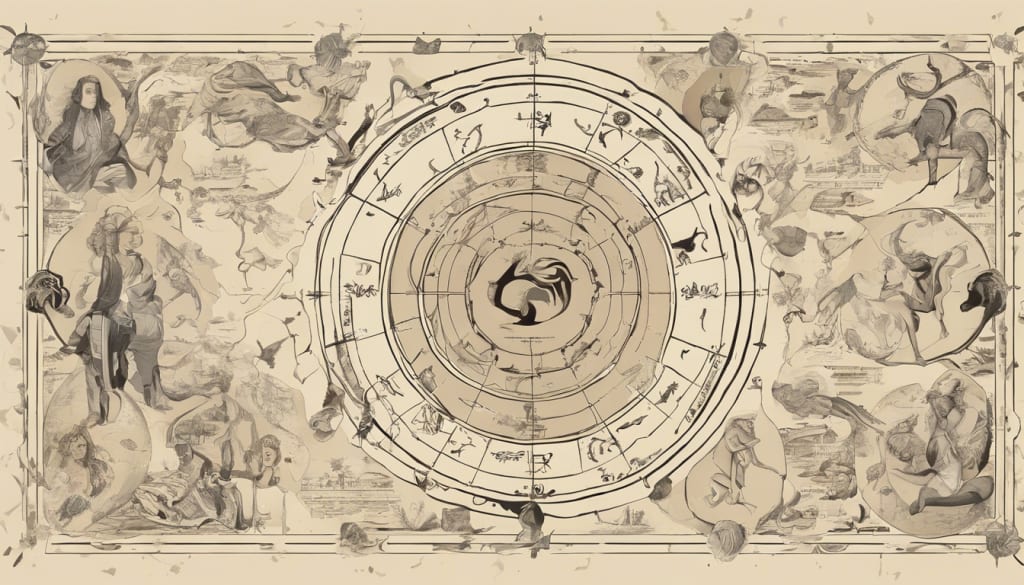
In an age where the pursuit of understanding oneself transcends mere introspection, zodiac signs and astrology have emerged as popular mediums for seeking guidance and insights into personality, relationships, and life events. The fascination with zodiac signs dates back to ancient civilizations, yet today, it permeates social media feeds, daily horoscopes, and casual conversations, indicating a sustained interest and belief in the influence of celestial bodies on human affairs. This surge in popularity raises a critical question: Do zodiac signs hold any truth, or are they merely a product of human imagination and wishful thinking?
This article delves into the realms of astrology and astronomy to untangle the difference between these often-confused disciplines, providing a comprehensive exploration of the scientific backing, or lack thereof, behind astrology. Further sections will explore the historical context of astrology, its modern interpretations and usage, and the psychological impact these celestial narratives have on individuals. Through this exploration, the article aims to offer readers a grounded understanding of zodiac signs, constellations, and their place in contemporary culture and personal belief systems, shedding light on whether there's a factual basis to horoscopes and divination practices associated with the star signs.
Click here to learn more about yourself!
The Popularity of Astrology
Astrology has recently seen a resurgence in popularity, particularly among millennial women, who utilize it to navigate relationship compatibility, friendship dynamics, and significant life decisions [4][7]. This interest is not confined to personal use; it extends into the wellness industry, where the concept of self-care aligns closely with astrological practices. The #selfcareohyeah movement, which emphasizes physical, mental, and spiritual health, correlates with a growing fascination with astrology as a tool for personal understanding and wellness [4][7].
Historically, astrology has been a part of human culture since the 2nd millennium BC, originating from Babylonian traditions. It was considered a scholarly subject up until the 17th century [4][7]. Despite the skepticism that has surrounded astrology, especially in scientific circles, a 2014 study by the National Science Foundation revealed that skepticism is on the decline. Notably, more than half of the young adults aged 18-24 view astrology as a scientific discipline [4][7].
The digital age has significantly contributed to this spike in interest. According to Google trends, online searches for both 'wellness' and 'horoscopes' have doubled in the UK since 2010. The beginning of each year, in particular, sees a peak in searches as individuals turn to online horoscopes to plan their year ahead [4][7].
Astrology provides a framework for individuals to explore their identities and life purposes, offering insights that many find lacking in other areas of life. When faced with uncertainty, individuals often seek external frameworks to make sense of their experiences. Astrology, along with other belief systems like religion, offers a sense of control and understanding. Statistically, women are more likely to believe in external influences such as fate, luck, or astrology guiding their lives, which supports the higher prevalence of belief in astrology among women compared to men [4][7].
Personal stories, like that of Kaelen Larocque, who believes her birth date significantly influences her personality and life choices, underscore the deep personal connection some feel towards astrology. Such beliefs reinforce the notion that celestial bodies directly impact human lives, enhancing self-awareness and strengthening interpersonal relationships [6][9].
Overall, the blend of historical reverence, modern-day relevance, and the human desire for self-understanding and control contributes to the enduring popularity of astrology. Its integration into the wellness and self-care industry only serves to amplify its appeal and accessibility, making it a continually relevant tool for personal exploration and guidance.
Astrology vs. Astronomy: Understanding the Difference
The Historical Split and Modern Definitions
Astronomy and astrology, though sharing historical roots, have diverged significantly over the centuries. Astronomy is now defined as the scientific study of celestial objects, space, and the physical universe as a whole [11][14]. This discipline relies heavily on physics, mathematics, and chemistry to explain phenomena outside Earth's atmosphere, including the study of planets, stars, galaxies, and the cosmos [15].
Astrology, on the other hand, is categorized as a pseudoscience, where practitioners believe the positions and movements of celestial bodies can directly influence human affairs and terrestrial events [15]. Historically, astrology was considered a scholarly tradition and was common in academic circles. It was not until the late 1600s, with scientific advancements by figures like Isaac Newton, that astrology and astronomy parted ways [11][14]. Newton's laws of motion and universal gravitation demystified many celestial phenomena, laying the groundwork for astronomy to develop as a rigorous science [11].
Contemporary Understanding and Practice
In contemporary times, astronomy uses the scientific method to make predictions and verify them through observation and rigorous testing [12][15]. Astronomers utilize advanced technologies such as telescopes and satellites to observe the universe and gather data, which is then analyzed within the framework of physics [15].
Contrastingly, astrology provides horoscopes and predictions based on the zodiac system, which assigns human characteristics based on celestial positions at the time of birth [12][15]. Despite the lack of scientific backing, astrology remains popular, integrating into daily life and culture through mediums like newspapers, magazines, and online platforms [14]. This popularity persists even though the methods used are not scientifically validated, and the predictions are not subject to empirical testing [12][14].
Cultural Impact and Acceptance
The enduring appeal of astrology can be partly attributed to its role in offering personal insights and guidance. While it is dismissed by the scientific community, many individuals find value in the reflective aspects of astrology, much like other forms of introspection and spirituality [14]. The practice provides a narrative to help individuals understand their personalities, make decisions, and relate to others on a psychological level [14].
Click here to learn more about yourself!
In summary, while astronomy is recognized as a legitimate scientific discipline, astrology remains a culturally significant practice that continues to be embraced by many for its personal and introspective value, despite its lack of scientific foundation [12][15].
The Science Behind Astrology
Pseudo-science Label
Astrology is often categorized as a pseudoscience because it lacks the empirical evidence and methodological rigor found in the true scientific disciplines [16][17][18][19][20][21][22][23][24]. Philosophers like Karl Popper and Paul Thagard have critiqued astrology based on its failure to adhere to the falsifiability principle, which is a key criterion for scientific validity. Popper highlighted that astrology has not been adjusted or improved in response to contradictory evidence [17][19][22]. Thagard further argued that astrology remains a pseudoscience because it has not progressed despite numerous falsification attempts [23].
Studies and Experiments
Numerous studies and experiments have been conducted to test the validity of astrological claims. One notable experiment involved astrologers who were asked to match birth charts to personal profiles, resulting in no significant success beyond what random chance would dictate [16][18][19][20][21][22][23][24]. These findings are supported by a comprehensive meta-analysis which pooled results from 40 different studies involving 700 astrologists and over 1,000 birth charts, further confirming the lack of empirical support for astrology [17][19][22].
Scientific Community's Stance
The scientific community largely rejects astrology as it does not demonstrate any scientific validity or explanatory power for describing the universe [16][17][18][19][20][21][22][23][24]. Studies have consistently shown that astrological predictions do not hold up under scientific scrutiny, and the proposed mechanisms of how celestial bodies influence human events contradict established principles of physics and biology [16][17][18][19][20][21][22][23][24]. Despite its historical presence and cultural significance, astrology's lack of consistency, inability to predict missing planets, and disconnection from the actual positions of constellations further contribute to its dismissal as a scientific discipline [22].
Historical Context of Astrology
Origins in Ancient Civilizations
Astrology's foundations were laid in ancient Mesopotamia around the 3rd millennium BC, where it was closely linked with astronomy. This early form of astrology spread to India and evolved significantly in Greek civilization during the Hellenistic period [28][25]. In ancient China, astrology was integral to imperial decision-making, with horoscopes cast for newborns and at critical life moments [28][25]. The practice entered Islamic culture through Greek traditions and was later reintroduced to European culture via Arabic learning during the Middle Ages [28][25].
In Babylonia, astrologers meticulously observed celestial movements, believing these could forecast earthly and human events. This observation laid the groundwork for the zodiac and the division of the sky into twelve sections, each linked to a specific constellation [29][30]. Similarly, in ancient Egypt, the stars played a crucial role in agriculture and religion, with the rising of Sirius predicting the Nile's flooding, essential for agriculture [29].
Evolution Over Time
The development of astrology was significantly influenced by the Greeks and Romans. The 2nd century CE saw the systematization of astrological knowledge by scholars like Claudius Ptolemy, whose works solidified horoscopes' role in astrology [29]. During the Middle Ages, despite religious scrutiny, astrology thrived, especially in the Arabic world, where scholars like Al-Kindi and Al-Biruni advanced astrological knowledge, later transmitting it back to Europe [29].
The Renaissance reignited interest in astrology among prominent figures like Johannes Kepler and Galileo Galilei, who practiced both astronomy and astrology, viewing the cosmos as profoundly influential on human affairs [29]. Astrology's integration into various cultures continued with its adaptation in India through interactions with Hellenistic cultures, leading to the development of Vedic astrology [30]. In China, astrology evolved independently, focusing on a zodiac system tied closely to Chinese philosophy and the yin and yang concept [30].
This historical journey highlights how astrology has been both a reflection of and an influence on the cultures it touched, adapting and evolving in response to changing knowledge and societal needs [27][26].
Modern Interpretations and Usage
Horoscopes in Media
The adaptation of horoscopes into modern media has significantly transformed their accessibility and appeal. With the rise of digital platforms, astrology has seamlessly integrated into everyday media consumption. For instance, Vice's Snapchat Discover channel features daily horoscopes that have become its most-read content, suggesting a robust demand for astrological guidance in engaging formats [31]. Similarly, New York Magazine's The Cut introduced AstroloGIFs in 2014, blending traditional horoscope readings with relatable GIFs, enhancing the interactive experience and shareability of astrological predictions [31].
Refinery29 has taken a unique approach by partnering with Revlon for a monthly Love Forecast, combining astrological insights with beauty tips tailored to each zodiac sign, thereby enriching the user experience with personalized content that resonates on multiple levels [31]. These modern adaptations highlight how media outlets are innovating to keep astrology relevant and appealing, particularly among younger audiences who seek dynamic and visually captivating content.
Astrology Apps and Websites
The digital age has ushered in a new era for astrology through the development of sophisticated apps and websites. These platforms offer detailed astrological analyses far beyond the generic horoscopes found in newspapers. For example, apps like 'Co-Star' and 'The Pattern' utilize advanced algorithms and data from NASA to provide users with personalized astrological readings based on their specific birth details [32][35]. 'The Pattern' not only delivers in-depth insights but also allows users to explore potential compatibility with others, adding a social dimension to the astrological experience [36].
Click here to learn more about yourself!
Astrology's presence on social media platforms like Instagram and TikTok has also expanded its reach and influence. Influencers and meme creators specializing in astrology attract followers in the tens of thousands, indicating a strong and growing interest in zodiac-based content [32]. This trend is supported by the significant engagement seen under astrology-related hashtags, which accumulate billions of views, showcasing the widespread popularity and engagement with astrological content [32].
In conclusion, the modern usage of astrology through various media forms and digital platforms illustrates its evolving nature and enduring appeal. As technology advances, so too does the accessibility and sophistication of astrological practices, making it an integral part of contemporary culture and personal exploration [32][35][36].
Psychological Impact of Astrology
Astrology's influence on individuals extends beyond mere entertainment or curiosity. It has a profound psychological impact, shaped by phenomena such as the placebo effect and confirmation bias. These effects explain why people continue to seek guidance from horoscopes and astrology, despite the lack of empirical evidence supporting its claims.
Placebo Effect
The placebo effect is a psychological phenomenon where belief in the efficacy of a treatment or intervention, even if it has no therapeutic value, can lead to perceived or actual improvements in physical or mental health [39]. In the context of astrology, when individuals read their horoscopes and believe in positive predictions, they may subconsciously adjust their behavior or mindset in ways that make those predictions more likely to come true. For instance, a horoscope suggesting that someone will have a successful day might encourage them to approach tasks with more confidence and determination, ultimately influencing their performance positively [39]. This effect underscores the power of belief and expectation in shaping our experiences and outcomes.
Confirmation Bias
Confirmation bias plays a crucial role in the psychological impact of astrology. This cognitive bias leads individuals to seek out, interpret, and remember information in a way that confirms their pre-existing beliefs and expectations [40][41]. For example, if someone believes they are a typical Libra, they might focus on and remember instances that align with Libra traits while ignoring or forgetting experiences that contradict this self-image [41].
Astrology thrives on this bias, as horoscopes often provide vague and general statements that individuals can interpret in a manner that confirms their beliefs about themselves and their lives. This selective attention and interpretation reinforce the belief in astrology's accuracy and relevance [37][38]. Moreover, confirmation bias can influence how individuals interact with and perceive the world around them, shaping their decisions, relationships, and self-concept based on astrological interpretations [40][41].
Click here to learn more about yourself!
The psychological impact of astrology, driven by the placebo effect and confirmation bias, highlights the complex interplay between belief, perception, and behavior. While astrology may not have a scientific basis, its influence on individuals' psychological processes is undeniable, offering insights into the human tendency to find meaning and guidance in the stars [37][38][39][40][41].
Conclusion
Throughout this exploration, we've journeyed from the ancient origins of astrology to its modern interpretations and uses, unearthing the reasons behind its sustained popularity and cultural significance despite the lack of scientific backing. The discourse on astrology versus astronomy, the psychological impacts of astrological beliefs, and the pervasive nature of zodiac signs in digital media underscore a human inclination towards seeking understanding and meaning in the cosmos. While the scientific community may dismiss astrology as a pseudoscience, its role in providing personal insights, guidance, and a framework for self-exploration cannot be overlooked, illustrating the complex interplay between belief, culture, and the search for existential meaning.
As we reflect on astrology's place in both historical and contemporary contexts, it's clear that its allure stems not just from a quest for predictive insight but also from its profound impact on our psychological processes. Astrology offers a unique lens through which we can examine ourselves and our relationships with the world and others. For those intrigued by the insights astrology can provide into their personalities and life choices, exploring your zodiac sign could be a fascinating endeavor. Click here to learn more about yourself! Whether you approach astrology with skepticism or an open mind, its enduring presence in human culture invites us to consider the ways in which the stars might still guide us, if only through the stories we choose to believe.
FAQs
Is There Scientific Evidence Supporting Zodiac Signs?
Answer: Astrology suggests that the positions of stars and planets at the time of birth can influence individuals' lives beyond mere weather patterns. However, this notion lacks scientific credibility. Extensive research has consistently shown that there is no scientific basis for the belief that astronomical bodies can impact personal lives based on one's birth date.
Can Zodiac Signs Predict Personality Traits?
Answer: Analysis of data has found no evidence to support the claim that zodiac signs can predict personality traits. The astrological assertion that individuals can be categorized by their zodiac sign (such as Sagittarius, Taurus, Cancer, Scorpio) has been debunked, showing no correlation between zodiac signs and specific personality characteristics.
Which Scientists Supported Astrology in the Past?
Answer: Historically, astrology and astronomy were closely linked, with notable figures like Galileo (1564-1642) and Johannes Kepler (1571-1630) practicing both. However, as our understanding of natural forces and the vast distances to stars and planets improved, astrology was relegated to the realm of pseudo-science, separating it from the empirical foundations of astronomy.
What Distinguishes Astronomy from Astrology in Scientific Terms?
Answer: Astronomy is a science that employs sophisticated tools such as telescopes and satellites to study celestial objects and phenomena. In contrast, astrology is a non-scientific practice that interprets the positions of stars and planets to make predictions about individuals' personalities or future events, lacking empirical evidence and scientific methodology.
References
[1] - https://sophiequi.com/blog/meaningful-signs-a-hero-journey-through-the-zodiac
[2] - https://www.parkwayschools.net/cms/lib/MO01931486/Centricity/Domain/1578/Zodiac_Signs.pdf
[3] - https://www.youtube.com/watch?v=Awl8PkjbyQQ
[4] - https://www.panmacmillan.com/blogs/lifestyle-wellbeing/the-popularity-of-astrology
[5] - https://www.bbc.com/worklife/article/20210205-why-astrology-is-so-popular-now
[6] - https://www.washingtonpost.com/lifestyle/2023/06/13/astrology-millennials-gen-z-science/
[7] - https://www.panmacmillan.com/blogs/lifestyle-wellbeing/the-popularity-of-astrology
[8] - https://www.bbc.com/worklife/article/20210205-why-astrology-is-so-popular-now
[9] - https://www.washingtonpost.com/lifestyle/2023/06/13/astrology-millennials-gen-z-science/
[10] - https://aas.org/faq/whats-difference-between-astronomy-and-astrology
[11] - https://skyandtelescope.org/astronomy-resources/whats-difference-astrology-vs-astronomy/
[12] - https://www.dictionary.com/e/astronomy-vs-astrology/
[13] - https://aas.org/faq/whats-difference-between-astronomy-and-astrology
[14] - https://skyandtelescope.org/astronomy-resources/whats-difference-astrology-vs-astronomy/
[15] - https://www.dictionary.com/e/astronomy-vs-astrology/
[16] - https://ua.pressbooks.pub/pseudoscienceessays/chapter/a-misleading-theory-the-pseudoscience-behind-astrology/
[17] - https://en.wikipedia.org/wiki/Astrology_and_science
[18] - https://www.mcgill.ca/oss/article/pseudoscience/how-astrology-escaped-pull-science
[19] - https://en.wikipedia.org/wiki/Astrology_and_science
[20] - https://www.scientificamerican.com/article/is-astrology-real-heres-what-science-says/
[21] - https://www.quora.com/Is-there-any-evidence-that-supports-the-effectiveness-of-astrology-either-historically-or-scientifically-If-so-what-is-it
[22] - https://en.wikipedia.org/wiki/Astrology_and_science
[23] - https://www.mcgill.ca/oss/article/pseudoscience/how-astrology-escaped-pull-science
[24] - https://undsci.berkeley.edu/astrology-is-it-scientific/
[25] - https://www.britannica.com/summary/astrology
[26] - https://en.wikipedia.org/wiki/History_of_astrology
[27] - https://oxfordre.com/planetaryscience/display/10.1093/acrefore/9780190647926.001.0001/acrefore-9780190647926-e-46
[28] - https://www.britannica.com/summary/astrology
[29] - https://medium.com/@astropush.digital/the-history-and-evolution-of-astrology-fea259618d13
[30] - https://www.quora.com/How-has-astrology-evolved-over-time-and-what-are-some-emerging-trends-or-changes-in-the-field
[31] - https://www.cjr.org/analysis/horoscopes_astrology.php
[32] - https://www.linkedin.com/pulse/astrology-digital-age-cosmic-tool-self-discovery-contentbiztoday-nljdf
[33] - https://www.washingtonpost.com/lifestyle/2023/06/13/astrology-millennials-gen-z-science/
[34] - https://www.shondaland.com/live/a46443050/what-is-the-impact-of-artificial-intelligence-on-astrology/
[35] - https://www.quora.com/Does-a-horoscope-website-and-application-play-with-peoples-minds-or-is-it-anything-real
[36] - https://english.elpais.com/society/2023-05-04/when-the-stars-manifest-through-your-phone-the-boom-of-astrology-apps.html
[37] - https://www.medscape.com/viewarticle/956015
[38] - https://www.quora.com/Is-astrology-like-a-placebo-to-fulfill-curiosity
[39] - https://www.menshealth.com/uk/mental-strength/a31284347/benefits-of-horoscopes/
[40] - https://ogilvy.medium.com/why-you-believe-in-horoscopes-understanding-user-experience-bias-778f5dfb9487
[41] - https://www.nytimes.com/roomfordebate/2015/12/22/what-is-the-appeal-of-astrology/the-trap-of-confirmation-bias
[42] - https://www.reddit.com/r/astrologymemes/comments/105i7b9/what_are_peoples_thoughts_on_confirmation_bias/
[43] - https://www.quora.com/How-is-astrology-a-science-and-conclude-it-as-its-not-a-science-but-a-pseudoscience
[44] - https://en.wikipedia.org/wiki/Astrology_and_science
[45] - https://timesofindia.indiatimes.com/readersblog/authorsanjayspeaks/exploring-the-relationship-between-astrology-and-science-can-they-coexist-49292/
About the Creator
Enjoyed the story? Support the Creator.
Subscribe for free to receive all their stories in your feed.
Comments
There are no comments for this story
Be the first to respond and start the conversation.