
Everything You Need to Know About FRCR: A Comprehensive Guide
FRCR Course

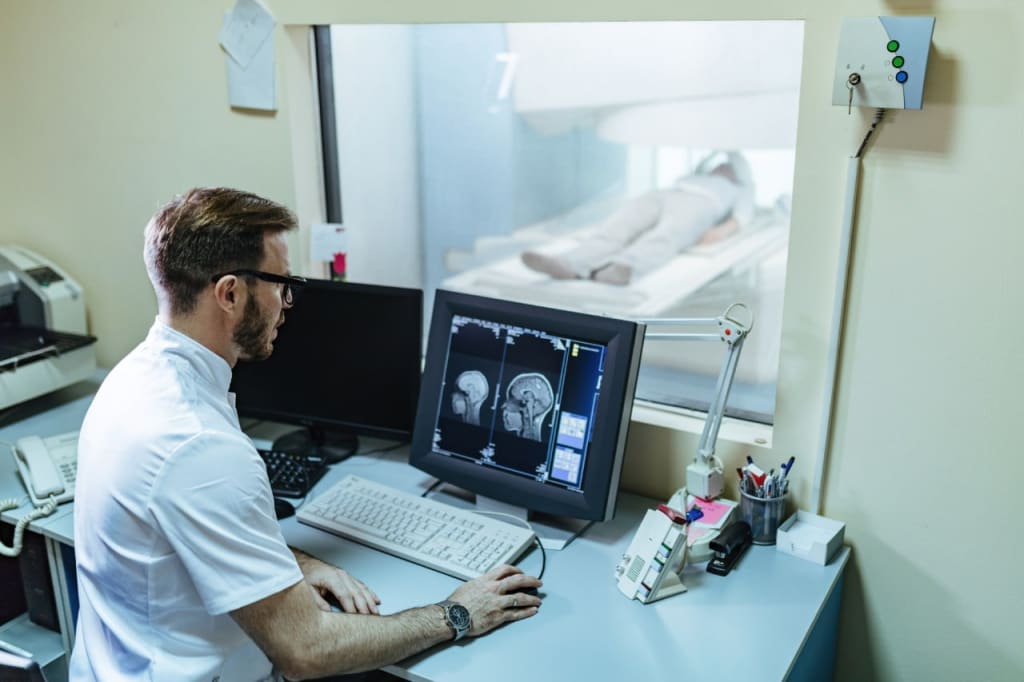
The Fellowship of the Royal College of Radiologists (FRCR) is a prestigious qualification offered by the Royal College of Radiologists (RCR) in the United Kingdom. Recognized globally, the FRCR certification serves as a benchmark of excellence in radiology. If you are an aspiring or practicing radiologist, obtaining the FRCR qualification can be a significant milestone in your career, enabling you to practice in regions where the UK’s medical education standards are highly regarded.
This guide provides a detailed overview of FRCR, including its structure, eligibility criteria, syllabus, application process, and effective preparation strategies.
What is FRCR?
The FRCR qualification assesses a candidate’s knowledge, skill, and competence in radiology. The exam is divided into three parts, each focusing on different aspects of radiological practice, theoretical knowledge, and practical expertise. Successfully completing the FRCR examination enhances a radiologist’s credibility and increases career opportunities worldwide.
Parts of FRCR Examination
The FRCR examination is structured into three progressive stages:
1. FRCR Part 1
This FRCR Part 1 stage establishes the foundational knowledge necessary for radiology practice. It consists of:
Anatomy: Evaluates a candidate’s understanding of radiological anatomy through imaging studies.
Physics: Assesses knowledge of the physical principles and techniques involved in imaging, including X-ray production, image formation, and radiation safety.
2. FRCR Part 2A
This FRCR Part 2A written examination evaluates a candidate’s understanding of clinical radiology. It covers six key modules:
Cardiothoracic and Vascular Radiology
Musculoskeletal and Trauma Radiology
Gastrointestinal Radiology
Genitourinary and Adrenal Radiology
Neuroradiology and Head & Neck Radiology
Paediatric Radiology
3. FRCR Part 2B
This is the clinical component of the examination, assessing practical skills in image interpretation and communication. It comprises:
Rapid Reporting: Reporting 30 plain film cases within 35 minutes.
Long Cases: Interpretation of six complex cases within 75 minutes.
Oral Examination: Two 30-minute sessions evaluating clinical reasoning and communication skills.
Eligibility Criteria for FRCR
To apply for the FRCR examination, candidates must meet specific eligibility criteria:
Medical Qualification: A valid primary medical qualification (e.g., MBBS or equivalent) is required.
Training Requirements: For Part 2B, candidates must have completed at least 24 months of supervised clinical radiology training.
GMC Registration: While General Medical Council (GMC) registration is not required to take the exam, it is often necessary for employment as a radiologist in the UK.
How to Prepare for the FRCR Examination
Success in the FRCR examination requires a structured and disciplined approach. Here are key strategies to help you prepare:
1. Understand the Exam Format
Familiarize yourself with the structure and syllabus of each part of the FRCR examination to tailor a focused study plan.
2. Develop a Study Plan
Break the syllabus into manageable sections and allocate specific timeframes for each module. Ensure sufficient revision time for better retention.
3. Use High-Quality Study Resources
Leverage a mix of textbooks, online courses, and mock exams to solidify your understanding. Highly recommended resources include:
Textbooks on radiological anatomy and physics
Online courses and video lectures
Mock exams simulating real exam conditions
4. Regular Practice
Consistent practice is essential, especially for FRCR Part 2B. Develop a systematic approach to interpreting radiological images and formulating structured reports.
5. Join Study Groups
Engaging with fellow candidates allows knowledge-sharing, discussion of complex topics, and collaborative problem-solving.
6. Attend Courses and Workshops
Participating in preparatory FRCR courses organized by the RCR or institutions like StudyFRCR provides expert guidance and opportunities for doubt resolution.
Application Process for FRCR
1. Registration
Create an account on the RCR’s official website and provide accurate personal and professional details.
2. Submit Required Documents
Candidates need to upload:
Proof of medical qualification
Evidence of radiology training (if applicable)
A passport-sized photograph
3. Payment
Pay the examination fee via the RCR portal. The fee varies based on the exam part and chosen location.
4. Submission
Submit the application before the deadline. Late applications are not accepted.
Important FRCR Exam Dates
The FRCR exams are conducted multiple times a year:
FRCR Part 1: March and September
FRCR Part 2A: March and September
FRCR Part 2B: May and November
Check the RCR website regularly for updated schedules and deadlines.
Booking the FRCR Examination
To book your FRCR exam:
Log in to Your RCR Account: Access the RCR website.
Select the Exam: Choose the relevant FRCR part.
Choose a Venue: Select an available exam center.
Complete Payment: Securely pay the exam fee.
Receive Confirmation: Get an email confirmation with exam details.
Why FRCR Matters for Your Career
Earning the FRCR certification opens doors to prestigious opportunities in radiology. It enhances credibility, ensures global recognition, and enables practitioners to work in healthcare systems that value UK medical education standards.
Conclusion
The FRCR qualification is a critical step in a radiologist’s professional journey. Its rigorous structure ensures that candidates are well-prepared for the challenges of clinical radiology. Institutions like StudyFRCR provide expert mentorship, live sessions, and mock tests to help candidates succeed. If you aspire to practice radiology in the UK and beyond, StudyFRCR is your ideal preparation partner.
For more information on FRCR training programs, feel free to contact our team today.
About the Creator
study medic777
StudyMEDIC - Delivering Medical Education Beyond Boundaries
Enjoyed the story? Support the Creator.
Subscribe for free to receive all their stories in your feed.
Comments