
Everest ,Manslu ,Annapurna circuit: Trekking the Legendary Path of Heroes:
Everest ,Manslu ,Annapurna circuit: Trekking the Legendary Path of Heroes
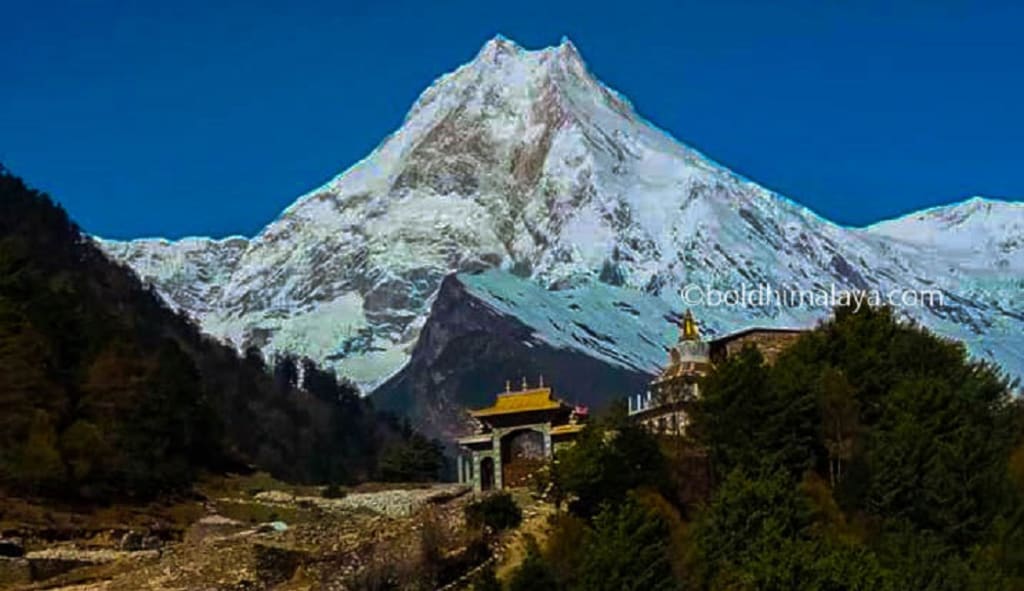
Nepal, home to eight of the world’s fourteen most noteworthy peaks, is a touring heaven that calls globe- trotters from all corners of the globe. Its rough geographies, dazing Himalayan swell, and fat social heritage make it a pail- list thing for pedestrians. Among the valuable touring courses in Nepal, three trails stand out for their intriguing charm and greatness: the Everest Base Camp trek, the Annapurna Circuit trek, and the Manaslu Circuit trek. Each of these treks offers a special view into the excellence, challenges, and culture of Nepal, whereas all share one thing in common — the admiration- inspiring nearness of the forceful Himalayas.
Everest Base Camp journey A journey to the World's Roof
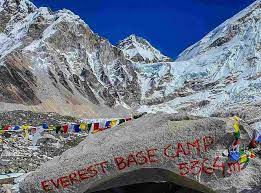
The Everest Base Camp Trek is Nepal's most notorious trip. It's further than a fair journey; it's a journey to the bottom of the world’s most noteworthy top, Mount Everest( 8,848.86 measures).Beginning with an invigorating flight into Lukla, the door to the Khumbu region, the trek submerges travelers in a world of towering peaks, dynamic Sherpa culture, and unmatched mountain vistas.
The path winds through curious towns like Namche Bazaar, the bustling heart of the Khumbu region. Known as the "Sherpa Capital," Namche is a dynamic center of trekkers, guides, and local people. The acclimatization days here are a favor, permitting time to investigate adjacent perspectives such as Syangboche and learn about Sherpa traditions.
As the path climbs, trekkers are rewarded with awe-inspiring views of peaks like Ama Dablam, Lhotse, and Nuptse. The otherworldly quintessence of the region is substantial, with cloisters like Tengboche advertising quiet minutes in the midst of the greatness. The last stretch to Everest Base Camp (5,364 meters) is challenging but profoundly satisfying. Standing at the base of the world's tallest mountain is a moment that reverberates with each trekker's soul, a memory carved forever.
The Everest Base Camp trek is not fair around the mountains; it’s about interfacing with a way of life that flourishes in one of the planet's harshest situations. The warmth of the Sherpa individuals, their versatility, and their wealthy Buddhist conventions take off a permanent stamp on each traveler.
The Annapurna Circuit trek An exaggerated Artwork of Diversity
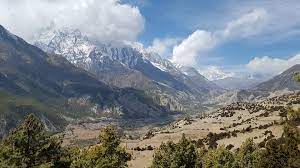
While the Everest Base Camp trek is nearly chasing the world’s most elevated top, the Annapurna Circuit Trek offers a completely different enterprise. Regularly indicated as the “ classic trek, ” this course is notorious for its diversity — in scenes, climates, and societies.
Gauging around 160 to 230 kilometers( depending on the morning and finishing focuses), the Annapurna Circuit takes pedestrians through lavish tropical woods, terraced spreads, snow- limited knolls, and stark, waterless scenes evocative of Tibet. The path encompasses the Annapurna Massif, flashing glowing swells of peaks like Annapurna I( 8,091 measures), Dhaulagiri( 8,167 measures), and Machapuchare( 6,993 measures), also known as the “ Fishtail Mountain. ”
The trek starts in the wetlands of Besisahar and steadily rises through municipalities like Chamje, Manang, and Pisang.Each settlement gives a window into the social abundance of the region, with impacts from Hinduism, Buddhism, and Tibetan conventions. Manang, in specific, is a favorite among trekkers for acclimatization, much obliged to its beautiful setting and openings for brief hikes.
Crossing this tall pass is a test of physical perseverance and mental flexibility. Be that as it may, the reward—a clearing view of the snow-covered Annapurna extends and the dry Kali Gandaki Valley—is worth each step.
As the path plummets, trekkers are welcomed by the otherworldly town of Muktinath, an imperative trek location for Hindus and Buddhists alike. The travel proceeds through the apple plantations of Marpha and closes in Tatopani, where normal hot springs give a relieving finale to an exceptional adventure.
The Manaslu Circuit trek: A Covered-up Gem
For those looking for a less swarmed and more inaccessible trekking encounter, the Manaslu Circuit Trek is a perfect choice. This path encompasses Mount Manaslu (8,163 meters), the world’s eighth-highest peak, and offers an off-the-beaten-path experience that rivals the more prevalent trekking courses in Nepal.
The Manaslu Circuit trek starts in Soti Khola, a little town available from Kathmandu. The path takes after the Budhi Gandaki Waterway, winding through thick timberlands, terraced areas, and conventional towns. As you climb, the view changes into an emotional, snow capped scene ruled by towering peaks and cold valleys.
One of the special viewpoints of this trek is the social encounter it offers. The region is home to the Nubri and Tsum ethnic bunches, who have protected their Tibetan-inspired conventions for centuries. Towns like Samagaon and Samdo give impressions into their way of life, with old cloisters, main dividers, and supplication banners contributing to the otherworldly atmosphere.
The trek’s tallest point is the Larkya La Pass, standing at 5,106 meters. The climb to the pass is challenging, with frosty ways and lean discussion testing indeed prepared trekkers. In any case, the view from the top — a display of peaks like Himlung Himal, Cheo Himal, and Kang Guru is an outlook that leaves pedestrians speechless.
Unlike the busier Everest and Annapurna regions, the Manaslu Circuit trek remains relatively untouched, permitting pedestrians to submerge themselves in the insulation and quietness of the Himalayas. The path closes in Dharapani, where it interfaces with the Annapurna Circuit, giving a consistent move for those who wish to amplify their travel.
Preparing for Your Himalayan Adventure
Touring in the Himalayas is a formerly- by-a-lifetime involvement, but it requires conservative planning. Then are a many tips to offer backing to you to make the utmost of your trek
Physical Wellness All three treks — Everest Base Camp, Annapurna Circuit, and Manaslu Circuit — involve long hours of tromping at altitudinous heights. It’s fundamental to construct your stamina and continuance through standard cardio and quality training.
Acclimatization: Height ailment is a common concern in the Himalayas. Take time to acclimatize amid your trek, and tune in to your body. Hydrate well and maintain a strategic distance from hurrying to higher altitudes.
Gear and Hardware: Contribute to quality trekking adapt, counting durable boots, warm clothing, and a great resting pack. A dependable rucksack and trekking posts are moreover essential.
Permits and Guides: Depending on your chosen trek, you may require licenses such as the TIMS (Trekkers’ Data Administration Framework) card and uncommon zone grants. Contracting an authorized director or doorman can improve your trekking encounter and bolster the neighborhood economy.
The stylish seasons for touring in Nepal are spring( April to May) and crop time( September to November), when the climate is steady and the skies are clear.
Embracing the Himalayan Spirit
Trekking through Nepal’s grand Himalayas is more than a fair experience; it’s a trek of self-discovery and association with nature. The towering peaks, quiet scenes, and warm neighborliness of the neighborhood communities make an involvement that remains with you long after you’ve returned home.
Whether you select the famous Everest Base Camp trek, the differing Annapurna Circuit trek, or the off-the-beaten-path Manaslu Circuit trek, each path offers its own interesting charm and challenges.
Best Time to trek in the Himalayas
The perfect seasons for trekking in Nepal are spring (March to May) and harvest time (September to November). Amid these months, the climate is, for the most part, steady, with clear skies and direct temperatures. The spring season is especially lovely, as the rhododendron timberlands are in full blossom, adding dynamic colors to the trails. Harvest time offers the best perceivability, with fresh discussion and dazzling mountain views.
Nepal offers a few of the most notorious trekking encounters in the world, with the Everest Base Camp, Annapurna Circuit, and Langtang Valley treks each boasting one-of-a-kind scenes, social abundance, and exciting undertakings. Here’s how to get ready and what makes these treks special.
Tips for Preparing
Physical Wellness: Start preparing months ahead with cardio, quality, and perseverance exercises.
Gear: Contribute in quality trekking boots, layers for changing climate, and a durable backpack.
Permits: Get required licenses such as the TIMS card and preservation zone permits.
Acclimatization: Arrange rest days to alter height and maintain a strategic distance from Intense Mountain Affliction (AMS).
Guide and Doorman: Consider contracting a direct route and a watchman to help your load.
Unique Features
Everest Base Camp Trekking to the base of the world’s most elevated mountain, you’ll substantiate grand peaks, the Khumbu Icy Mass, and Sherpa culture. Highlights incorporate the Tengboche Cloister and each- encompassing views from Kala Patthar.
Annapurna Circuit Eminent for its differing rates, this trek takes you through lavish woods, terraced areas, and high- altitude comeuppance. The Thorong La Pass( 5,416 m) is a grueling but fulfilling corner.
Langtang Valley: A shorter, less-crowded trek that offers dazzling views of Langtang Lirung, yak pastures, and antiquated Buddhist religious communities. It’s perfect for those looking for peaceful scenes and social immersion.
Conclusion
A trip through Nepal’s magnificent Himalayas is further than fair; it’s a transformative hassle that remains with you long after you’ve returned home. Whether you’re standing at the bottom of Everest, crossing the Thorong La Pass on the Annapurna Circuit, or drinking in the tranquility of the Langtang Valley, each nanosecond in the Himalayas is an update of the nobility and control of nature.
The Everest Base Camp trek, the Annapurna Circuit trek, and the Langtang Valley trek each offer intriguing enterprises that feed to different interfaces and situations of hassle. Together, they parade the unimaginably differing rates of Nepal’s scenes and societies, making the nation a heaven for pedestrians and explorers.
So, pack your packs, bind up your thrills, and set out on a trek that will challenge your soul, fascinate your faculties, and take off your craving for further. Nepal’s Himalayas are calling, and the enterprise of a continuance awaits.
FAQs
How long does the trek take?
generally 12- 14 days.
What's the best time to go?
Spring( March- May) and crop time( September- November).
Do I require earlier trekking experience?
No, but great wellness is required.
Is height ailment a concern?
Yes, acclimatization days are essential.
Are licenses required?
Yes, TIMS and Sagarmatha National Stop permits.
How long is the trek?
12-18 days, depending on the route.
What is the most elevated point?
Thorong La Pass at 5,416 meters.
Can apprentices do the trek?
Yes, with planning and direct fitness.
Is it a teahouse trek?
Yes, with a bounty of convenience options.
When is the best season?
Spring (March-May) and harvest time (September-November).
How many days does it take?
14-17 days.
Is a direct mandatory?
Yes, a direct and at least two trekkers are required.
Booking Handle by Strong Himalaya:
Booking Process by Bold Himalaya:
To book any of these treks tours through Bold Himalaya a multinational adventure travel company, begin by contacting them via email at [email protected] or phone or WhatsApp at +977 984-9615880
to discuss your preferred dates, group size, and specific needs. Prior to the trek, you will receive a comprehensive pre-trek briefing with essential information on packing, fitness preparation, and altitude acclimatization. The agency will finalize all logistical arrangements, including transportation, accommodation, and permits, to ensure everything is in place for your journey. Upon arrival in Nepal, the team will ensure that all aspects of the trek are organized, providing you with a smooth and unforgettable experience on these treks.
About the Creator
Enjoyed the story? Support the Creator.
Subscribe for free to receive all their stories in your feed.
Comments
There are no comments for this story
Be the first to respond and start the conversation.