
Event Lighting Design That Brings Style, Safety, and Meaning Together
Thoughtful lighting that makes events beautiful, safe, and easy to enjoy.
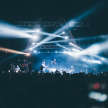

Event lighting design plays a major role in how people experience an event. It affects the mood, the movement, the photos, and the way guests connect with the space. A room with the right light can feel warm, elegant, exciting, calm, or dramatic. A room with poor light can feel confusing, unsafe, or unfinished.
Lighting should never be treated as a final decoration. It should be part of the event plan from the beginning. The best lighting choices support the reason for the event. They help guests know where to go, what to look at, and how to feel. They also protect people by making key areas clear and easy to use.
Good event lighting design is a balance between beauty and safety. It should make the event look special without hiding steps, exits, paths, cables, signs, or other important details. When this balance is done well, guests may not notice every light. They will simply feel comfortable, focused, and cared for.
Know the Event Story
Every event has a story. A wedding tells a story of love and celebration. A business event may tell a story of growth, trust, or new ideas. A concert tells a story through energy and performance. A fundraiser may tell a story of hope and support.
Lighting should help tell that story. Before any fixtures are placed, the team should decide what the event should feel like. Should it feel soft and personal? Should it feel bold and modern? Should it feel formal, fun, relaxed, or high-energy?
This early choice guides the whole event lighting design. It affects color, brightness, placement, and timing. It also helps stop the design from feeling random. Each lighting choice should match the event’s purpose.
A clear story makes the space feel more complete. Guests can sense when the room, program, and design all work together.
Plan the Guest Journey
Guests move through an event in stages. They arrive, check in, enter the main space, find seats, visit food areas, watch key moments, and leave at the end. Lighting should support each part of this journey.
The entrance should be easy to see. Guests should know where to walk and where to stop first. Check-in tables need enough light for names, tickets, phones, or badges. Main paths should be clear, especially in dark rooms, tents, gardens, or large venues.
Event lighting design can guide guests in a natural way. A soft glow can lead people toward the main room. A brighter pool of light can show a welcome desk. Accent lights can point out signs, displays, or branded areas.
When guests can move without confusion, the event feels smoother. Good lighting reduces stress before the program even begins.
Make Safety Look Natural
Safety does not need to feel cold or plain. It can be part of the design. The key is to place light where people need it most.
Stairs, ramps, walkways, exits, restrooms, parking areas, aisles, and service paths should be easy to see. Guests should not have to guess where the floor changes. They should not step into shadows near cables, furniture, or uneven ground.
This matters even more for outdoor events. Grass, stone, gravel, curbs, tent poles, and temporary floors can create trip risks. Lighting should show these areas clearly.
A safe event lighting design uses steady light in high-risk places. It can still use warm tones, soft fixtures, or hidden sources. The goal is to protect guests while keeping the event style strong.
Set the Right Brightness Level
Brightness can change the whole event mood. Too much light can make a dinner feel harsh. Too little light can make guests strain their eyes. The right level depends on the space and the activity.
Dining areas need enough light for guests to see food and faces. Stages need stronger light so speakers and performers are clear. Bars, buffets, and registration areas need practical light for staff and guests. Lounges and dance floors may use softer or more colorful light.
Event lighting design should not use one brightness level for the whole venue. Different zones need different levels. This keeps the space useful and attractive.
Brightness should also change during the event. Arrival may need clear light. Dinner may need a warm glow. Speeches may need focused stage light. Dancing may need color and movement. These changes help the event feel alive.
Use Color With Intention
Color is one of the easiest ways to create mood. Warm amber can feel elegant and welcoming. Soft white can feel clean and timeless. Blue can feel calm and modern. Purple can feel creative. Bright colors can bring energy to a party or show.
Still, color can cause problems when it is used without care. Deep blue or red light can make food look strange. Strong color can make faces look unnatural. Heavy color in walkways can hide steps or floor edges.
A thoughtful event lighting design uses color where it adds value. Color can highlight walls, stage backdrops, floral displays, brand areas, or dance floors. Softer light should often stay in places where guests eat, read, talk, or walk.
Color should support the event, not take over the room. When it is balanced, it makes the space feel polished and clear.
Highlight What Matters Most
Lighting helps guests know where to look. This is important during speeches, awards, performances, ceremonies, product reveals, and special dances. A well-lit focal point gives the event structure.
The main area should stand out from the rest of the room. This can be done with a soft spotlight, a stage wash, or brighter front lighting. Faces should be easy to see. Guests should be able to follow expressions and movement without strain.
Photos and videos also depend on good lighting. If the main subject is too dark, cameras may lose detail. If the light is too harsh, faces may look washed out. If the color is too strong, skin tones may look odd.
Purposeful event lighting design helps important moments feel clear, beautiful, and worth remembering.
Control Shadows and Glare
Shadows and glare can weaken even the best design. Glare happens when a light shines into a guest’s eyes or reflects off shiny surfaces. It can make people squint, look away, or feel uncomfortable.
Shadows can hide risks. A dark area near a stair, cable, table edge, or doorway can create danger. Shadows can also make decor or people look less attractive in photos.
The lighting team should test the space from many points of view. They should sit at guest tables, stand at the stage, walk through aisles, and check the camera angles. This can reveal glare, uneven light, and hidden dark spots.
Simple fixes can improve the result. A light can be raised, softened, moved, or aimed in a better direction. A small fill light can make a dark corner safer.
Test Every Area Before Guests Arrive
A final walkthrough helps confirm that the design works in real life. Plans can look good on paper, but the venue may reveal issues after setup. Furniture, decor, screens, cables, and natural light can all affect the final look.
The team should check every area guests will use. This includes entrances, walkways, seating, stages, bars, food stations, restrooms, outdoor paths, exits, and parking zones. They should also review the lighting for each part of the schedule.
This test should answer simple questions. Can guests see where to go? Are exits clear? Are steps visible? Is any light too bright? Are signs easy to read? Does the stage look clear? Are cables protected and visible?
A strong event lighting design is not only creative. It is checked, adjusted, and ready before the event begins.
Event lighting design brings together art and care. It shapes the look of the space, but it also protects the people inside it. The best lighting choices create mood, guide movement, support key moments, and reduce risk.
When lighting has purpose, the event feels more professional and more welcoming. Guests can enjoy the beauty of the space without feeling lost or unsafe. They can focus on the people, the program, and the memories being made.
That is the true power of thoughtful lighting. It does not only make an event look better. It helps the whole experience feel safer, smoother, and more meaningful.
About the Creator
Brian Casella
Brian Casella is an event lighting designer and property owner who blends creativity with business across the Northeast through design and real estate work.
Portfolio: https://briancasella.com/
Enjoyed the story? Support the Creator.
Subscribe for free to receive all their stories in your feed.
Comments