
Establishing Safety Ratings: Ensuring Logistics Safety and Compliance
Imagine navigating a vast network of highways, ports, and warehouses without a GPS —everything’s chaotic, uncertain, and prone to missteps. That’s what logistics operations would resemble without robust safety ratings
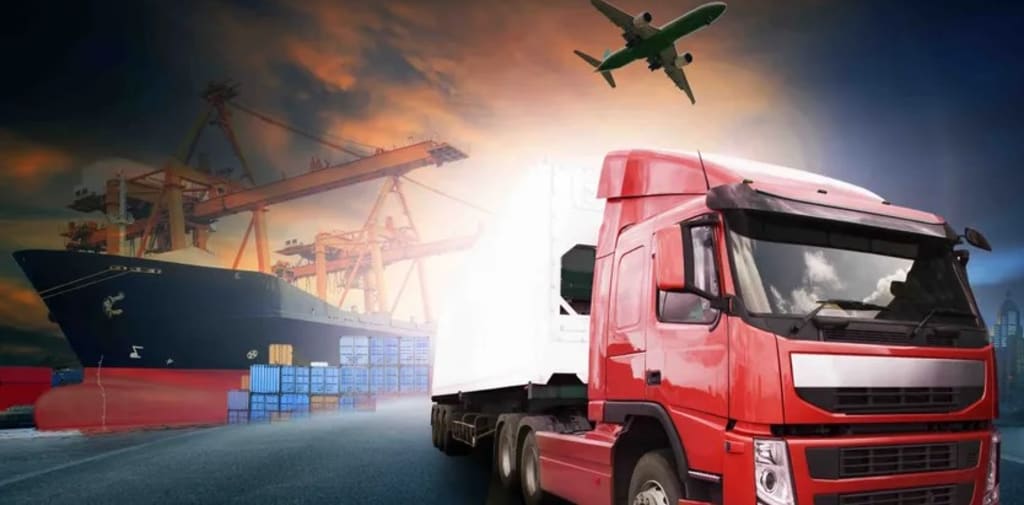
In an industry where goods traverse continents and risks lurk at every turn —from road accidents to cargo theft and regulatory pitfalls —logistics safety serves as the guiding compass, ensuring smooth and secure operations amidst complexity.
Safety ratings, akin to the GPS of risk management, not only map out vulnerabilities but also chart a clear course toward efficiency, compliance, and operational security. These ratings are more than just numbers; they embody an organization’s commitment to upholding safety standards, fostering trust among stakeholders, and maintaining an unbroken supply chain.
In this blog, we delve into the transformative role of safety ratings in logistics risk management, unpack their core elements, and explore how they empower businesses to navigate challenges while maintaining a competitive edge in an ever-evolving industry.
What is Logistics Safety?
Logistics safety encompasses all the measures and practices designed to ensure the secure and efficient movement of goods while protecting personnel, infrastructure, and the environment. It involves identifying, assessing, and mitigating risks across all stages of the supply chain, from procurement and storage to transportation and delivery. Logistics safety not only aims to prevent accidents but also ensures compliance with regulatory requirements and enhances operational efficiency.
The logistics sector is the backbone of global trade, ensuring goods move efficiently from manufacturers to consumers. However, this efficiency is often vulnerable to disruptions caused by risks such as accidents, theft, environmental hazards, and regulatory non-compliance. These risks not only lead to financial losses but can also erode trust and reputational capital if left unaddressed.
The Importance of Logistics Safety: Why is it Critical?
Minimized Operational Disruptions: Safety protocols reduce the likelihood of accidents, mechanical failures, and unforeseen incidents, ensuring smooth operations. For instance, effective route planning and driver training can significantly lower the chances of road accidents that might halt delivery schedules.
Enhanced Reputation and Trust: Organizations with a strong emphasis on logistics safety are often viewed as reliable and professional by clients and stakeholders. Demonstrating a proactive approach to safety fosters long-term partnerships and customer loyalty.
Regulatory Compliance: Non-compliance with local and international safety regulations can result in hefty fines, legal actions, and even the suspension of operations. A commitment to logistics safety ensures adherence to these requirements, maintaining seamless business operations.
Cost Efficiency: While investing in safety measures may seem like an added expense, it prevents larger financial burdens associated with accidents, damaged goods, and legal penalties.
In a sector where time and precision are critical, prioritizing logistics and risk management enables organizations to build resilient supply chains and ensure that goods are delivered reliably and securely.
Understanding Safety Ratings in Logistics
Safety ratings are a critical benchmark used to quantify an organization's adherence to established safety standards. These ratings provide a structured and transparent assessment of how well a company implements logistics and risk management protocols.
By using consistent and measurable metrics, safety ratings help organizations identify strengths, pinpoint vulnerabilities, and maintain high operational standards.
Key Aspects Evaluated in Safety Ratings:
Driver Performance: Safe driving is essential to minimizing accidents and ensuring timely delivery. Monitoring adherence to speed limits, fatigue management, and compliance with work-hour regulations contributes significantly to safety ratings. Telematics systems are often employed to track driver behavior and provide feedback for continuous improvement.
Vehicle Maintenance: Well-maintained vehicles are less prone to breakdowns and accidents. Regular inspections, timely servicing, and adherence to maintenance schedules ensure vehicle reliability, which is factored into safety ratings. Poor vehicle upkeep can not only jeopardize safety but also lead to regulatory violations.
Cargo Handling: Proper loading, unloading, and securing of goods are crucial for safety. Mishandling cargo can result in damage, loss, or accidents during transit. Implementing standardized procedures and using appropriate equipment reduces such risks and enhances ratings.
Regulatory Compliance: Logistics companies operate under stringent safety and environmental regulations. Safety ratings reflect an organization’s ability to meet these requirements consistently, including adherence to guidelines on hazardous materials, vehicle emissions, and employee safety standards.
By offering a clear picture of safety performance, ratings enable organizations to compare themselves with industry benchmarks, build trust with clients, and create actionable plans for improvement. With safety ratings becoming a standard requirement in many markets, their importance in logistics risk management cannot be overstated.
Key Benefits of Safety Ratings
Safety ratings serve as a cornerstone for ensuring robust logistics operations by offering measurable insights into safety performance. Their benefits extend beyond compliance, impacting logistics and risk management, operational efficiency, and competitive positioning. Here’s a detailed look at the key advantages of maintaining strong safety ratings.
Benefit
Description
Impact
Risk Mitigation
Safety ratings identify and address potential risks through data-driven assessments of metrics like driver behavior, vehicle conditions, and operational protocols. Proactive measures prevent accidents, incidents, and operational failures.
Reduced financial losses, fewer operational disruptions, and a safer work environment for all stakeholders.
Improved Efficiency
Prioritizing logistics safety streamlines processes by identifying bottlenecks, improving compliance protocols, and preventing delays caused by accidents or safety violations.
Timely deliveries, reduced downtime, and smoother supply chain operations, ultimately leading to cost savings and better resource utilization.
Enhanced Competitive Advantage
High safety ratings demonstrate reliability, professionalism, and adherence to industry best practices. This enhances trust with clients, attracts new partnerships, and increases insurance company confidence.
Increased customer retention, better partnership opportunities, and lower insurance premiums due to reduced risk perception.
Regulatory Alignment
Many jurisdictions require safety ratings to ensure compliance with local and international laws. Aligning with these standards helps companies avoid legal penalties and operational roadblocks.
Seamless cross-border operations, adherence to environmental and safety standards, and avoidance of fines or legal complications.
Steps to Establish Effective Safety Ratings
1. Define Clear Metrics: Establish what will be measured, such as accident rates, compliance violations, or vehicle downtimes. Clear metrics ensure consistent evaluations.
2. Leverage Technology: Tools like GPS tracking, telematics, and AI-powered risk assessment systems can provide real-time insights into logistics safety metrics. These technologies make monitoring and data collection more efficient and accurate.
3. Conduct Regular Training: Investing in training programs for drivers and logistics staff fosters a culture of safety. Periodic workshops and certifications keep employees updated on the latest safety protocols and compliance requirements.
4. Perform Routine Audits: Regular safety audits ensure that policies are being followed and that corrective measures are implemented promptly.
5. Engage Stakeholders: Safety is a shared responsibility. Collaborate with drivers, warehouse staff, and other stakeholders to identify risks and develop effective solutions.
Challenges in Implementing Safety Ratings
Despite the numerous benefits, implementing safety ratings can pose challenges, including:
- Cost of Implementation: Establishing a safety rating system requires investments in technology, training, and audits.
- Resistance to Change: Employees and stakeholders may resist new protocols or technologies.
- Data Accuracy: Incomplete or inaccurate data can undermine the reliability of safety ratings.
- Evolving Regulations: Keeping up with changing safety standards and compliance requirements can be resource-intensive.
The Future of Logistics Safety Ratings
The role of safety ratings in logistics risk management is set to expand. Emerging technologies, such as blockchain and IoT, are poised to revolutionize how data is collected, stored, and analyzed. These advancements will provide even greater transparency and efficiency in establishing and maintaining safety ratings.
Additionally, collaboration between governments, industry bodies, and logistics companies will drive the standardization of safety rating systems, ensuring universal benchmarks that are recognized and trusted across the globe.
Conclusion
Safety ratings are indispensable in achieving logistics safety and compliance. They provide a framework for assessing and improving logistics and risk management practices, fostering trust and reliability in the supply chain. By prioritizing safety ratings, logistics companies can mitigate risks, enhance efficiency, and gain a competitive edge in a challenging and ever-evolving industry.
Embracing safety ratings isn’t just about compliance—it’s about building a resilient, sustainable, and trusted logistics ecosystem. For organizations looking to thrive in today’s complex logistics landscape, establishing robust safety ratings is not just an option; it’s a necessity. for more information visit website - cholamandalam ms risk services ltd
About the Creator
Enjoyed the story? Support the Creator.
Subscribe for free to receive all their stories in your feed.
Comments
There are no comments for this story
Be the first to respond and start the conversation.