
Essential Emotional Intelligence Skills for Leadership Success in 2026
Master the Key Skills Leaders Need to Succeed Today

Leadership in 2026 demands more than strategic thinking and technical expertise. As organizations become more people-centered and globally connected, leaders must develop the ability to understand emotions, build trust, and guide teams through constant change. Emotional intelligence has become one of the most valuable skill sets for leaders who want to succeed in this evolving environment.
The modern workplace requires leaders to manage not only tasks and performance but also relationships, expectations, and well-being. Emotional intelligence provides the foundation for effectively handling these responsibilities. Leaders who develop these skills are better equipped to inspire their teams, make sound decisions, and create positive organizational cultures.
Self-awareness is the ability to recognize and understand one’s own emotions, behaviors, and thought patterns. Leaders who possess strong self-awareness can identify how their actions affect others and adjust their approach when needed. This awareness is essential for maintaining authenticity and consistency in leadership.
In 2026, self-awareness is especially important in high-pressure environments where quick decisions are required. Leaders who understand their emotional triggers can avoid reacting impulsively and instead respond with clarity. This builds credibility and trust, allowing team members to feel confident in their leadership.
Emotional regulation refers to the ability to manage emotions in a controlled and constructive way. Leaders who can regulate their emotions remain calm and composed even in challenging situations. This stability is crucial for maintaining focus and ensuring that decisions are made logically.
As workplaces continue to face uncertainty and rapid change, emotional regulation helps leaders maintain balance. It allows them to navigate difficult conversations, manage stress effectively, and create a sense of stability for their teams. This skill is essential for building resilience in both leaders and organizations.
Empathy is the ability to understand and share others' feelings. It is one of the most important emotional intelligence skills for leaders because it strengthens relationships and fosters trust. Leaders who demonstrate empathy show that they value their team members as individuals.
In diverse and inclusive workplaces, empathy plays a critical role. Leaders who can appreciate different perspectives are better equipped to address the unique needs of their teams. This leads to higher levels of engagement, improved morale, and a stronger sense of belonging within the organization.
Communication is a fundamental aspect of leadership, and emotional intelligence significantly enhances this skill. Emotionally aware leaders can express their ideas clearly while also being sensitive to others' emotions. This creates more meaningful and productive interactions.
Active listening is a key component of effective communication. Leaders who listen carefully to their team members can better understand their concerns and ideas. This encourages open dialogue and fosters a culture of transparency, both of which are essential to collaboration and innovation.
Strong relationships are at the heart of successful leadership. Emotional intelligence helps leaders build and maintain these relationships by promoting trust, respect, and understanding. Leaders who excel in relationship management can create cohesive, high-performing teams.
In 2026, team dynamics are influenced by factors such as remote work and cultural diversity. Leaders who use emotional intelligence to manage these dynamics can strengthen team connections and improve collaboration. This results in better performance and a more positive work environment.
Adaptability is a critical leadership skill in today’s fast-changing world. Emotional intelligence enables leaders to remain flexible and open-minded when facing new challenges. It allows them to adjust their strategies and approaches based on the situation.
In 2026, leaders must navigate technological advancements, shifting market conditions, and evolving workforce expectations. Emotional intelligence helps them respond to these changes with confidence and clarity. This adaptability ensures that organizations can continue to grow and succeed.
Conflict is a natural part of any workplace, but how it is managed can significantly impact team performance. Leaders with strong emotional intelligence can handle conflicts constructively by understanding the emotions involved and addressing them effectively.
In challenging situations, emotionally intelligent leaders remain calm and objective. They listen to all perspectives and work toward solutions that benefit everyone involved. This approach reduces tension and helps maintain positive relationships within the team.
Decision-making is one of the most important responsibilities of a leader. Emotional intelligence improves this process by helping leaders consider both logical and emotional factors. This leads to more balanced and thoughtful decisions.
In 2026, leaders are expected to make decisions that align with both organizational goals and employee well-being. Emotional intelligence allows them to achieve this balance by understanding the potential impact of their choices. This results in better outcomes and increased trust among team members.
Organizational culture is shaped by leadership behavior, and emotional intelligence plays a key role in creating a positive environment. Leaders who demonstrate empathy, respect, and transparency set the tone for the entire organization.
In modern workplaces, a strong culture is essential for attracting and retaining talent. Leaders who use emotional intelligence to foster a supportive environment can improve employee satisfaction and engagement. This contributes to long-term success and organizational growth.
Emotional intelligence is not a fixed ability. It can be developed and strengthened over time through practice and learning. Leaders who invest in their emotional growth are better prepared to meet the demands of modern leadership.
Organizations are increasingly offering training and development programs focused on emotional intelligence. By participating in these programs, leaders can enhance their skills and stay competitive. Continuous improvement ensures that emotional intelligence remains a core strength in leadership.
About the Creator
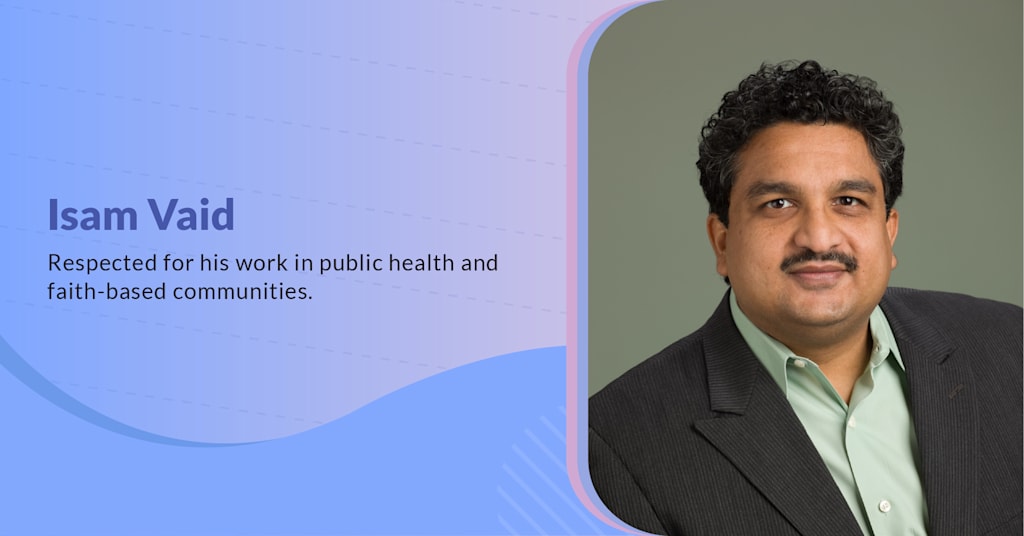
Isam Vaid
Dr. Isam Vaid is a respected public health scientist who has focused on chronic disease, health disparities, and interfaith community building for over 15 years.
Portfolio: https://isamvaidga.com/
Enjoyed the story? Support the Creator.
Subscribe for free to receive all their stories in your feed.
Comments