
Essential Cyber Security Services to Prevent Data Breaches
These proactive measures not only safeguard business data but also foster customer trust and ensure regulatory compliance.
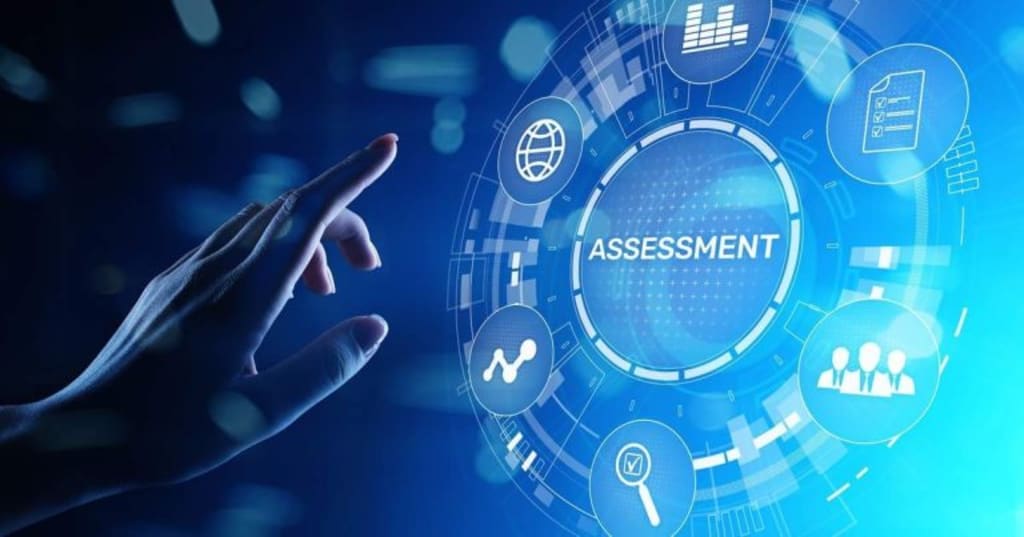
In this digital world, data breaches have become a growing concern for businesses of all sizes. With cyber threats evolving rapidly, organizations must take proactive measures to secure their sensitive information. From small startups to large corporations, cyber security services play a critical role in protecting digital assets, maintaining customer trust, and ensuring compliance with data protection regulations.
A cyber security expert understands that no business is completely immune to cyberattacks. However, with the right security measures in place, the risk of data breaches can be significantly minimized. This article explores the essential cyber security services that businesses should implement to safeguard their networks, systems, and sensitive data.
1. Risk Assessment and Security Audits
One of the first steps in preventing data breaches is conducting a comprehensive risk assessment. A cyber security expert evaluates an organization’s existing security infrastructure, identifies vulnerabilities, and provides recommendations for improvement.
Security audits involve:
- Identifying weak points in the network, software, or hardware
- Assessing compliance with industry regulations such as GDPR, HIPAA, or PCI DSS
- Simulating cyberattacks to test the strength of current defenses
- Recommending upgrades to security policies and technologies
By regularly conducting security audits, businesses can stay ahead of potential threats and ensure their security measures remain effective against evolving cyber risks.
2. Endpoint Security Solutions
With employees accessing company data from various devices, securing endpoints—such as desktops, laptops, smartphones, and tablets—is essential. Cyber security services offer endpoint protection solutions to prevent malware infections, phishing attacks, and unauthorized access.
Some key endpoint security measures include:
- Antivirus and anti-malware software to detect and remove threats
- Firewalls to block unauthorized network traffic
- Device encryption to protect data in case of theft or loss
- Multi-factor authentication (MFA) for additional login security
By implementing robust endpoint security, businesses can ensure that their employees’ devices do not become entry points for cybercriminals.
3. Network Security and Firewalls
A secure network is the foundation of an organization’s cyber defense strategy. Cybercriminals often exploit weak network security to launch attacks such as ransomware, denial-of-service (DoS), and data exfiltration.
Professional cyber security services include:
- Next-generation firewalls (NGFWs) that provide advanced traffic monitoring
- Intrusion Detection and Prevention Systems (IDPS) to detect malicious activity
- Virtual Private Networks (VPNs) for secure remote access
- Secure Wi-Fi networks with strong encryption protocols
A cyber security expert ensures that an organization’s network remains protected against unauthorized access and potential security breaches.
4. Data Encryption and Secure Storage
One of the most effective ways to prevent unauthorized access to sensitive information is through data encryption. Encrypted data is unreadable without the correct decryption key, making it nearly impossible for hackers to misuse stolen information.
Key encryption strategies include:
- End-to-end encryption (E2EE) for secure communication
- Database encryption to protect stored customer and business data
- Cloud security measures to ensure data safety on cloud platforms
- Secure file transfers using encrypted connections (SSL/TLS)
By integrating data encryption into their security strategy, organizations can protect sensitive information from being exploited in the event of a breach.
5. Identity and Access Management (IAM)
Controlling access to sensitive data is essential in preventing breaches caused by insider threats or credential theft. Cyber security services offer Identity and Access Management (IAM) solutions that regulate user permissions based on their role within an organization.
IAM solutions include:
- Multi-Factor Authentication (MFA) for an extra layer of security
- Single Sign-On (SSO) to simplify access management
- Role-Based Access Control (RBAC) to limit data access to authorized personnel
- Privileged Access Management (PAM) to secure admin accounts
A cyber security expert can customize IAM policies to ensure that employees only have access to the data they need, reducing the risk of accidental or intentional data leaks.
6. Security Awareness Training
Human error is one of the leading causes of data breaches. Even the most advanced cyber security services cannot fully protect a business if employees do not follow best security practices. That’s why security awareness training is a crucial component of any cybersecurity strategy.
Effective security training includes:
- Recognizing phishing emails and other social engineering attacks
- Following password security best practices
- Avoiding unsecured public Wi-Fi for business activities
- Understanding the importance of software updates and patching
By educating employees on cybersecurity risks, businesses can reduce the likelihood of human-related security breaches.
7. Incident Response and Disaster Recovery
Despite the best security measures, cyberattacks can still occur. A well-prepared organization has a solid incident response and disaster recovery plan to minimize damage and restore operations quickly.
Cyber security services help businesses create:
- Incident response plans outlining the steps to take after a breach
- Data backup solutions to prevent data loss
- Disaster recovery strategies for restoring critical systems
- Forensic analysis to investigate breaches and improve future defenses
A cyber security expert ensures that businesses can recover swiftly from cyber incidents without significant downtime or financial loss.
8. Compliance and Regulatory Security Services
Many industries, such as finance, healthcare, and e-commerce, must adhere to strict data protection laws. Failure to comply with these regulations can result in heavy fines and reputational damage.
Cyber security services assist businesses in:
- Meeting compliance standards such as GDPR, HIPAA, PCI DSS, and ISO 27001
- Conducting compliance audits to ensure ongoing adherence
- Implementing data privacy policies to protect customer information
- Providing documentation for regulatory reporting
A cyber security expert helps businesses navigate complex regulations while maintaining strong security practices.
Conclusion
In an era where cyber threats are more sophisticated than ever, businesses cannot afford to take cybersecurity lightly. Implementing essential cyber security services is the key to preventing data breaches and protecting sensitive information from falling into the wrong hands.
By working with a cyber security expert, organizations can develop a comprehensive security strategy that includes risk assessments, endpoint protection, network security, encryption, IAM solutions, employee training, and incident response planning. These proactive measures not only safeguard business data but also foster customer trust and ensure regulatory compliance.
Cybersecurity is not just an IT concern—it’s a business priority. Investing in cyber security services today can prevent costly data breaches tomorrow.
About the Creator
KA Cyber LLC
KA Cyber LLC, led by retired NYPD Sergeant Kelvin Alexander, is a trusted security firm specializing in cyber and operational security.
Enjoyed the story? Support the Creator.
Subscribe for free to receive all their stories in your feed.
Comments
There are no comments for this story
Be the first to respond and start the conversation.