
Ensuring Quality and Compliance with Pharma Machinery
Maintaining Excellence: Pharma Machinery Standards for Quality & Compliance
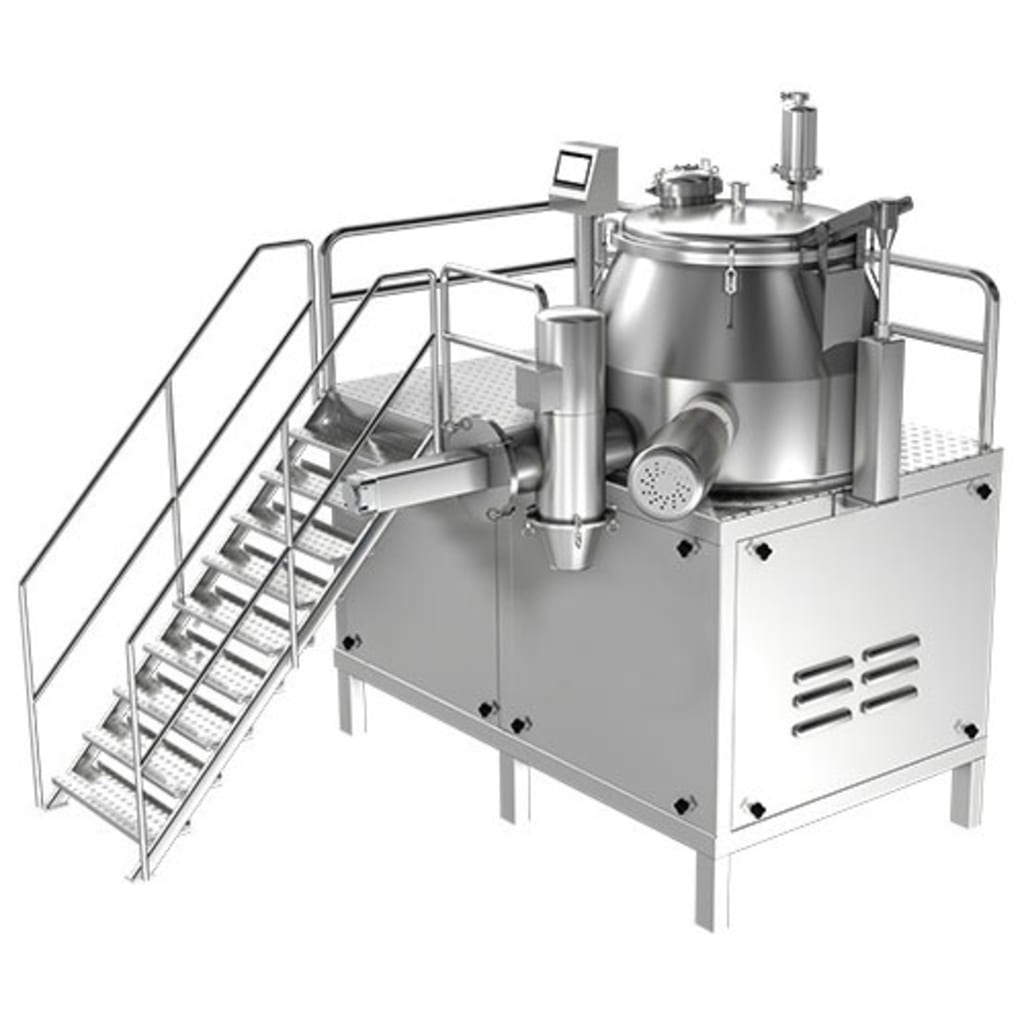
The pharmaceutical industry is one of the most highly regulated sectors, with stringent quality and compliance standards that ensure the safety and efficacy of drugs. Pharmaceutical machinery plays a crucial role in drug manufacturing, and ensuring quality and compliance in these machines is essential for maintaining high production standards. From tablet press machines to fluid bed dryers, each piece of equipment must meet industry standards such as Good Manufacturing Practices (GMP), FDA regulations, and ISO certifications. This article explores the key aspects of ensuring quality and compliance with pharma machinery.
Importance of Quality in Pharma Machinery
Quality in pharmaceutical machinery is vital because it directly impacts drug safety, production efficiency, and regulatory approvals. Poor-quality equipment can lead to contamination, dosage inconsistencies, and non-compliance with regulatory authorities. Ensuring high-quality machinery helps:
- Maintain product integrity
- Improve manufacturing efficiency
- Reduce downtime and maintenance costs
- Meet regulatory requirements
- Ensure patient safety
Compliance with Regulatory Standards
Pharmaceutical machinery must comply with multiple regulatory frameworks, including:
- Good Manufacturing Practices (GMP): Ensures that machinery is designed, maintained, and operated to produce safe and effective drugs.
- FDA Regulations: In the U.S., pharmaceutical manufacturers must comply with the Food and Drug Administration (FDA) regulations regarding equipment design, cleaning, and maintenance.
- European Medicines Agency (EMA): Ensures pharmaceutical equipment used in Europe meets strict regulatory standards.
- ISO Certifications: Such as ISO 9001 (Quality Management) and ISO 13485 (Medical Devices), which establish guidelines for maintaining quality standards in pharma machinery.
Key Aspects of Quality Assurance in Pharma Machinery
- Material Selection
Materials used in pharmaceutical machinery must be of high quality and comply with industry standards. Stainless steel (SS 304 and SS 316L) is commonly used due to its corrosion resistance, durability, and non-reactivity with pharmaceutical products. FDA-approved materials such as PTFE and UHMW are also used for components like valves and fittings.
2. Design and Engineering Standards
Pharma machinery must be designed with precision to ensure consistent operation. Features such as smooth surfaces, easy disassembly, and minimal dead space help prevent contamination and facilitate cleaning. Equipment must also be validated for its intended use, ensuring it meets performance criteria such as speed, pressure, and accuracy.
3. Validation and Qualification
Validation is a critical step in ensuring compliance. It involves:
- Design Qualification (DQ): Ensures the equipment is designed according to required specifications.
- Installation Qualification (IQ): Confirms that the machine is installed correctly and meets manufacturer specifications.
- Operational Qualification (OQ): Tests the machine's performance under operational conditions.
- Performance Qualification (PQ): Verifies that the machine consistently produces quality products.
4. Cleaning and Maintenance Protocols
Cleaning and maintenance of pharmaceutical machinery are crucial for preventing cross-contamination and ensuring longevity. Machines should be designed for easy cleaning and sterilization, and manufacturers must follow Standard Operating Procedures (SOPs) for maintenance. Regular inspections, lubrication, and part replacements ensure uninterrupted operation.
5. Automation and Industry 4.0 Integration
Automation in pharmaceutical machinery enhances precision, consistency, and efficiency. Technologies such as Programmable Logic Controllers (PLCs), Supervisory Control and Data Acquisition (SCADA) systems, and Artificial Intelligence (AI) optimize production processes. Industry 4.0 integration, including IoT-enabled sensors, real-time monitoring, and predictive maintenance, helps manufacturers maintain compliance and reduce errors.
Common Types of Pharma Machinery and Their Compliance Requirements
1. Tablet Press Machines
Tablet press machines must comply with GMP guidelines, ensuring that tablets are uniform in weight and dosage. Features like dust extraction systems, automatic rejection of faulty tablets, and in-process quality checks are essential for compliance.
2. Fluid Bed Dryers
These machines are used for drying pharmaceutical granules. Compliance involves ensuring proper airflow control, temperature monitoring, and dust containment to prevent cross-contamination.
3. Ampoule Filling Machines
For injectable drug manufacturing, ampoule filling machines must ensure precision in filling volume and sterility. Compliance with aseptic processing guidelines and validation of filling accuracy is crucial.
4. Ribbon Blenders and Mixing Vessels
These machines must ensure uniform mixing of powders and liquids. GMP compliance requires minimal dead spaces, easy cleaning, and high-efficiency mixing blades to prevent segregation.
5. Zero Hold Up Filter Press Machines
Used for filtration of pharmaceutical liquids, these machines must comply with cGMP and FDA standards. Proper sealing, filter integrity testing, and sterilization protocols are necessary for compliance.
Challenges in Ensuring Quality and Compliance
Despite strict regulations, pharmaceutical manufacturers face several challenges in maintaining quality and compliance:
- High Cost of Compliance: Meeting regulatory standards requires significant investment in high-quality machinery and validation processes.
- Evolving Regulatory Requirements: Frequent updates to guidelines require manufacturers to continuously upgrade their equipment and processes.
- Technological Advancements: Keeping up with Industry 4.0 innovations can be challenging for traditional manufacturing units.
- Training and Workforce Competency: Operators and maintenance personnel must be well-trained to ensure proper handling and compliance with SOPs.
Best Practices for Pharma Machinery Manufacturers
- Adopt a Risk-Based Approach: Identify critical control points in the manufacturing process and implement preventive measures.
- Invest in High-Quality Materials and Components: Using FDA-approved materials and precision-engineered parts ensures long-term compliance.
- Regular Audits and Inspections: Internal and external audits help identify gaps in compliance and take corrective actions.
- Implement Digital Documentation: Electronic batch records and automated data logging enhance traceability and compliance with regulatory requirements.
- Continuous Training Programs: Regular training for operators and quality control personnel ensures adherence to best practices and regulatory updates.
Ensuring quality and compliance in pharmaceutical machinery is vital for maintaining product safety, meeting regulatory standards, and improving operational efficiency. By focusing on material selection, engineering excellence, automation, validation, and regular maintenance, pharma manufacturers can achieve consistent quality and regulatory compliance. Embracing technological advancements and best practices will further enhance manufacturing efficiency, reduce risks, and ensure patient safety in the pharmaceutical industry.
About the Creator
JSK Engitech
At JSK Engitech Industries, we are driven by a commitment to excellence and a passion for engineering solutions that empower businesses to achieve optimal efficiency and productivity.
Enjoyed the story? Support the Creator.
Subscribe for free to receive all their stories in your feed.
Comments
There are no comments for this story
Be the first to respond and start the conversation.