
Enhancing Industrial Efficiency with Heat Resistant Conveyor Belts
High-Temperature Industrial Solutions
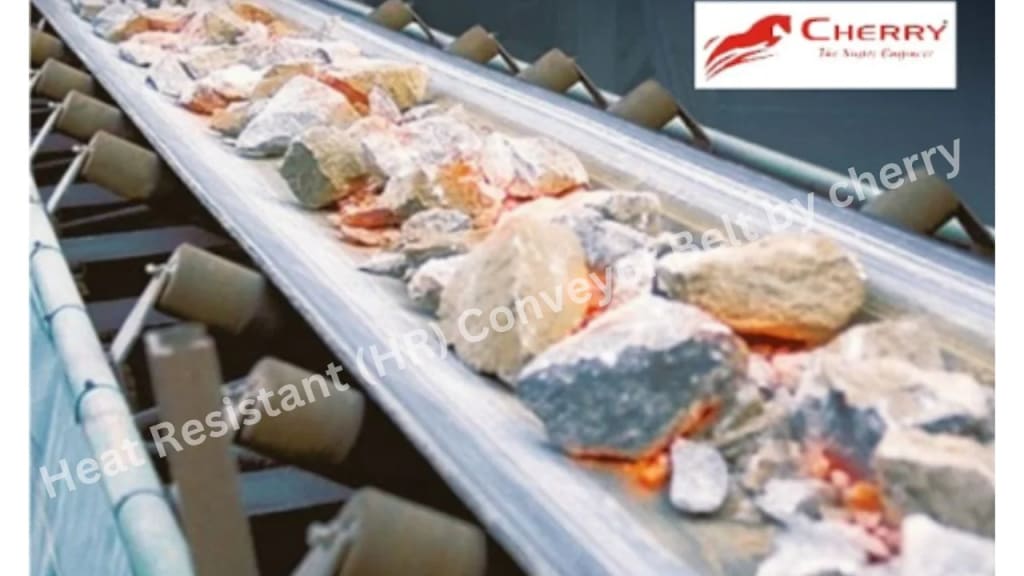
Introduction
In the world of industrial manufacturing, the efficiency and reliability of production processes are paramount. A key component in many industrial operations is the conveyor belt, responsible for the seamless transportation of materials across different stages of production. However, when these processes involve high temperatures, standard conveyor belts often fall short, leading to frequent maintenance, downtime, and increased operational costs. This is where Heat Resistant Conveyor Belts come into play, providing a robust solution that ensures uninterrupted operations even under extreme thermal conditions.
The Need for Heat Resistant Conveyor Belts
Industries such as steel manufacturing, cement production, and glass processing frequently deal with materials at extremely high temperatures. Standard conveyor belts, made from conventional rubber compounds, tend to degrade when exposed to these temperatures, leading to cracking, hardening, and eventual failure. The introduction of heat resistant conveyor belts addresses these challenges, offering a durable alternative that can withstand the rigors of high-temperature environments while maintaining structural integrity and performance.
Key Features of Heat Resistant Conveyor Belts
Heat resistant conveyor belts are designed with specific features that make them suitable for high-temperature applications:
Specialized Rubber Compound:
The rubber used in heat resistant conveyor belts is formulated to resist thermal degradation. This compound can withstand continuous temperatures ranging from 100°C to 200°C, and in some cases, even higher. This resistance ensures that the belt does not harden, crack, or lose its flexibility when exposed to heat.
2. Reinforced Construction:
To enhance strength and durability, heat resistant belts are often reinforced with layers of high-tensile fabric or steel cords. This reinforcement allows the belt to handle heavy loads and resist stretching, ensuring it remains reliable even in demanding conditions.
3. Protective Covers:
The top and bottom covers of heat resistant conveyor belts are also made from heat-resistant rubber, protecting the belt from surface wear, abrasion, and thermal damage. These covers help extend the life of the belt by shielding it from external stressors.
4. High Adhesion Levels:
The layers of the belt are bonded with a strong adhesion system that prevents delamination, even under the stress of high temperatures and heavy loads. This adhesion ensures the belt maintains its integrity throughout its operational life.
Benefits of Heat Resistant Conveyor Belts
Industries that adopt heat resistant conveyor belts can expect several significant benefits, which contribute to improved operational efficiency and reduced costs.
Extended Service Life:
The primary benefit of using heat resistant conveyor belts is their longevity. The specialized materials and construction techniques used in these belts ensure they can withstand prolonged exposure to high temperatures without significant wear, reducing the frequency of replacements and repairs.
2. Reduced Downtime:
Frequent conveyor belt failures can lead to costly downtime in production processes. Heat resistant belts minimize the risk of breakdowns, ensuring that operations continue smoothly, thereby improving overall productivity.
3. Lower Maintenance Costs:
With their enhanced durability, heat resistant conveyor belts require less frequent maintenance. This reduction in maintenance needs not only saves time but also lowers the associated labor and material costs, making them a cost-effective choice for high-temperature applications.
4. Improved Safety:
The reliability of heat resistant conveyor belts also contributes to a safer work environment. By reducing the risk of belt failure, these belts help prevent accidents and equipment damage that could occur due to sudden breakdowns in high-temperature conditions.
5. Versatility in Application:
Heat resistant conveyor belts are suitable for a wide range of industries and applications. Whether in steel production, cement plants, glass manufacturing, or chemical processing, these belts offer reliable performance across various high-temperature environments.
Applications of Heat Resistant Conveyor Belts
The versatility of heat resistant conveyor belts makes them suitable for numerous industries, each with its specific demands for high-temperature operations:
Steel Manufacturing:
Steel mills operate at high temperatures, especially during the handling of hot slabs, billets, and sintered ores. Heat resistant conveyor belts ensure that these materials are transported efficiently without compromising the belt's integrity.
2. Cement Production:
The cement industry requires the transportation of clinker, which can reach temperatures of up to 180°C. Heat resistant conveyor belts are essential for moving these hot materials through the production process, preventing damage to the conveyor system.
3. Glass Processing:
Glass manufacturing involves the handling of hot glass products, which can easily damage standard conveyor belts. Heat resistant belts offer the necessary durability to withstand these high temperatures, ensuring smooth and efficient operations.
4. Foundries:
Foundries produce and handle molten metals and other high-temperature materials. Heat resistant conveyor belts provide the resilience needed to transport these materials without suffering from thermal degradation.
5. Chemical Processing:
In the chemical industry, heat is often a byproduct of various processes. Heat resistant conveyor belts are used to transport chemicals and other materials within the plant, ensuring that the conveyor system remains functional and reliable.
Maintenance Tips for Heat Resistant Conveyor Belts
To maximize the benefits of heat resistant conveyor belts, it is essential to follow best practices for maintenance. Proper care can extend the life of the belt and ensure optimal performance in high-temperature environments:
Regular Inspections:
Conduct regular inspections to check for signs of wear, damage, or deterioration. Early detection of issues allows for timely repairs, preventing more severe problems down the line.
Proper Tensioning:
Ensure that the belt is correctly tensioned to prevent slippage and reduce stress on the belt. Over-tensioning can cause unnecessary strain, while under-tensioning can lead to inefficient operation and increased wear.
2. Alignment Checks:
Regularly check the alignment of the conveyor belt to ensure it runs smoothly without drifting. Misalignment can cause uneven wear and damage, reducing the belt's lifespan.
3. Temperature Monitoring:
Monitor the operating temperature of the conveyor system to ensure it remains within the belt's specified range. Excessive heat can accelerate wear and lead to premature belt failure.
4. Lubrication and Cleaning:
Proper lubrication of moving parts and regular cleaning of the conveyor system help reduce friction and prevent contamination, both of which can negatively impact the belt's performance.
5. Replacement of Worn Components:
Promptly replace any worn or damaged components, such as rollers or bearings, to maintain the smooth operation of the conveyor system and prevent further damage to the belt.
Conclusion
Heat resistant conveyor belts are an essential component for industries dealing with high-temperature operations. Their ability to withstand extreme heat without compromising performance makes them a reliable choice for various applications, from steel manufacturing to chemical processing. By investing in Heat Resistant Conveyor Belts from Cherry Belts, industries can enjoy the benefits of extended service life, reduced downtime, lower maintenance costs, and improved safety.
As industrial processes continue to evolve and demand higher efficiency, the role of specialized conveyor belts becomes increasingly important. Heat resistant conveyor belts offer the durability and resilience needed to meet these challenges, ensuring that production lines run smoothly and efficiently, even in the harshest conditions.
For industries seeking to enhance their operations and maintain a competitive edge, adopting heat resistant conveyor belts is a strategic move that delivers long-term value and reliability. With the right maintenance practices in place, these belts can provide years of trouble-free service, making them a wise investment for any high-temperature industrial application.
About the Creator
Enjoyed the story? Support the Creator.
Subscribe for free to receive all their stories in your feed.
Comments
There are no comments for this story
Be the first to respond and start the conversation.