
Egypt is a treasure trove of ancient history.
Egyptian food and must-see places
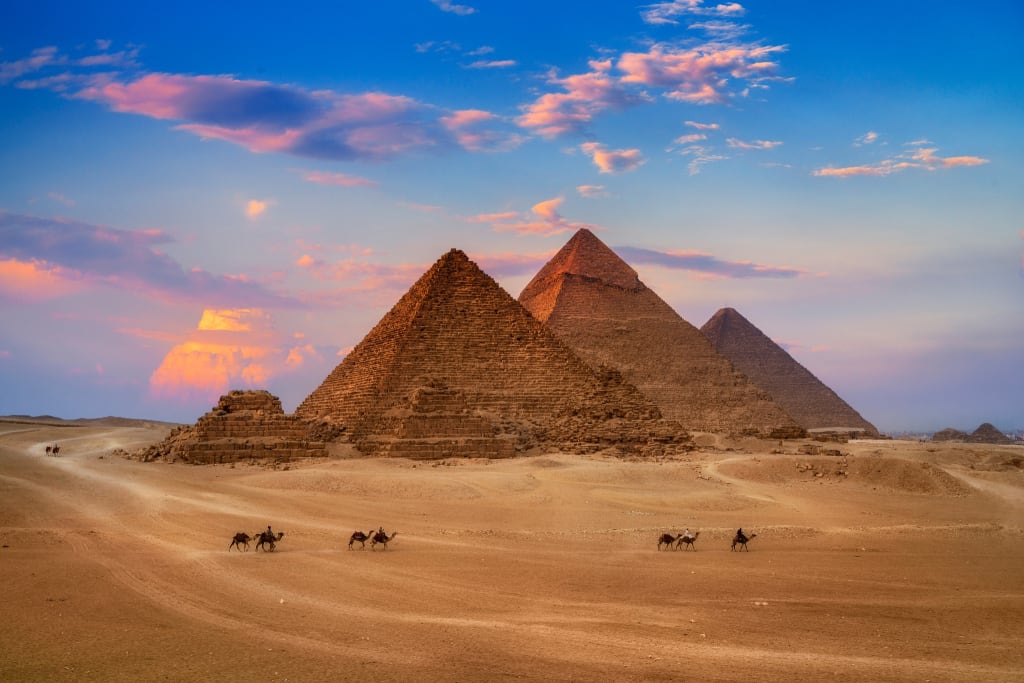
Egypt is a treasure trove of ancient history, breathtaking landscapes, and vibrant culture. It offers an incredible blend of iconic landmarks, beautiful scenery, and delicious cuisine.
Egyptian Cuisine
Egyptian food is a delightful mix of flavors and textures, deeply rooted in the country’s history and traditions. Here are some must-try dishes:
Koshari: A national dish of Egypt, Koshari is a hearty and comforting mix of rice, lentils, pasta, chickpeas, and fried onions, topped with a tangy tomato sauce and often served with a side of spicy vinegar.
Ful Medames: A traditional breakfast dish made from slow-cooked fava beans mixed with garlic, lemon juice, and olive oil. It's usually served with pita bread and various toppings like tomatoes, cucumbers, and boiled eggs.
Ta'ameya (Egyptian Falafel): Made from fava beans instead of chickpeas, these fried patties are crispy on the outside and soft on the inside, often eaten with pita, tahini, and salad.
Mahshi: Vegetables like zucchini, bell peppers, or vine leaves stuffed with a mixture of rice, herbs, and sometimes minced meat. It’s a popular comfort food in Egyptian households.
Molokhia: A green soup made from jute leaves, usually served with rice and either chicken, rabbit, or lamb. It has a distinctive texture and is highly nutritious.
Fattah: A dish of layered crispy bread, rice, and meat (usually lamb), topped with a garlicky tomato sauce. It’s often served during special occasions and celebrations.
Baklava: A popular dessert made of layers of phyllo pastry filled with nuts and sweetened with honey or syrup.
Must-See Places in Egypt
The Pyramids of Giza and the Sphinx:
Location: Giza, just outside Cairo.
The most iconic landmarks in Egypt, the Pyramids of Giza (especially the Great Pyramid of Khufu) and the nearby Sphinx are wonders of ancient engineering. These structures are over 4,000 years old and represent the peak of ancient Egyptian tomb-building.
The Egyptian Museum:
Location: Cairo.
Home to the largest collection of ancient Egyptian artifacts in the world, the Egyptian Museum holds treasures like the golden mask of Tutankhamun and thousands of other relics from the Pharaohs.
Khan El Khalili Bazaar:
Location: Cairo.
A bustling market in the heart of Islamic Cairo, Khan El Khalili is a labyrinth of narrow streets filled with shops selling spices, perfumes, jewelry, textiles, and souvenirs. It’s a great place to experience local culture and practice your bargaining skills.
Luxor and the Valley of the Kings:
Location: Luxor.
Often called the world’s greatest open-air museum, Luxor is home to the Temple of Karnak, the Luxor Temple, and the Valley of the Kings, where you can explore the tombs of ancient Pharaohs, including that of King Tutankhamun.
Abu Simbel Temples:
Location: Aswan, southern Egypt.
These colossal rock temples built by Ramses II are carved into a mountainside and are one of Egypt’s most spectacular monuments. The sheer size and detailed carvings make Abu Simbel a must-see.
Aswan and Philae Temple:
Location: Aswan.
Aswan is a picturesque city on the Nile River, known for its beautiful scenery and relaxed atmosphere. Visit the Philae Temple, dedicated to the goddess Isis, which was relocated to Agilkia Island due to the construction of the Aswan High Dam.
The Nile River:
Taking a Nile cruise is one of the best ways to explore Egypt. You can sail between Luxor and Aswan, stopping at various temples and ancient sites along the way. The serene beauty of the river and the lush greenery along its banks contrast with the surrounding desert landscapes.
Siwa Oasis:
Location: Western Desert.
This remote oasis near the Libyan border is famous for its natural beauty, hot springs, and unique culture. Visit the ancient fortress of Shali, the Temple of the Oracle, and the beautiful salt lakes.
Dahshur:
Location: South of Cairo.
Dahshur is home to lesser-known pyramids, such as the Bent Pyramid and the Red Pyramid. It's less crowded than Giza, offering a more peaceful experience for exploring ancient Egyptian architecture.
The White Desert:
Location: Farafra, Western Desert.
Known for its surreal landscape of white chalk formations that look like giant mushrooms or animals, the White Desert is a unique natural wonder. It’s a popular spot for desert camping and photography.
Tips for Traveling in Egypt:
Best Time to Visit: The best time to visit Egypt is during the cooler months, from October to April. Summers can be extremely hot, especially in southern Egypt.
Cultural Etiquette: Egypt is a conservative country, so dressing modestly is recommended, especially when visiting religious sites.
Safety: Most tourist areas in Egypt are safe, but it's always wise to stay updated on current travel advisories and avoid any politically sensitive areas.
Egypt offers a fascinating blend of history, culture, and cuisine that will make your visit unforgettable!
About the Creator
Enjoyed the story? Support the Creator.
Subscribe for free to receive all their stories in your feed.
Comments
There are no comments for this story
Be the first to respond and start the conversation.