
Easy Sewing Ideas Every Beginner Can Make at Home
Beginner Can Make at Home

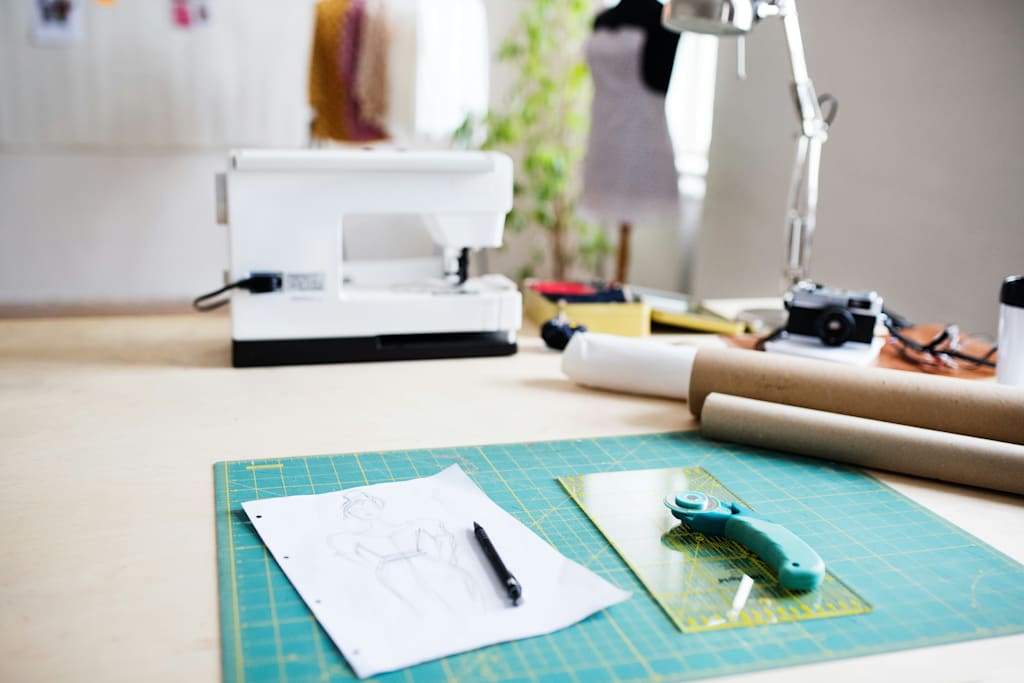
Sewing is a creative and useful skill that can turn simple fabric into something beautiful, practical, and personal. If you are starting, the best way to learn is by choosing small projects that do not require advanced patterns or complicated techniques. With a few basic tools, some fabric, thread, pins, scissors, and patience, you can build confidence one stitch at a time.
Beginner sewing projects should feel enjoyable, not stressful. The goal is to practice straight seams, simple hems, measuring, cutting, and basic finishing. As you complete each project, your hands become steadier, your stitches become neater, and your ideas become more exciting.
Fabric napkins are one of the easiest sewing projects for beginners. They only require square pieces of fabric and simple folded hems. Cotton fabric works especially well because it is easy to cut, press, and sew.
To make them, cut your fabric into equal squares, fold each edge twice, press with an iron, and sew around the edges. This project helps you practice straight lines and neat corners. It also gives you something useful for everyday meals, picnics, or holiday table settings.
A pillow cover is a great beginner project because it teaches you how to sew larger seams while creating home decor you can actually use. Envelope-style pillow covers are especially beginner-friendly because they do not require zippers or buttons.
Choose a soft cotton, linen, or upholstery fabric. Measure your pillow insert, cut the fabric pieces, sew the edges, and turn the cover right side out. The result is a fresh pillow cover that can brighten a couch, chair, or bedroom without much effort.
A basic tote bag is both practical and satisfying. You can use it for groceries, books, craft supplies, or everyday errands. This project introduces beginners to sewing handles and creating a stronger structure.
Start with medium-weight cotton or canvas. Cut two rectangles for the bag body and two strips for the handles. Sew the sides and bottom, attach the handles securely, and finish the top edge with a clean hem. Once you master a basic tote, you can customize it with pockets, lining, or decorative stitching.
Drawstring bags are simple, useful, and fun to make in different sizes. They work well for storing shoes, toys, makeup, sewing tools, snacks, or small gifts. This project teaches you how to create a casing, which is a folded channel that holds the cord.
Use lightweight cotton fabric for your first bag. Sew the side seams, fold the top edge to create the casing, and thread ribbon or cord through it. The finished bag looks polished, yet the steps are easy enough for a beginner.
Scrunchies are quick, cute, and perfect for using leftover fabric. They are also a great way to practice sewing small seams and turning fabric tubes right-side-out.
Choose cotton, satin, velvet, or any soft fabric. Cut a long rectangle, sew it into a tube, insert elastic, and close the opening. Scrunchies make great handmade gifts, and because they use small fabric pieces, you can make several in one sitting.
Reusable snack bags help reduce waste and practice simple sewing skills. They can hold crackers, fruit, sandwiches, or small items in a lunchbox. For food use, choose washable cotton for the outside and a food-safe lining if needed.
This project usually involves sewing rectangles together and adding a fold-over top or hook-and-loop closure. It teaches careful measuring and edge finishing. Plus, it gives you a practical item you can wash and reuse often.
An apron may look more advanced, but a simple waist apron is very beginner-friendly. It is made from a rectangular piece of fabric with ties at the sides. You can use it while cooking, gardening, painting, or crafting.
Cotton canvas or denim works well because it is sturdy. Hem the edges, sew long fabric strips for ties, and attach them to the top corners. You can also add a front pocket once you feel ready. This project helps you practice durability and neat finishing.
Small projects like bookmarks and coasters are excellent for absolute beginners. They use very little fabric and take less time than larger items. Because they are small, they help you practice accuracy without wasting materials.
For coasters, sew two fabric squares together with a layer of batting in between, then turn and topstitch around the edges. For bookmarks, use narrow fabric strips and add interfacing for stiffness. These projects are simple, but they can still look stylish and handmade.
Start with woven cotton fabric because it is easier to control than stretchy fabric. Wash and iron your fabric before sewing it to prevent shrinkage later. Measure twice before cutting, sew slowly, and use pins or clips to keep pieces in place.
Do not worry if your first stitches are not perfect. Every project teaches something valuable. Even small mistakes help you understand fabric, tension, seam allowance, and machine control.
Simple sewing projects give beginners the perfect chance to learn useful skills while making items they can enjoy every day. Fabric napkins, pillow covers, tote bags, drawstring bags, scrunchies, snack bags, aprons, coasters, and bookmarks all offer easy ways to practice. With each finished project, sewing becomes less intimidating and more rewarding. Start small, stay patient, and let every stitch build your confidence.
About the Creator
Wende Pettit
Wende Pettit is known for reliability, organization, and calm under pressure, with 15+ years supporting leaders in education, healthcare, and business, always helping others succeed.
Portfolio: https://wendepettit.com
Enjoyed the story? Support the Creator.
Subscribe for free to receive all their stories in your feed.
Comments