

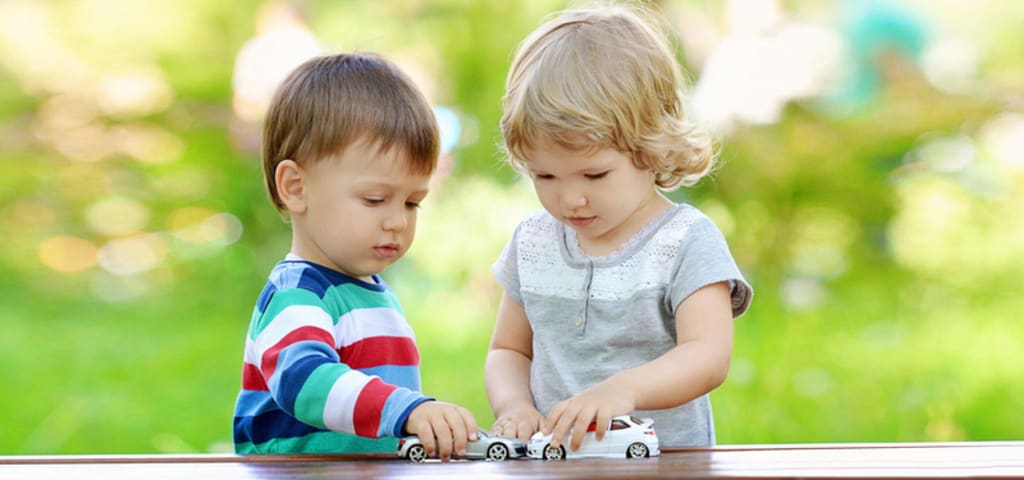
European and American early childhood education refers to the educational methods and teaching methods adopted in the field of early childhood education in European and American countries. European and American early childhood education focuses on the overall development of young children, including intellectual, physical, emotional and social skills. Its educational philosophy focuses on discovering and guiding young children's natural abilities and talents, and helps young children develop individuality, self-esteem and creativity by providing rewarding academic and social experiences. Early childhood education in Europe and the United States usually adopts the method of "gamification learning", which stimulates children's interest and curiosity through games, music, art and other media, and educates children to learn to explore, experience and chew information. At the same time, teachers and parents are considered as important partners and mentors in early childhood education in Europe and the United States. Their role is not only to impart knowledge and skills, but also to establish good interpersonal relationships and trust.
Educating young children is a challenging and fun job. Early childhood is one of the most important stages of life, as experiences and learning at this stage can have a profound impact on later development and growth. In this short article, I will share some practical tips and strategies on how to teach young children.
First of all, love is one of the most important elements in educating young children. Young children need to feel loved and cared for by their parents and educators, which can give them a sense of security and confidence. Parents should give their children sufficient attention and love to make them feel that they are valued and respected. In kindergartens or schools, teachers should also show sincere concern and love for young children, so that children can feel that they are cared for and supported.
Secondly, observation and communication are important tools for educating young children. Observation can help educators understand young children's needs and confusion so they can better help them. Regular observation of children's performance in learning and playing can allow educators to detect problems in time and give help. In addition, communicating with young children is also an important skill in educating young children. Educators need to communicate with young children in simple and easy-to-understand language so that they feel respected and valued. Such communication can promote the speech and language development of young children, and cultivate their self-confidence and expressive ability.
Third, creating a good learning environment is a necessary condition for educating young children. Young children need a fun and challenging environment to learn and explore. Educators need to prepare a variety of toys and learning materials to ensure that young children have adequate opportunities to learn and develop. In addition, educators also need to create a safe, warm and dynamic educational environment in which young children feel cared for and cared for.
Finally, parents and educators need to actively cooperate with all sectors of society to jointly promote the education and development of young children. In the family, parents need to maintain good communication with the kindergarten or school to understand their children's performance and needs in school. At the societal level, educators need to collaborate with other educators, healthcare workers, media, and political leaders to advance educational reform and raise public awareness of early childhood education.
In short, educating young children requires love, observation, communication, creating a good learning environment and actively cooperating with all sectors of society. Hopefully, these practical tips and strategies will help parents and educators better educate young children and lay a solid foundation for their growth and development.
Children's education refers to educational activities for children aimed at helping them develop their cognitive, emotional, social, physical and creative abilities. The ways of children's education include games, experience, demonstration exercises, teaching and other forms. The goal of children's education is to provide a learning, safe and supportive environment in which children can realize their potential and build self-confidence. Children's education is a long-term process that involves many aspects, such as parent-child relationship, school education, nursery school, social culture and so on. In the process of children's education, it is necessary to pay attention to cultivating children's curiosity, desire to explore, self-affirmation, social skills and creativity.
About the Creator
Enjoyed the story? Support the Creator.
Subscribe for free to receive all their stories in your feed.
Comments
There are no comments for this story
Be the first to respond and start the conversation.