
Do You Need Surgery for Spondylolisthesis?
Find out if surgery is needed for spondylolisthesis, when to worry about symptoms, and what treatments can help without surgery.

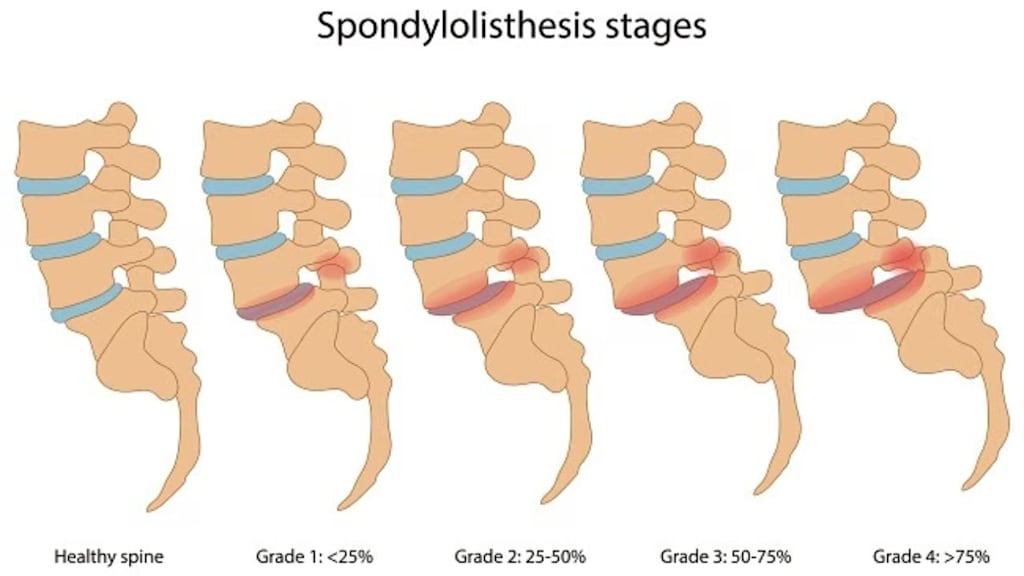
Hearing the word spondylolisthesis for the first time can feel confusing, and maybe a little worrying too. Most people jump straight to one thought, will I need surgery? It is a fair question, but the answer is not always what you might expect.
In many cases, surgery is not the first step. A large number of people live with this condition and manage it successfully without ever needing an operation. What matters most is how severe the condition is and how much it affects your day to day life.
Spondylolisthesis happens when one of the bones in your spine moves slightly forward over the one below it. This shift can irritate nearby nerves and lead to lower back pain, stiffness, or discomfort that spreads into the hips or legs. Some people notice it only during certain activities, while others feel it more regularly.
Why Surgery Is Not Always Needed
Doctors usually take a conservative approach at the start. That means trying simple, non surgical treatments first. The goal is to reduce pain, improve movement, and give your body a chance to stabilize the spine naturally.
Physical therapy is often the backbone of treatment. A trained therapist will guide you through exercises that strengthen your core and back muscles. These muscles act like a support system for your spine, helping reduce pressure on the affected area.
Along with therapy, you might be advised to take anti inflammatory medication to ease pain and swelling. Small lifestyle changes can also play a big role. This might include adjusting how you sit, stand, or lift objects, and avoiding movements that trigger discomfort.
Some people also benefit from wearing a brace for short periods. This can provide extra support while the muscles around the spine get stronger.
The key here is patience. Improvement does not always happen overnight, but with consistent effort, many people notice a steady reduction in symptoms over time.
Signs That Treatment Is Working
One of the best indicators that you do not need surgery is gradual improvement. If your pain becomes easier to manage, if you can move more freely, or if daily activities feel less difficult, that is a positive sign.
Even if the pain does not completely disappear, being able to control it with therapy and simple adjustments is often enough to avoid surgery altogether.
When Surgery Becomes an Option
There are situations where non surgical treatments are not enough. If pain continues for months and starts to interfere with your routine, it may be time to consider other options.
Persistent lower back pain that limits your ability to work, walk, or sleep comfortably is one of the main reasons people explore surgery. Another important factor is nerve related symptoms. If you experience numbness, tingling, or weakness in your legs that does not improve, it could mean the nerves are under ongoing pressure.
Doctors also look at imaging results, such as X rays or MRI scans. If the vertebra has slipped significantly or is continuing to move, surgery may be recommended to prevent further problems.
In rare cases, symptoms like loss of bladder or bowel control need immediate medical attention. These situations are uncommon, but they are serious and should never be ignored.
What Surgery Involves
If surgery is recommended, it is usually because the spine needs more stability or the nerves need relief. The most common procedure is called spinal fusion.
During spinal fusion, the affected bones are joined together so they stay in place and do not move out of alignment. This helps reduce pain caused by instability. In some cases, the surgeon will also relieve pressure on the nerves at the same time, which can help with leg pain or numbness.
It is natural to feel nervous about spine surgery. However, modern techniques have improved a lot over the years. Many procedures are now done using less invasive methods, which can lead to shorter recovery times and fewer complications.
Recovery varies from person to person, but most people gradually return to their normal activities. Physical therapy is often part of the recovery process to help rebuild strength and mobility.
How to Decide What Is Right for You
Deciding whether to have surgery is not something that should be rushed. It is a personal choice that depends on your symptoms, your lifestyle, and how your body responds to treatment.
Ask yourself a few simple questions. Is your pain manageable with the treatments you are already using? Are you able to do your daily activities without constant discomfort? Have you given non surgical options enough time to work?
If the answer to these questions is yes, then continuing with conservative care may be the best path. If the answer is no, and your quality of life is being affected, then it may be time to have a deeper conversation with a spine specialist.
Getting a second opinion can also be helpful. It gives you more clarity and confidence in your decision.
Living With Spondylolisthesis
Whether you choose surgery or not, many people with spondylolisthesis go on to live active, fulfilling lives. Staying active, maintaining a healthy weight, and keeping your core muscles strong can all help support your spine.
It is also important to listen to your body. Pushing through pain or ignoring symptoms can make things worse over time. A balanced approach that includes movement, rest, and proper care usually leads to the best outcomes.
Final Thoughts
Surgery for spondylolisthesis is not always necessary, and for many people, it is never needed. Starting with simple, non surgical treatments gives your body a real chance to improve.
If symptoms continue or begin to limit your daily life, surgery can be a valuable option that helps restore comfort and mobility. The goal is not just to treat the condition, but to help you get back to living your life without constant pain.
Take your time, stay informed, and work closely with a doctor you trust. The right decision is the one that helps you feel better and move forward with confidence.
Frequently Asked Questions
1. Can spondylolisthesis go away without surgery?
It may not fully go away, but symptoms can improve significantly with physical therapy and proper care.
2. How long should I try non surgical treatment?
Most people try conservative treatment for several weeks to a few months before considering surgery.
3. Is spinal fusion always required?
No, it is only recommended in cases where the spine needs added stability or symptoms are severe.
4. What are the risks of not having surgery?
If symptoms are mild, there may be little risk. However, severe or worsening symptoms can lead to nerve problems if untreated.
5. Can I return to normal activities after surgery?
Yes, many people return to their regular routine after recovery, often with less pain and better mobility.
About the Creator
Bradley Mitchell
I’m a passionate content writer who loves turning ideas into impactful stories. From blog posts to website copy, I create content that not only informs but also engages and inspires readers.
Enjoyed the story? Support the Creator.
Subscribe for free to receive all their stories in your feed.
Comments
There are no comments for this story
Be the first to respond and start the conversation.