
Discover These 5 Unbelievable Sea Creatures You've Probably Never Seen Before!
Mysteries of the Ocean Floor

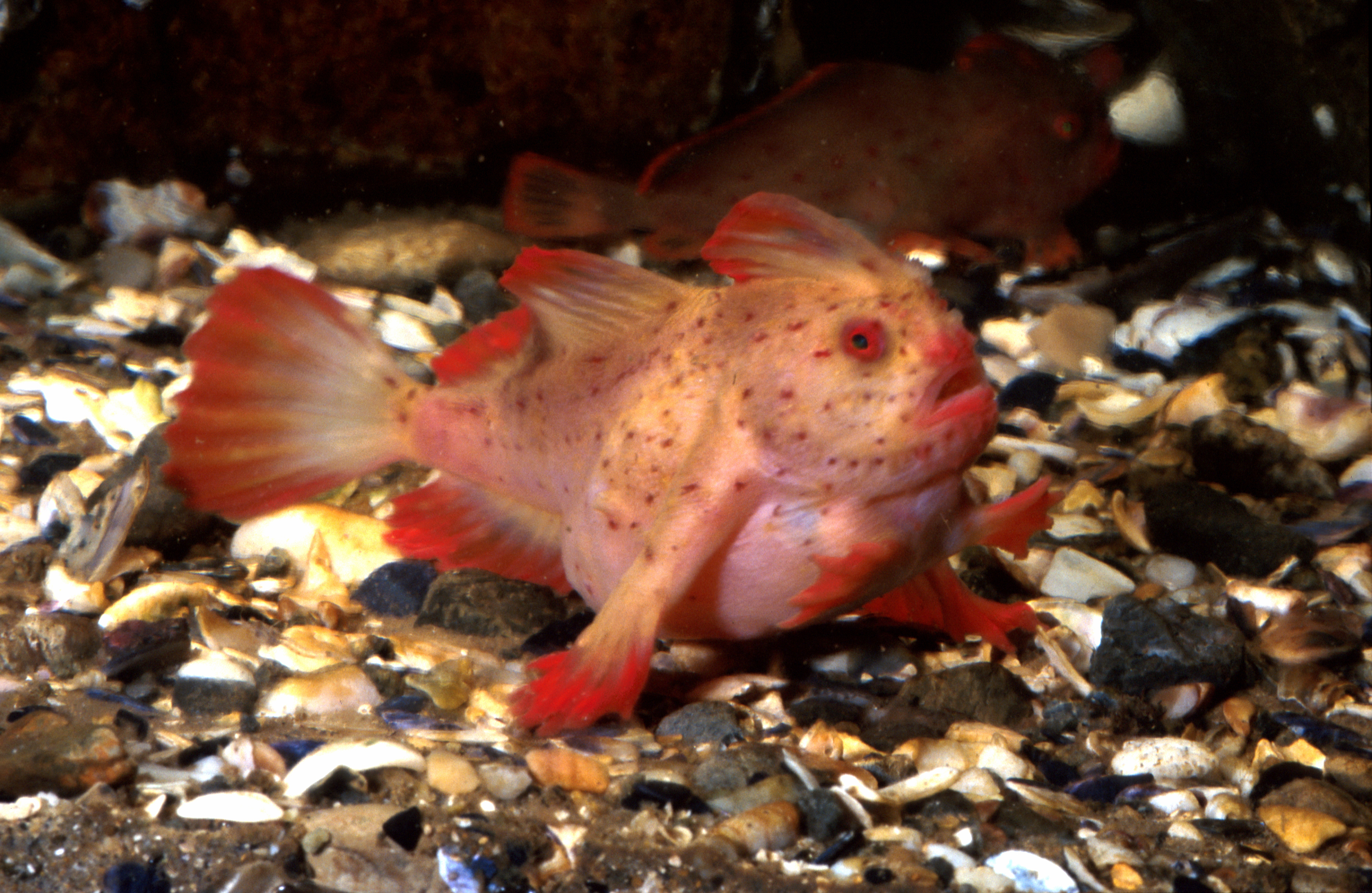
Interested in a 'high five' with an extraordinary sea creature? Well, consider raising your hand, or rather, flipper, for the Tasmanian red handfish. This unique fish doesn't swim like your typical fish; it actually 'walks' using its flipper-like hands to gracefully move across the ocean floor. Unfortunately, these seabed strollers frequently face disturbances from swimmers and boats, with some folks even considering them as potential pets. Instead of that, it's best to offer a friendly wave and let them continue their underwater journey undisturbed.
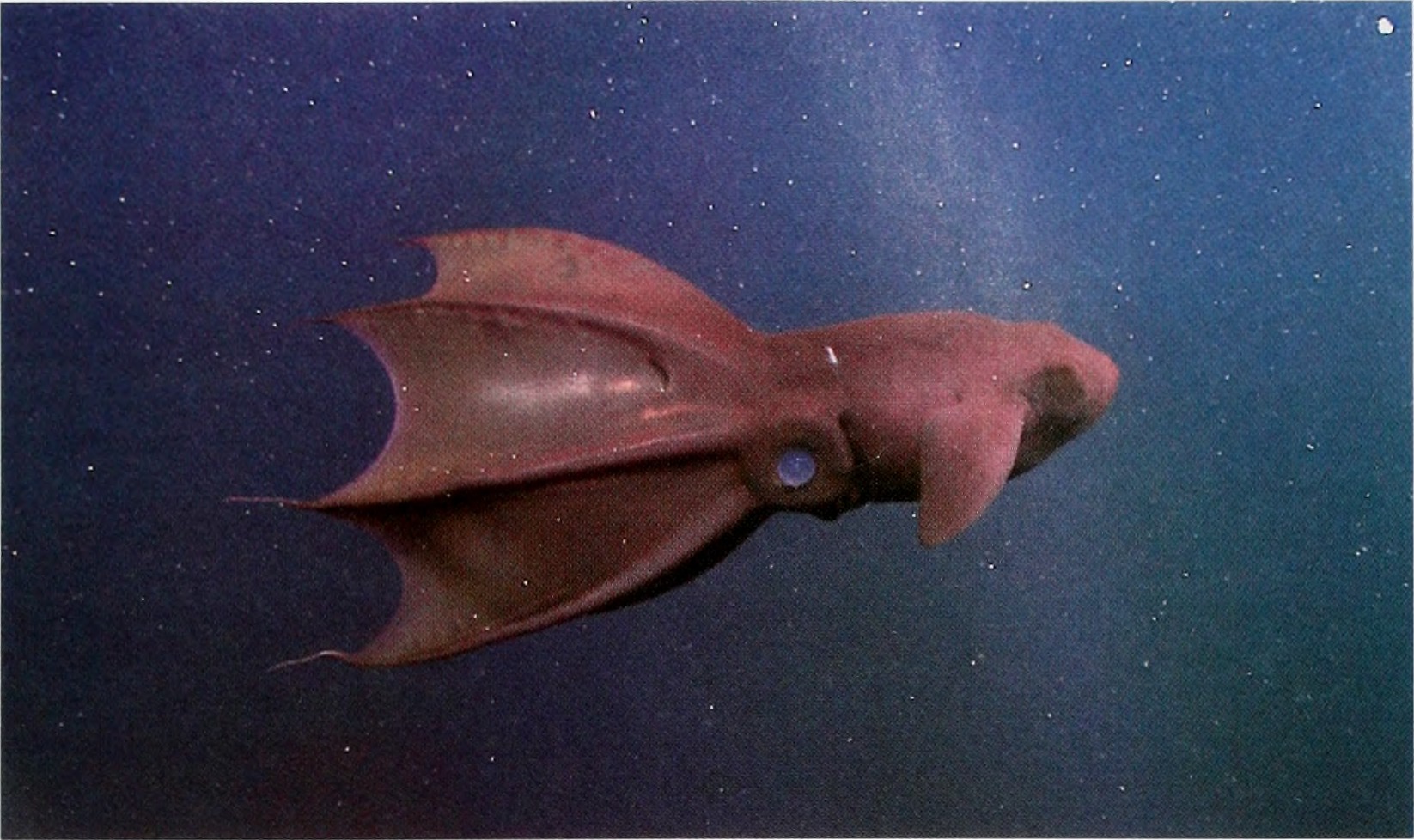
The vampire squid, scientifically named Vampyroteuthis infernalis, which translates to 'vampire squid from hell,' seems designed to strike fear into our hearts. Its striking dark red color, spiky appearance on its underside, and the eerie ability to essentially turn itself inside out are all part of its repertoire for putting on a spine-tingling show. However, despite its intimidating facade, this vampire squid is about as harmless to humans as a kitten.
Imagine Dracula scaring you without those blood-sucking fangs – that's the vampire squid. Instead of hunting for blood, these creatures feed on tiny food particles, including both plant and animal matter, floating near the ocean's surface. Since they aren't predators themselves, they've evolved some clever defensive strategies.
Their fearsome appearance serves as a warning to potential predators, deterring larger creatures from considering them as a meal. The ability to turn themselves inside out is one such defensive mechanism, as the spiky areas on their inner skin are even more intimidating.
Moreover, when threatened, they can release a substance that lacks color but is packed with bioluminescent particles. This dazzling display serves as a distraction, helping them escape from would-be attackers in the dark depths of the ocean.
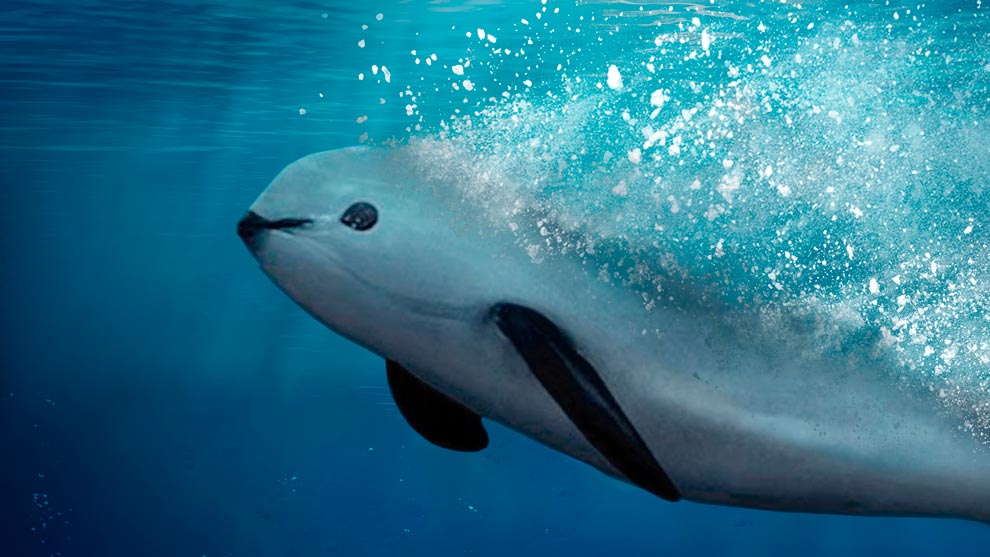
Embarking on a boat adventure off the Mexican coast may sound like an idyllic vacation: basking in the sun, surrounded by pristine blue waters. However, there's an unexpected twist - you might encounter one of the world's most endangered sea creatures, the vaquita. But before you get too concerned, let me clarify: the vaquita poses no threat to humans. In fact, it's rather elusive and won't linger to exchange pleasantries or offer autographs.
This diminutive marine mammal, whose name translates to 'little cow' in Spanish, boasts distinctive black markings around its eyes, resembling a sea panda in my eyes. Catching a glimpse of this creature should indeed make you feel incredibly fortunate. Sadly, the vaquita teeters on the brink of extinction, primarily due to unintentional entanglement in fishing nets. Shockingly, it is estimated that there are now only around ten of these magnificent animals left in the wild.
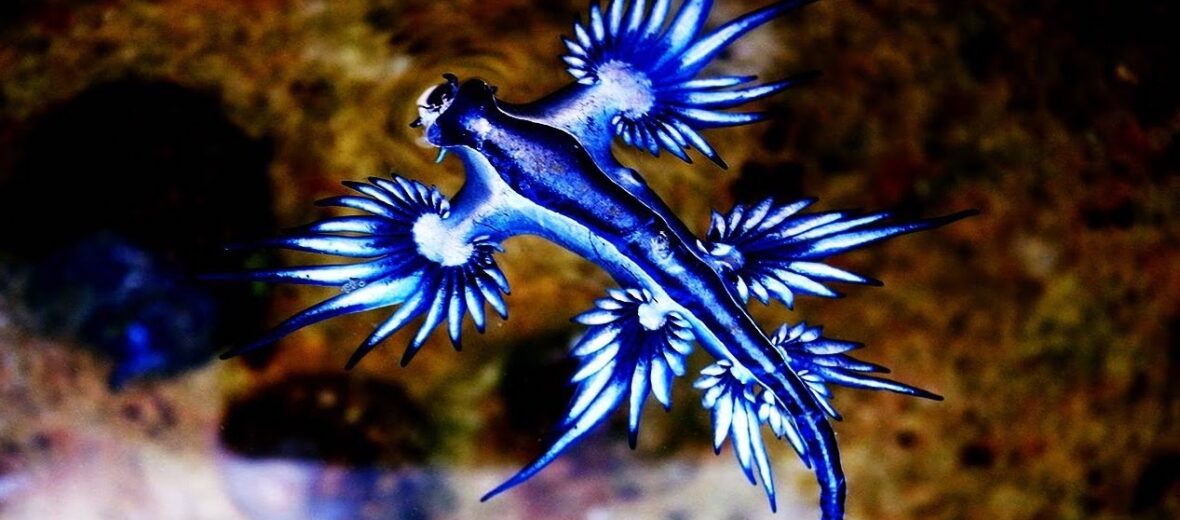
The Blue Dragon, a fascinating creature that appears as though it's sprung from the pages of a children's fantasy book, goes by the scientific name Blue Glaucus. It's also commonly referred to as the Blue Dragon or Blue Angel and can be encountered in various locations, spanning the Atlantic, Pacific, and Indian Oceans. Despite its diminutive size, growing to only about an inch in length, the Blue Dragon is quite remarkable.
What might seem like its top side is, in fact, its vivid underbelly. This cunning mollusk often floats upside down, using its blue hues to blend seamlessly with the ocean's waves, a natural form of camouflage. Yet, this creature's charm isn't just skin deep; it's also quite intelligent. Its primary diet consists of Portuguese man o' wars, or fisalia fisalis.
Interestingly, the Blue Dragon has a unique way of dealing with threats. It stores the stinging cells of its prey, effectively hijacking their defensive mechanisms. When faced with danger, it can release these stored stinging cells, directing them at its assailant with greater potency than the Portuguese man o' war could manage. Given their potential to pose a threat to humans, it's advisable not to handle them if encountered. Admiring these remarkable creatures from a distance is the safest and most respectful approach.
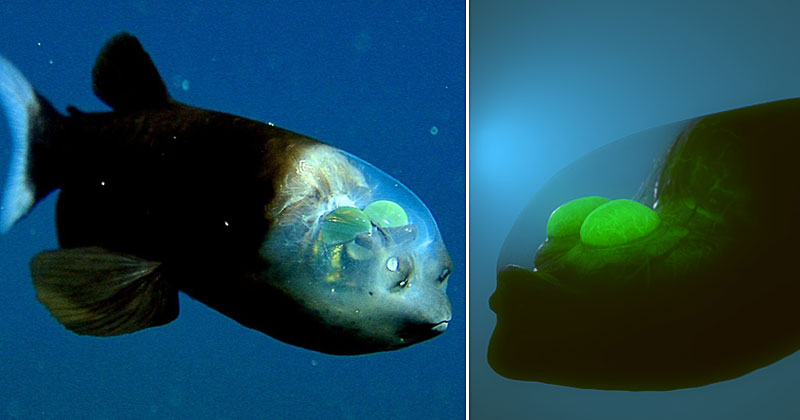
The barrel-eye fish, an astonishing creature of the deep sea, offers an experience akin to possessing Superman's X-ray vision. Observing the barrel-eye fish may make you feel as though you've acquired this superpower, even though you may have never realized it. What sets this remarkable fish apart is its transparent head, which allows us to peer inside and glimpse its eyes and brain.
These magnificent creatures inhabit the depths of the ocean, specifically the deepest regions where a host of peculiar beings dwell. These depths are characterized by near-freezing temperatures and perpetual darkness, while the water exerts a crushing pressure nearly a thousand times that of the surface. If the notion of the deep sea sends shivers down your spine, stay tuned as we explore another of its enigmatic denizens later on.
Barrel-eye fish can be found in the Atlantic, Pacific, and Indian oceans. You might be wondering why a fish would possess a see-through head, and that's a valid question. Initially, when this species was discovered in 1939, it was believed that the fish's eyes were fixed, offering only forward vision, akin to tunnel vision.
However, recent revelations by scientists Bruce Robinson and Kim Risenbickler from the Monterey Bay Aquarium Research Institute have overturned this notion. They discovered that the barrel-eye fish can actually move its eyes vertically, allowing it to peer through the top of its translucent head. This adaptation helps the fish detect potential predators or prey in its surroundings. Additionally, the transparent head permits more light to enter, enhancing its ability to spot and pursue prey. It is believed that barrel-eye fish primarily feed on jellyfish and small fish species.
Thank you for your time. See you on the next one.
About the Creator
Huy Nguyen
I love money.
Enjoyed the story? Support the Creator.
Subscribe for free to receive all their stories in your feed.
Comments
There are no comments for this story
Be the first to respond and start the conversation.