
Discover the Rich Tapestry of Indian Traditions
Exploring Indian traditions reveals a vibrant culture filled with history and spirituality. India’s vast heritage has been shaped over centuries through traditional practices. Every ritual and festival showcases the country’s rich cultural tapestry.

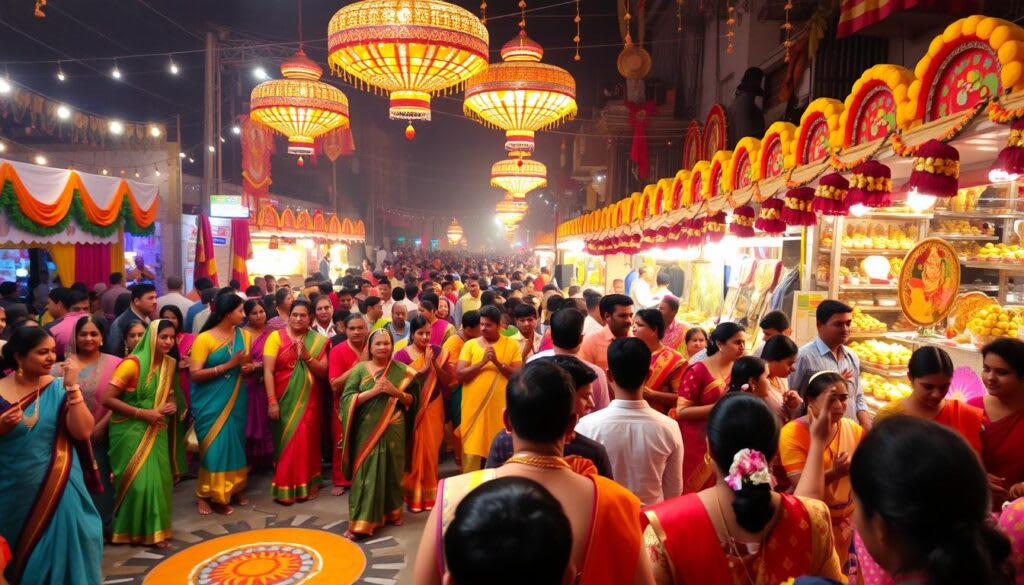
Imagine joining a tradition passed down through generations. Each custom and ritual has its own story. This is what Indian traditions are all about – a way of life deeply rooted in history and philosophy. As you explore, you’ll see how these practices are significant in daily life.
Introduction to Indian Traditions
This journey will introduce you to various aspects of Indian traditions. You’ll learn about spiritual practices and cultural festivals. Discover how India’s history has shaped its culture and how traditional practices remain vital today.
Key Takeaways
Indian traditions are a rich and diverse heritage shaped by centuries of history and culture.
The culture of India is vibrant and spiritual, deeply rooted in traditional practices.
Traditional practices continue to be important in modern life, from spiritual rituals to cultural festivals.
Indian traditions are a way of life steeped in history and philosophy.
The significance of Indian traditions lies in their ability to unite people and foster a sense of community.
Exploring Indian traditions is a great way to learn about the country’s rich cultural heritage and its people.
Understanding the Essence of Indian Traditions
Exploring India’s heritage reveals a world of customs and rituals. These practices show the unity in diversity of Indian culture. Different traditions and beliefs live together in harmony.
Spirituality is a big part of Indian life. Spirituality is not just a practice but a way of life. It touches every part of Indian culture, from rituals to daily customs.
The Philosophy Behind Indian Cultural Practices
Indian practices are guided by a deep philosophy. It teaches living in harmony with nature and each other. This is seen in Indian customs, like community focus and respect for elders.
The Role of Spirituality in Daily Life
Spirituality is key in daily life for many Indians. They include rituals in their routines. Meditation, yoga, prayer, and worship are all important parts of Indian traditions.
The Concept of Unity in Diversity
Despite many traditions, India feels united. This unity is shown in festivals and rituals. It’s a beautiful sight to see.
Exploring Indian traditions helps us understand the country’s culture. It shows how spirituality and philosophy are part of it. Embracing India’s heritage reveals a vibrant culture full of life and color.
The Sacred Bond Between Family and Tradition
Exploring traditional Indian practices shows how important family is. Family values are key to keeping cultural heritage alive. Family is more than just a group; it’s a sacred bond that keeps traditions alive.
In India, family is where traditions are passed down. Older family members share their wisdom and teach the young. This bond keeps the family connected to their heritage.
Some key aspects of the bond between family and tradition in India include:
Respect for elders and their wisdom
Passing down cultural values and practices to younger generations
Participating in traditional ceremonies and rituals together
Sharing stories and legends that highlight the importance of family and tradition
By embracing these aspects, Indian families can deepen their understanding of their heritage. This ensures traditional practices and spiritual traditions continue for future generations.
Traditional Practice Family’s Role
Celebrating festivals Participating in rituals and ceremonies together
Passing down stories and legends Sharing cultural values and traditions with younger generations
Observing spiritual rituals Guiding family members in spiritual practices and traditions
Ancient Vedic Practices in Modern India
Exploring India’s culture reveals the importance of its traditions and customs. The Vedic period, from 1500 BCE, deeply influenced India’s spiritual and philosophical views. Today, these ancient practices shape India’s identity.
Vedic rituals have evolved to fit modern life. Yoga, born in the Vedic era, is now a global exercise and meditation favorite. Ayurveda, focusing on natural remedies and holistic healing, also attracts attention.
The Relevance of Vedic Rituals Today
To grasp the value of preserving sacred knowledge, we must see how Vedic practices have evolved. Here are some examples:
Integrating Vedic principles into daily life, like meditation and mindfulness
Using Vedic rituals and ceremonies for life events, such as weddings and births
Applying Vedic knowledge in medicine, astronomy, and mathematics
Adapting Ancient Wisdom for Contemporary Life
As you learn about India’s culture and customs, you’ll see the importance of adapting ancient wisdom. This can be done by:
Spreading education and awareness about Vedic practices and their importance
Encouraging the use of Vedic principles in daily life, such as yoga and meditation
Supporting research and development in fields like ayurveda and Vedic astronomy
The Colorful World of Indian Festivals
Exploring Indian festivals reveals the importance of indian festive celebrations in keeping the heritage of india alive. These events unite people, creating a strong sense of community. With many festivals all year, each one offers a special look into India’s rich culture.
Some of the most notable festivals include:
Diwali, the festival of lights, which symbolizes the triumph of light over darkness
Holi, the festival of colors, which celebrates the arrival of spring and the victory of good over evil
Navratri, a nine-day festival that honors the divine feminine and the power of the goddess
These festivals are key to indian festive celebrations, showing the country’s cultural diversity. By joining in, you’ll feel the warmth of the Indian people. You’ll also learn more about the heritage of india.
indian festive celebrations
As you dive into the colorful world of Indian festivals, you’ll see their role in bringing people together. Whether you’re there in person or learning from afar, you’ll be swept into the lively world of indian festive celebrations and the heritage of india.
Traditional Art Forms and Their Cultural Significance
Exploring the culture of India reveals a rich world of traditional art. These art forms are key to keeping traditional Indian practices and customs in India alive. They serve as a bridge to India’s heritage and identity.
Indian art is incredibly diverse and full of life. It includes classical dance, music, and folk art.
Classical Dance Forms
Dances like Bharatanatyam, Kathakali, and Odissi are famous for their detailed movements and stories. These dances are a big part of traditional Indian practices. They’re often seen at festivals and celebrations.
India’s
Musical Heritage
is also very impressive, with many instruments and singing styles. From the calm sounds of the sitar to the lively beats of the tabla, Indian music shows the country’s cultural richness. Customs in India often include music and dance, which unite people and build community.
Also,
Folk Art Traditions
like pottery, weaving, and painting are vital to India’s culture. These arts are passed down through generations and show the country’s culture of India. By keeping these traditional arts alive, we help India’s rich cultural heritage grow.
Art Form Description
Classical Dance Intricate movements and storytelling
Musical Heritage Diverse range of instruments and vocal styles
Folk Art Traditions Traditional crafts like pottery, weaving, and painting
The Role of Food in Indian Traditions
Exploring indian traditions shows how food brings people together. Each dish in indian cuisine has its own cultural story. From spicy curries in the south to rich naan breads in the north, food reflects the country’s rich diversity.
Indian food is more than just what you eat. Mealtimes are when families and communities come closer. Cooking and sharing meals is a sign of respect and hospitality. Food is always the heart of any gathering in India, whether it’s a special event or a simple meal.
The use of traditional spices and ingredients to create unique flavor profiles
The importance of vegetarianism and veganism in indian cuisine
The role of food in preserving and promoting indian cultural practices
Food is not just for eating in India. It’s a way to connect with the country’s deep cultural roots. By diving into indian traditions and trying different foods, you learn about the country’s values and customs.
Marriage Customs and Ceremonial Practices
Exploring India’s rich heritage, you’ll find that marriage customs are key. These customs show the country’s diverse traditions and rituals. Each region in India has its own unique marriage customs.
India’s wedding ceremonies vary greatly by region. The north has vibrant ceremonies, while the south has elegant ones. Each region has its own customs and practices.
Punjabi weddings are known for their lively atmosphere and traditional attire.
South Indian weddings focus on family and tradition.
Gujarati weddings are famous for their elaborate decorations and joyful celebrations.
These regional differences also apply to the symbolic rituals and their meanings. For example, the saptapadi ritual symbolizes the couple’s journey together. Learning about these customs and rituals offers insights into India’s heritage and people.
By exploring India’s marriage customs and ceremonies, you’ll appreciate its rich cultural heritage more. These customs and rituals are a big part of India’s identity. Understanding them helps you connect with the people and their traditions.
Region Wedding Custom Symbolic Meaning
Punjabi Anand Karaj Union of two souls
South Indian Kashi Yatra Symbolic journey to Kashi
Gujarati Garba Devotional dance
Spiritual Traditions of India Through the Ages
Exploring India’s spiritual traditions reveals a rich mix of practices and beliefs. These traditions deeply influence Indian culture and identity. They shape daily life and grand festivals, making spirituality a core part of India.
Many Indians seek spiritual practices for guidance, comfort, and community. This shows how deeply spirituality is woven into Indian life.
Some key aspects of India’s spiritual traditions include:
Meditation and yoga, which help find inner peace and balance
Pilgrimages to sacred sites, like the Ganges River, believed to hold spiritual power
Worship of deities, such as Krishna and Shiva, seen as divine manifestations
These practices have greatly shaped Indian traditions and culture. They help Indians connect with their heritage and find life’s meaning. Exploring these traditions offers a deeper look into India’s rich cultural heritage and the role of spirituality in society.
spiritual traditions of india
India’s spiritual traditions also influence its art, literature, and music. Many artists, writers, and musicians draw from spiritual themes. Their works reflect India’s spiritual heritage, enriching our understanding of the country’s culture.
Traditional Indian Clothing and Its Evolution
Exploring Indian traditions reveals the importance of traditional clothing. It helps keep and share the culture of India. Wearing clothes that show one’s region and community is a big part of Indian customs. The story of traditional Indian clothing’s evolution is both interesting and shows the country’s rich cultural heritage.
Indian culture shines through its colorful and detailed textiles. These are often kept in families for years. From the beautiful sarees of southern India to the fancy lehengas of the north, each area has its own special dress. These clothes not only show India’s cultural variety but also connect us to its long history.
Regional dress variations, such as the dhoti and kurta for men and the salwar kameez for women
Symbolism in traditional attire, such as the use of specific colors and motifs to represent different communities and regions
The importance of traditional clothing in preserving and promoting Indian cultural practices, such as the celebration of festivals and special occasions
By embracing Indian traditions, you can really understand the country’s culture and people. The change in traditional Indian clothing shows India’s ability to stay true to itself while also growing and changing.
Region Traditional Dress Symbolism
South India Saree Representing elegance and sophistication
North India Lehenga Symbolizing grandeur and celebration
East India Salwar Kameez Embodying comfort and practicality
The Impact of Modernization on Indian Traditions
Exploring the culture of India shows how modernization affects traditions. India’s heritage is rich and varied, with many traditional practices. But, modern changes pose challenges to keeping these traditions alive.
Technology plays a big role in saving and sharing traditions. It helps spread Indian traditions worldwide. Yet, it also leads to the loss of old customs as people adopt new ways.
Modernization has changed Indian cultural practices in several ways:
Changes in traditional attire and dress codes
Shifts in traditional music and dance forms
Adoption of modern technologies and practices in traditional industries
indian traditions
To keep traditions alive, we need to find a balance. Cultural festivals, traditional arts, and education programs can help. They show the value of India’s traditions and heritage.
Traditional Practice Modern Adaptation
Classical music Fusion music
Traditional attire Modern clothing with traditional elements
Folk dance Contemporary dance with folk influences
Traditional Values in Contemporary Society
Exploring traditional values in India shows their big role in the country’s culture and identity. Traditional Indian practices are key in shaping the culture. The spiritual traditions of India help bring people together and strengthen community bonds.
The customs in India are a big part of the country’s heritage. Keeping these customs alive is important for the nation’s cultural diversity. Here are some ways to keep traditional values alive:
Passing down traditions from one generation to the next
Encouraging community participation in cultural events
Supporting education and awareness programs that promote traditional values
By embracing and preserving traditional values, you help make Indian culture richer. This leads to a more harmonious and inclusive society.
The true essence of traditional values lies in their ability to bring people together and foster a sense of belonging and identity.
In conclusion, traditional values are very important in today’s India. By understanding and valuing traditional Indian practices, spiritual traditions of India, and customs in India, you help keep the country’s heritage alive for the future.
Conclusion: Embracing and Preserving India’s Cultural Heritage
As you finish your journey through India’s rich traditions and culture, it’s clear that India’s heritage is vast. It’s filled with timeless wisdom and vibrant festive celebrations. These traditions have shaped India’s identity and deepened its spiritual understanding.
By embracing and keeping these traditions alive, you help ensure India’s cultural heritage thrives. Each tradition, from sacred rituals to vibrant festivals, adds depth to your life. It connects you to India’s soul.
As you move forward, make a conscious effort to engage with India’s enduring traditions. Experience the beauty of classical music, watch traditional dances, and taste authentic regional foods. By embracing India’s cultural heritage, you honor the past and shape the future. You ensure India’s traditions continue to inspire and captivate the world.
FAQ
What are the key aspects of Indian traditions and culture?
Indian traditions and culture are rich and diverse. They include spirituality, family values, and festivals. Arts, cuisine, and clothing also play big roles. India’s culture is a mix of many traditions, showing both diversity and unity.
How do Indian traditions and customs vary across different regions?
India is a big and varied country. Its traditions and customs change a lot from one region to another. Each area has its own special ways of celebrating and dressing, showing off local traditions and influences.
What role does spirituality play in Indian daily life?
Spirituality is a big part of Indian life. Many cultural practices and rituals come from spiritual beliefs. Daily prayer, meditation, and festivals all show how spirituality shapes Indian society and culture.
How have Indian traditions adapted to the modern era?
Indian traditions have changed over time. They’ve adapted to modern life while keeping their core values. It’s a challenge to keep traditions alive while moving forward.
What is the significance of food in Indian traditions?
Food is very important in Indian traditions. It brings people together and shows community and spiritual values. Traditional Indian food reflects the country’s culture and beliefs, with special dishes and ingredients carrying deep meanings.
How do Indian marriage customs and ceremonial practices vary across regions?
Indian marriage customs vary a lot. Each region has its own special wedding rituals and ceremonies. These traditions show the local culture and beliefs of each area.
What is the significance of traditional Indian clothing?
Traditional Indian clothing is very meaningful. Different clothes and styles represent various traditions and beliefs. The colors, patterns, and rituals around these clothes are all part of India’s cultural heritage.
How are ancient Vedic practices relevant in modern India?
Ancient Vedic practices are important today. Despite modern changes, these traditions are alive in Indian society. They show the resilience and adaptability of Indian culture.
What are the challenges in preserving traditional Indian practices in the face of globalization?
Keeping traditional Indian practices alive is hard with globalization. Western influences and fast changes in society and technology make it tough. But, people are working to keep India’s traditions alive while moving forward.
How do Indian festivals promote social cohesion and community bonding?
Indian festivals are more than celebrations. They bring people together, showing unity and shared values. These festivals help build strong communities across different regions and beliefs.
About the Creator
Enjoyed the story? Support the Creator.
Subscribe for free to receive all their stories in your feed.
Comments
There are no comments for this story
Be the first to respond and start the conversation.