
Disaster Relief on the Move: Why Mobile Response Units Are Changing Emergency Aid Forever
Meeting Modern Disasters With Modern Solutions

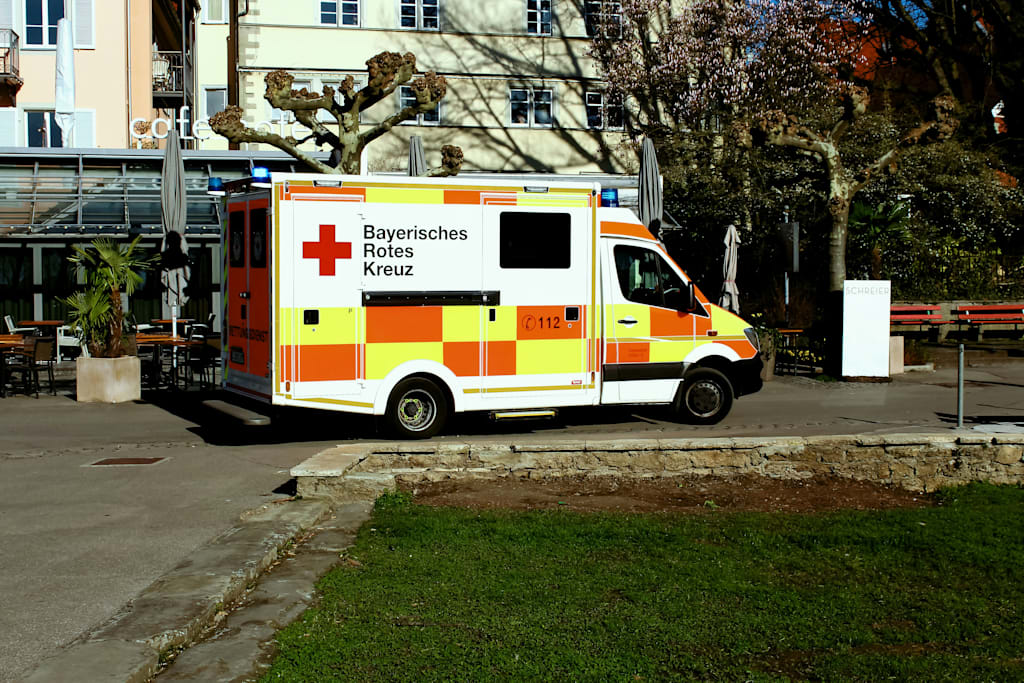
Natural disasters continue to test the strength of communities around the world. Hurricanes, floods, wildfires, tornadoes, and earthquakes can disrupt lives within minutes. As these events become more frequent and complex, emergency response organizations must find faster and more effective ways to deliver assistance. Consequently, mobile response units have emerged as one of the most important innovations in disaster relief.
Traditional response systems often depend on fixed facilities and established infrastructure. However, disasters frequently damage roads, buildings, and communication networks. Therefore, relief organizations need tools that can operate in unstable environments. Mobile response units provide that flexibility by bringing critical services directly to affected areas.
Moreover, these units allow responders to adapt quickly to changing conditions. Instead of waiting for temporary facilities to become operational, teams can deploy mobile resources almost immediately. As a result, communities receive help when they need it most.
Closing the Gap Between Crisis and Assistance
The first hours after a disaster often determine how effectively a community can recover. Families may lack access to food, water, medical care, and reliable information. Consequently, delays in aid delivery can increase hardship and uncertainty.
Mobile response units help close this gap. They travel directly into affected regions and provide immediate support where traditional services may no longer function. Furthermore, they reduce the time required to establish operations because they arrive equipped and ready to serve.
This speed creates a significant advantage during emergencies. Communities receive assistance sooner, and relief organizations can begin addressing urgent needs without unnecessary delays. Therefore, mobile response units have become a valuable resource in modern disaster management.
Their ability to move quickly also allows them to reach multiple locations as conditions evolve. This flexibility ensures that aid remains available even when circumstances change unexpectedly.
Bringing Essential Services to Impacted Communities
Disasters often interrupt access to basic services. Grocery stores may close, healthcare facilities may become overwhelmed, and communication systems may fail. As a result, residents can struggle to meet even their most fundamental needs.
Mobile response units help restore access to critical resources. They bring services directly into neighborhoods and communities affected by disaster. Consequently, people receive support closer to home and avoid the challenges of traveling through damaged areas.
In addition, these units often operate in locations where traditional infrastructure cannot function. Their mobility allows organizations to reach populations that might otherwise remain isolated.
This direct approach improves efficiency while reducing barriers to assistance. Therefore, mobile response units strengthen the overall effectiveness of disaster relief efforts.
Transforming Emergency Healthcare Delivery
Access to healthcare becomes especially important after a disaster. Injuries, chronic health conditions, and mental health concerns often increase during emergencies. However, damaged medical facilities can make treatment difficult to obtain.
Mobile medical units provide an effective solution. Healthcare professionals can deliver services directly within affected communities, ensuring that patients receive timely care. As a result, people gain access to treatment without traveling long distances or facing additional risks.
Furthermore, mobile healthcare teams can adapt to changing needs. They may focus on emergency treatment immediately after a disaster and later support ongoing recovery efforts. This flexibility helps communities maintain access to essential medical services throughout the recovery process.
The presence of mobile healthcare resources also provides reassurance. Residents know that professional support remains available despite disruptions to local infrastructure.
Restoring Communication and Coordination
Reliable communication plays a critical role during emergencies. Families need information about safety, available resources, and recovery efforts. Likewise, response organizations depend on communication to coordinate operations effectively.
Unfortunately, disasters often damage communication networks. Consequently, communities may experience confusion and uncertainty during already stressful situations.
Mobile response units frequently include communication capabilities that help restore connectivity. These resources support information sharing among emergency teams and residents. As a result, communities receive updates more quickly and can make informed decisions.
Improved communication also strengthens collaboration among relief organizations. When information moves efficiently, resources can be allocated more effectively, and response efforts become more organized.
Reaching Communities Beyond Urban Centers
Disaster relief often faces additional challenges in rural and remote regions. These communities may already have limited access to healthcare, transportation, and public services. Therefore, a disaster can create even greater obstacles.
Mobile response units help bridge this gap by bringing assistance directly to underserved areas. Their ability to travel into remote locations ensures that relief efforts reach people regardless of geography.
Additionally, rural communities often benefit from the flexibility these units provide. Responders can adjust routes, relocate services, and address emerging needs without relying on permanent infrastructure.
This mobility promotes fairness in disaster response. Consequently, more communities receive the support they need during critical moments.
Supporting Long-Term Recovery Efforts
Disaster relief does not end when the immediate emergency passes. Recovery often requires months of effort and sustained support. Families may need continued access to services while rebuilding homes, businesses, and community facilities.
Mobile response units play an important role during this phase. They continue providing resources while the permanent infrastructure undergoes repair or reconstruction. As a result, communities experience fewer disruptions during recovery.
Moreover, these units help maintain a visible presence in affected areas. Their continued operation reassures residents that support remains available as they work toward stability.
Long-term engagement often improves recovery outcomes. Communities that receive consistent assistance can rebuild more effectively and regain confidence more quickly.
Driving Innovation in Humanitarian Response
Technology continues to shape the future of emergency management. Mobile response units have benefited significantly from advances in communication, transportation, and data analysis. Consequently, they now offer capabilities that were unimaginable just a few decades ago.
Modern systems allow responders to assess conditions more accurately and allocate resources more efficiently. Furthermore, digital tools improve coordination among teams and support faster decision-making.
Innovation also increases operational flexibility. Mobile units can adapt to different disaster scenarios and serve a wide range of community needs. Therefore, they remain valuable assets in nearly every type of emergency.
As technology continues to evolve, these units will likely become even more effective. New capabilities will strengthen their role in disaster response and expand their impact on affected communities.
Building Stronger and More Resilient Communities
Beyond immediate relief, mobile response units contribute to community resilience. Their presence helps communities maintain access to essential services during crises and supports faster recovery afterward.
In many cases, these units also participate in preparedness activities before disasters occur. They help educate residents, strengthen local partnerships, and improve emergency planning efforts. Consequently, communities become better equipped to handle future challenges.
Resilience grows when people know they can rely on effective support systems. Mobile response units strengthen those systems by providing rapid, adaptable, and community-focused assistance.
The Future of Emergency Aid
Disasters will continue to challenge communities around the world. However, innovative solutions are helping relief organizations respond more effectively than ever before. Among these solutions, mobile response units stand out as a transformative force.
Their ability to deliver services directly to affected populations has changed the way emergency aid operates. They improve access, increase flexibility, and strengthen recovery efforts at every stage of a disaster.
As humanitarian organizations continue to embrace new technologies and strategies, mobile response units will remain at the forefront of disaster relief. More importantly, they will continue bringing hope, stability, and practical support to people facing some of the most difficult moments of their lives.
By placing essential services on the move, these units are not only improving disaster response. They are redefining what effective humanitarian aid looks like in the twenty-first century.
About the Creator
Convoy of Hope
Convoy of Hope, founded in 1994, is a faith-based humanitarian organization that provides disaster relief, children’s meals, agricultural training, and support for women and families worldwide.
Website: https://convoyofhope.org
Enjoyed the story? Support the Creator.
Subscribe for free to receive all their stories in your feed.
Comments