

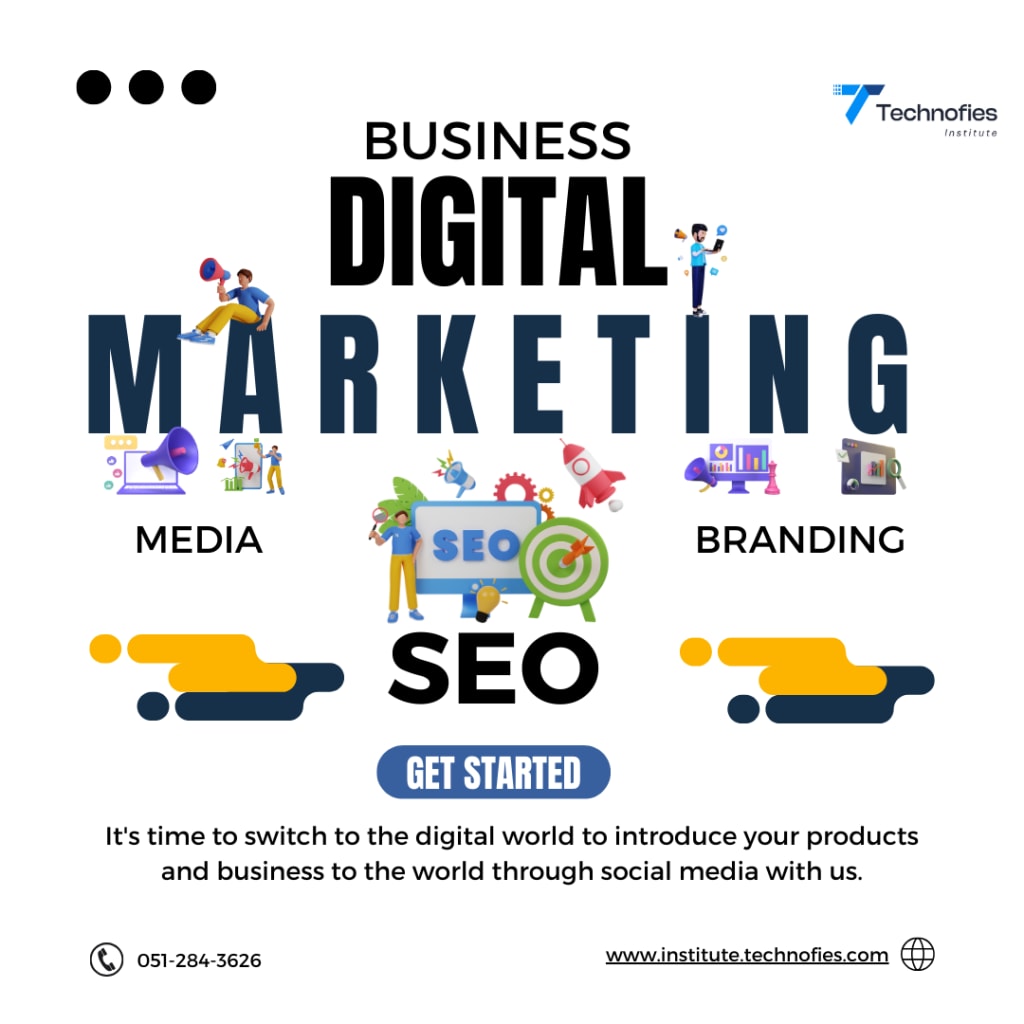
Digital Marketing
Digital marketing is more than just a buzzword; it's the backbone of modern business success. But what exactly is it? Simply put, digital marketing encompasses all online efforts to promote and market products or services. It's about connecting with your target audience where they spend most of their time—on the internet.
In today's fast-paced world, where everyone seems glued to their screens, the importance of digital marketing can't be overstated. Traditional marketing methods are still around, but they simply can't compete with the reach, precision, and cost-effectiveness of digital marketing.
Key Components of Digital Marketing
Let's dive into the building blocks that make digital marketing so powerful.
Search Engine Optimization (SEO)
SEO is like the secret sauce that makes your content discoverable. It involves optimizing your website and content to rank higher on search engine results pages (SERPs). The higher you rank, the more visible you are to potential customers.
SEO isn't just about stuffing keywords into your content. It's about creating valuable, relevant content that answers your audience's questions. Plus, it's essential to keep up with search engine algorithms that constantly evolve.
Content Marketing
Content is king, and in digital marketing, it's the foundation. Content marketing involves creating and sharing valuable content to attract and engage your target audience. This content can take many forms, from blog posts and videos to infographics and podcasts.
But it's not just about producing content; it's about delivering the right content at the right time. Knowing your audience's needs and preferences is crucial for effective content marketing.
Social Media Marketing (SMM)
Social media isn't just for sharing cat memes; it's a powerful marketing tool. SMM involves using social media platforms like Facebook, Instagram, Twitter, and LinkedIn to promote your brand, engage with your audience, and drive traffic to your website.
Each platform has its unique strengths, so it's essential to tailor your approach accordingly. Whether you're building brand awareness or driving sales, social media marketing can help you achieve your goals.
Pay-Per-Click Advertising (PPC)
PPC is a form of online advertising where you pay a fee each time someone clicks on your ad. It's a way to buy visits to your site rather than earning them organically. Google Ads is the most popular PPC platform, but there are others like Bing Ads and social media ads.
PPC is highly targeted, allowing you to reach the right audience at the right time. It's a great way to generate leads and drive conversions, especially when combined with other digital marketing strategies.
Email Marketing
Despite the rise of social media, email marketing remains one of the most effective ways to connect with your audience. It involves sending targeted emails to your subscribers, offering them value and encouraging them to take action.
Email marketing is personal, direct, and measurable. You can track open rates, click-through rates, and conversions, making it easy to see what's working and what isn't.
Understanding the Digital Marketing Funnel
The digital marketing funnel represents the journey potential customers take from first discovering your brand to becoming loyal customers. Understanding this funnel is crucial for creating effective marketing strategies.
Stages of the Digital Marketing Funnel
Awareness
This is the stage where potential customers first learn about your brand. Your goal is to attract as many people as possible through SEO, content marketing, and social media.
Consideration
At this stage, potential customers are aware of your brand and are considering their options. Content that educates and builds trust is key here.
Conversion
This is where the magic happens—when a potential customer takes the desired action, whether it's making a purchase, signing up for a newsletter, or requesting a quote.
Digital Marketing Strategies
Crafting a solid digital marketing strategy is like building a house—you need a plan, the right tools, and a clear vision of the finished product.
Developing a Digital Marketing Plan
Your digital marketing plan is your roadmap to success. It outlines your goals, target audience, budget, and the strategies you'll use to achieve your objectives. It's essential to be clear, realistic, and flexible with your plan.
Setting SMART Goals for Your Campaigns
SMART goals are Specific, Measurable, Achievable, Relevant, and Time-bound. They provide a clear path to success and make it easier to track your progress. For example, instead of saying, "I want more website traffic," a SMART goal would be, "I want to increase website traffic by 20% in the next three months."
Target Audience Analysis
Understanding your target audience is the foundation of any successful digital marketing campaign. Who are they? What are their needs and pain points? Where do they hang out online? The more you know about your audience, the better you can tailor your content and messaging to resonate with them.
SEO Strategies for Digital Marketing
SEO is a marathon, not a sprint. It requires ongoing effort and a strategic approach to see results.
On-Page SEO Techniques
On-page SEO involves optimizing individual pages on your website to rank higher and earn more relevant traffic. This includes optimizing meta tags, using the right keywords, and ensuring your content is valuable and engaging.
Off-Page SEO Techniques
Off-page SEO refers to actions taken outside your website to impact your rankings within SERPs. This includes building high-quality backlinks, social media marketing, and influencer outreach.
Importance of Keyword Research
Keyword research is the foundation of SEO. It involves identifying the terms and phrases your target audience is searching for and incorporating them into your content. But beware—keyword stuffing can do more harm than good. The key is to use keywords naturally and contextually.
Content Marketing Strategies
Creating great content is only half the battle—you also need a strategy to distribute it and measure its success.
Creating Engaging Content
Engaging content is informative, entertaining, and relevant to your audience. It addresses their needs and solves their problems. But it's not just about writing—visual content like videos and infographics can also be incredibly engaging.
Content Distribution Channels
Once you've created your content, you need to get it in front of your audience. Social media, email newsletters, and SEO are all effective ways to distribute your content. Don't forget about repurposing content, too—turning a blog post into a video or infographic can help you reach a wider audience.
About the Creator
Technofies Institute
Technofies Institute offers cutting-edge tech education in web development, AI, data science, and digital marketing. With expert instructors and flexible learning options.
Enjoyed the story? Support the Creator.
Subscribe for free to receive all their stories in your feed.
Comments
There are no comments for this story
Be the first to respond and start the conversation.