
Demystifying Common Network Protocols: A Comprehensive Guide
Unlocking the Secrets of Networking: A Guide to Essential Protocols
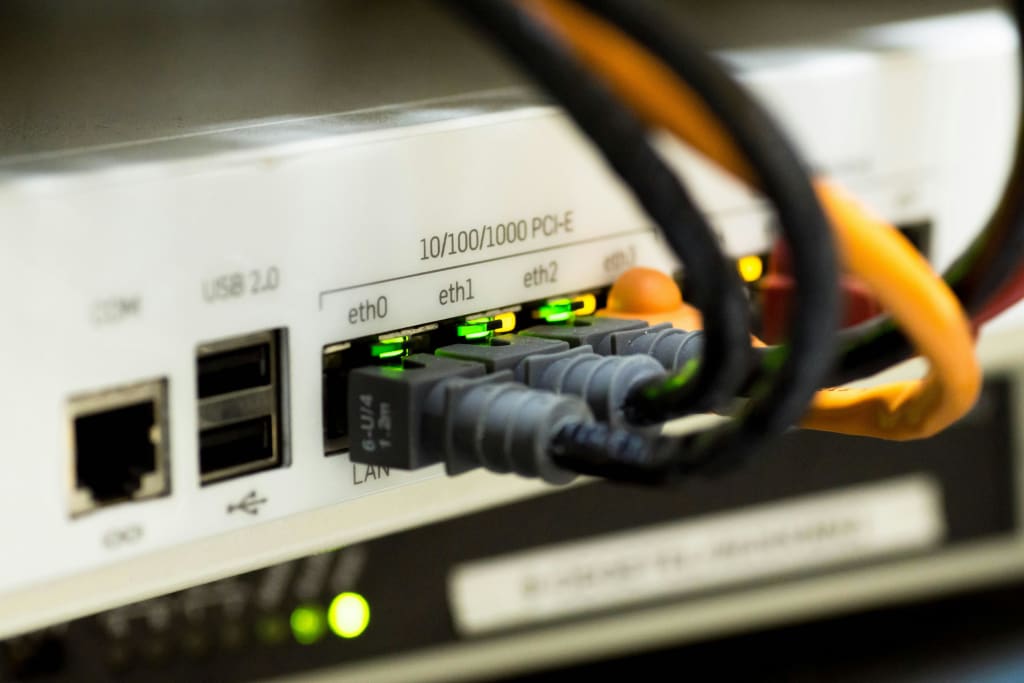
Understanding network protocols is crucial in today's digital era, particularly for those interested in hacking and cybersecurity. While tools like Wireshark can be potent, a strong grasp of network protocols establishes the groundwork for effective utilization. In this guide, we will delve into the essential protocols that underpin modern networking, providing you with the expertise to maneuver the digital terrain with assurance.
IP Addresses: The Digital Backbone
At the heart of the digital world are IP addresses, serving as the digital world's equivalent of physical addresses. These addresses facilitate various activities, ranging from email communication to video conferencing and web browsing. Every digital device, whether a computer, phone, or tablet, receives a unique IP address, enabling connectivity and communication. Understanding the differentiation between public and private IP addresses is vital. Due to the scarcity of IPv4 addresses, a system was devised to recycle a set of IP addresses within local area networks (LANs), termed private IP addresses. These addresses, such as 192.168.x.x, are reserved for internal network communication and necessitate translation into public IP addresses for internet communication through Network Address Translation (NAT) devices.
Dynamic Host Configuration Protocol (DHCP): Managing IP Addresses Dynamically
DHCP assigns IP addresses dynamically to devices connecting to a network, simplifying IP address management within LANs. Unlike static IP addresses, DHCP assigns a new IP address to a device each time it connects to a LAN, optimizing the utilization of available IP addresses.
Internet Protocol (IP): Guiding Data Packets
IP acts as a guide for data packets on the internet, directing them to their source and destination. Coupled with protocols like TCP to create TCP/IP, IP plays a fundamental role in data transmission. Understanding the elements of an IP packet header, from version and header length to packet size and fragmentation details, is invaluable for network exploration, hacking endeavors, or forensic investigations.
Transmission Control Protocol (TCP): Ensuring Reliable Communication
TCP establishes reliable connections between devices on a network. Through mechanisms like the three-way handshake, TCP guarantees data integrity and orderly transmission. Grasping the TCP header fields, including sequence numbers, acknowledgment numbers, and flags, is critical for analyzing network traffic and identifying potential security threats.
User Datagram Protocol (UDP): Lightweight Communication
In contrast to TCP, UDP adopts a more lightweight approach to communication, prioritizing speed over reliability. Preferred for applications like streaming media and online gaming where occasional packet loss is acceptable, UDP is utilized.
Address Resolution Protocol (ARP): Matching IP to MAC Addresses
ARP converts logical IP addresses to physical MAC addresses, facilitating communication between devices on an Ethernet network. Although essential for seamless network communication, ARP lacks authentication, rendering it susceptible to exploitation by attackers.
Domain Name System (DNS): Navigating the Internet
DNS translates domain names into IP addresses, simplifying internet navigation for users. Despite advancements in security, DNS remains a target for attackers aiming to gather information or redirect network traffic.
File Transfer Protocol (FTP): Sharing Files Securely
FTP enables file transfers between devices on a network, although its usage has dwindled with the ascent of HTTP for file transfers. Nonetheless, FTP remains a prevalent protocol for secure file sharing in environments prioritizing data security.
Simple Mail Transfer Protocol (SMTP): Moving Emails Across Networks
SMTP forms the foundation of email communication, ensuring the transmission of messages between users. While SMTP has evolved over time, it remains a fundamental protocol for managing emails.
Simple Network Management Protocol (SNMP): Monitoring Network Devices
SNMP allows the monitoring and management of network devices, empowering administrators to collect information and preserve network integrity. However, SNMP's significance also makes it a prime target for attackers aiming to exploit vulnerabilities for malicious intentions.
Telnet: Remote Connectivity
Telnet offers remote access to computers and devices over a network, though its inadequate security features have led to its declining usage in favor of more secure protocols like SSH.
HTTP Protocol: Enabling Web Communication
HTTP serves as the primary protocol for communication between web browsers and servers, facilitating the transfer of web pages and multimedia content across the internet.
In conclusion, a robust comprehension of common network protocols is essential for navigating the intricacies of modern networking and cybersecurity. Whether you are a novice enthusiast or a seasoned hacker, mastering these protocols equips you with the knowledge to navigate the digital landscape confidently and adeptly.
About the Creator
Dream Quay
Passionate tech enthusiast and content creator exploring the latest innovations in the digital realm. From AI to blockchain, I strive to unravel complex concepts and deliver insightful articles for curious minds.
Enjoyed the story? Support the Creator.
Subscribe for free to receive all their stories in your feed.
Comments
There are no comments for this story
Be the first to respond and start the conversation.