
Decoding the results of a puzzle that took more than 3 centuries to get an answer!
Riddle
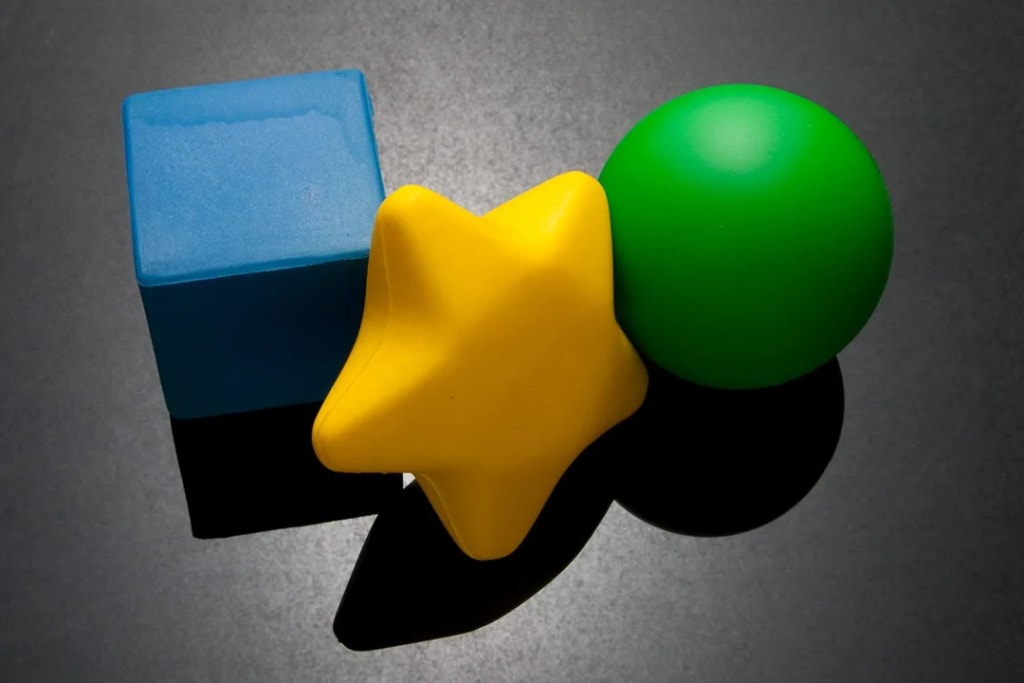
The puzzle from 1688 to 2003 carried a mystery spanning over three centuries, posing a significant challenge to human intelligence and understanding. As of 1688, this puzzle remained an enigma, posing a profound question about the capabilities of the mind and senses. The puzzle raised the issue of whether a person born blind could distinguish different shapes solely through the sense of sight after undergoing visual restoration through surgery. For over three centuries, this puzzle stood as an unforeseen challenge until 2003 when five individuals underwent visual restoration surgery, finally providing an answer. The result was a surprising discovery: these individuals couldn't differentiate objects solely through vision, opening a fascinating window into the complexity and multifaceted nature of the human mind. This demonstrates that sometimes puzzles are not just about finding answers but also about delving deep into the essence of knowledge and intelligence.
Exploring the Psychological Benefits of Solving Puzzles:
Enhancing Memory: Solving puzzles requires recalling information and stimulating the brain, thus improving memory.
Critical Thinking: Faced with puzzles, solvers need to employ critical thinking to analyze information, evaluate options, and solve problems effectively.
Problem-Solving Skills: The process of puzzle-solving helps develop problem-solving skills by encouraging individuals to think creatively and logically to find solutions.
Discussing Psychological Mechanisms Related to Puzzle Solving:
Pattern Recognition: Puzzle-solving often involves recognizing patterns within the problem or clues provided, helping individuals make connections and draw conclusions.
Lateral Thinking: Solvers may employ lateral thinking, thinking outside the box, to approach puzzles from unconventional angles and find innovative solutions.
Patience: Puzzle-solving requires patience as individuals work through challenges, persistently attempting different strategies until they succeed.
Exploring Therapeutic Effects of Puzzles on Mental Health:
Stress Reduction: Engaging in puzzle-solving can act as a stress-reliever, offering a temporary escape from daily pressures and worries.
Mood Improvement: The sense of accomplishment and satisfaction gained from solving puzzles can contribute to mood enhancement and overall well-being.
Puzzles in Education:
Educational Value: Puzzles play a valuable role in promoting learning and skill development, particularly in subjects like mathematics, language arts, and problem-solving.
Integration into Curriculum: Discuss how puzzles can be integrated into educational curricula to enhance engagement, retention, and critical thinking skills among students.
Home Education: Explore how puzzles can be utilized in homeschooling programs to supplement learning, foster curiosity, and reinforce concepts outside of traditional classroom settings.
By understanding the psychological benefits and mechanisms behind puzzle-solving, educators and individuals alike can leverage puzzles as effective tools for cognitive development, stress relief, and educational enrichment.
Brain Teasers for Kids - Riddles for the Whole Family
“The mind once stretched by a new idea, never returns to its original dimensions.” Ralph Waldo Emerson
This kids book is a collection of 300 brain teasing riddles and puzzles. Their purpose is to encourage children to think and stretch their minds. They are designed to test logic, lateral thinking as well as memory and to engage the brain in seeing patterns and connections between different things and circumstances.
They are laid out in three chapters which get more difficult as you go through the book, in the author’s opinion at least. The answers are at the back of the book if all else fails.
These are more difficult riddles for kids and are designed to be attempted by children from 10 years onwards, as well as participation from the rest of the family.
It is a perfect activity book for kids who like problem solving. These activities can be shared with the whole family.
This book is one of a series of puzzle books for kids. The aim of all of them is to stretch children’s brains through kids riddles and puzzles. They are kids books designed to challenge children to think laterally and more creatively.
About the Creator
Enjoyed the story? Support the Creator.
Subscribe for free to receive all their stories in your feed.
Comments
There are no comments for this story
Be the first to respond and start the conversation.