
Data Science to Improve Predictions of Crop Yield in Agriculture
In this blog, we’ll explore how data science is enhancing crop yield predictions and how you can develop the necessary skills through a data science course to contribute to the future of agriculture.
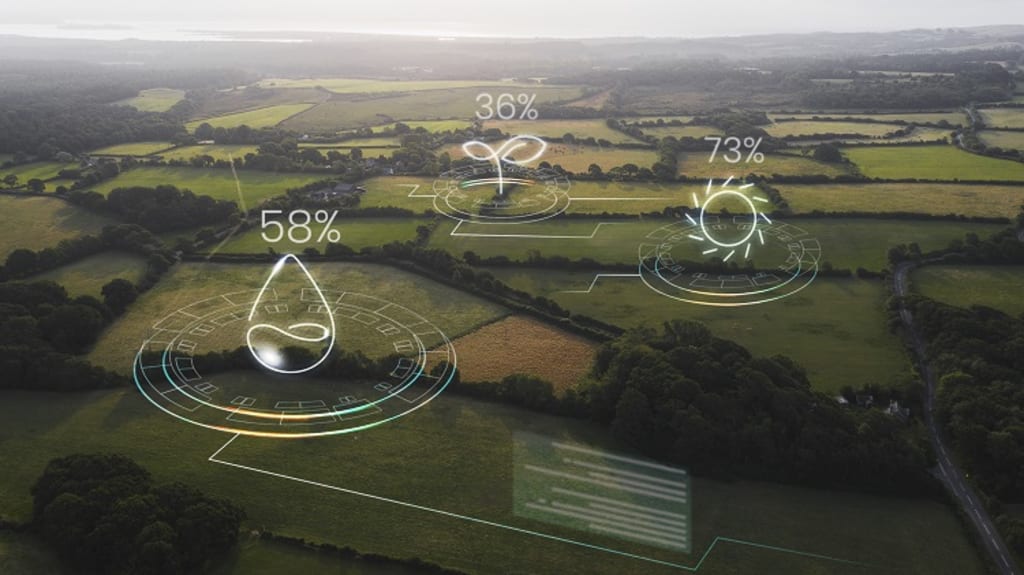
Agriculture is the backbone of many economies around the world, providing the essential food and raw materials needed for a growing global population. In recent years, data science has become an increasingly important tool in agriculture, helping farmers optimize their practices and predict crop yields more accurately. The use of data science techniques for crop yield prediction is transforming the agricultural landscape, allowing for more informed decision-making and sustainable farming practices.
Understanding Crop Yield Prediction
Crop yield prediction involves estimating the amount of produce a farmer can expect from a specific area of land at harvest time. This prediction is crucial for farmers to plan for market demand, optimize resource usage, and reduce risks. Traditionally, crop yield prediction relied on expert knowledge, historical data, and weather forecasts. However, with the advent of data science, more advanced and accurate models have emerged, leveraging large datasets and powerful algorithms to predict yields with greater precision.
Farmers now have access to data from multiple sources, including satellite images, weather stations, soil sensors, and historical records. By combining and analyzing this data with machine learning models, data scientists can predict crop yields based on various factors such as soil conditions, weather patterns, and crop varieties. A data science institute can provide the foundational skills necessary to analyze these complex datasets and build predictive models for crop yield forecasting.
How Data Science Enhances Crop Yield Prediction
Data science is transforming crop yield predictions by allowing farmers to incorporate various factors that were previously difficult to analyze. One key area where data science plays a role is in the use of machine learning algorithms to process large volumes of data. By applying predictive analytics to datasets from multiple sources, data scientists can create models that provide more accurate predictions of crop yields.
Satellite Imaging and Remote Sensing
One of the most significant advancements in crop yield prediction has been the use of satellite imagery and remote sensing technology. Satellites can capture images of vast agricultural areas, providing valuable insights into crop health, soil moisture, temperature, and other environmental factors. These images are then analyzed using computer vision and machine learning techniques to detect patterns and anomalies that may affect crop growth.
By integrating satellite data with weather forecasts and soil sensor information, farmers can receive real-time insights into their crops' health, enabling them to make more informed decisions about irrigation, fertilization, and pest control. A data scientist course can teach you how to work with satellite data and apply machine learning techniques to generate accurate predictions of crop yields.
Climate and Weather Data
Climate and weather patterns have a direct impact on crop growth and yield. Data scientists analyze weather data, such as temperature, precipitation, humidity, and wind speed, to assess how these factors influence crop development. Machine learning models can be trained to identify correlations between weather variables and past crop yields, allowing farmers to predict how current weather conditions will impact future harvests.
In addition to historical weather data, real-time data from weather stations can be incorporated into predictive models to adjust yield forecasts throughout the growing season. With the help of data science, farmers can take proactive measures to mitigate risks from adverse weather conditions, such as droughts or heavy rainfall, and optimize their crop management strategies.
Soil Health and Fertility
The health and fertility of the soil are essential for crop growth. Data scientists use sensor data from soil probes to monitor key indicators like soil moisture, temperature, and nutrient levels. This data is then used to predict how the soil will support crop growth and what adjustments need to be made to optimize yield.
By integrating soil health data with other variables like weather and satellite imagery, farmers can gain a comprehensive understanding of their land’s potential and make decisions based on a holistic view of their farm’s health. Data science tools allow for the automation of soil analysis, providing real-time feedback and helping farmers monitor soil conditions on a regular basis.
Crop Varieties and Genomic Data
Different crop varieties perform better under specific environmental conditions, and genomic data can help predict how certain crops will perform in varying climates. By analyzing genomic data along with environmental variables, data scientists can identify crop varieties that are likely to thrive in a particular region.
This is especially important in regions facing the challenges of climate change, where shifts in temperature and weather patterns may require farmers to switch to more resilient crop varieties. Data science models can analyze genetic traits in crops and predict which ones are best suited to changing environmental conditions, helping farmers improve their yields and reduce the risk of crop failure.
The Role of Data Science in Precision Agriculture
Precision agriculture is an innovative approach to farming that uses data and technology to optimize crop production. Data science plays a central role in precision agriculture by providing farmers with detailed, actionable insights that help them make data-driven decisions.
By combining data from various sources, such as soil sensors, weather stations, and satellite imagery, precision agriculture technologies allow farmers to tailor their practices to the specific needs of their crops. This means farmers can apply the right amount of water, nutrients, and pesticides at the right time, minimizing waste and maximizing crop yield.
Using data science to monitor soil moisture levels can help farmers optimize irrigation systems, ensuring that crops receive the right amount of water without overwatering. This not only improves crop yield but also reduces water usage, making farming more sustainable. A data scientist training can teach you how to apply machine learning and predictive analytics to precision agriculture, helping you create solutions that improve productivity and sustainability.
The Future of Data Science in Agriculture
The future of data science in agriculture is bright, with ongoing advancements in technology and the availability of more diverse data sources. The integration of artificial intelligence (AI) and deep learning techniques will further enhance crop yield predictions, making them more accurate and dynamic. For instance, AI can help process unstructured data, such as farmer reports or images, and generate insights that were previously difficult to extract.
As the demand for food continues to rise, data science will play an even more critical role in optimizing crop production. By applying advanced predictive models and automation, farmers will be able to increase yield while minimizing environmental impact. With the ever-growing need for innovation in agriculture, the demand for skilled data scientists will also rise. By enrolling in a data scientist certification you can gain the skills necessary to contribute to the future of agriculture, from improving crop yields to developing sustainable farming practices.
Data science is revolutionizing the way farmers predict crop yields and manage their operations. By leveraging satellite imagery, weather data, soil sensors, and machine learning techniques, data scientists are helping farmers make more informed decisions that optimize crop production and reduce risks. As agricultural challenges such as climate change and population growth continue to evolve, data science will remain at the forefront of innovations that drive more sustainable and efficient farming practices.
If you're interested in working with data to solve real-world problems in agriculture, enrolling in a data science course is a great way to get started. With the right skills, you can contribute to the development of predictive models and advanced technologies that will shape the future of agriculture. Whether through precision farming, crop variety selection, or environmental monitoring, data science offers numerous opportunities to enhance crop yield predictions and support global food security.
About the Creator
Enjoyed the story? Support the Creator.
Subscribe for free to receive all their stories in your feed.
Comments
There are no comments for this story
Be the first to respond and start the conversation.