
Data Science
Introduction to Data Science: Concepts and Techniques


In today's digital age, data is being generated at an unprecedented rate. From social media interactions to online transactions, we are constantly producing vast amounts of data. However, raw data alone is of little use unless it is processed, analyzed, and transformed into actionable insights. This is where data science comes into play. Data science is a multidisciplinary field that combines scientific methods, algorithms, and systems to extract knowledge and insights from structured and unstructured data. In this article, we will explore the fundamental concepts and techniques of data science.
Understanding Data Science:
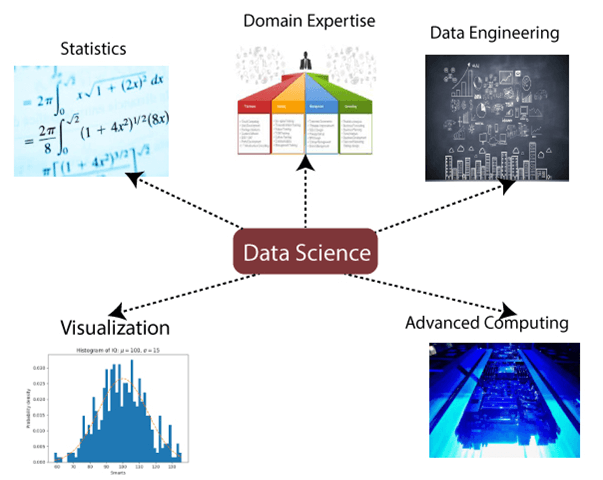
Data science involves the use of scientific methods, algorithms, and tools to extract knowledge and insights from data. It combines elements of statistics, mathematics, computer science, and domain expertise to analyze and interpret complex data sets. Data scientists employ various techniques such as data mining, machine learning, and visualization to uncover patterns, make predictions, and derive valuable insights.
Data Collection and Preparation:
The first step in any data science project is data collection. This involves identifying relevant data sources and gathering the required data. The data may be obtained from various sources such as databases, APIs, or even scraping from websites. Once the data is collected, it needs to be cleaned and prepared for analysis. This includes removing duplicates, handling missing values, and transforming the data into a suitable format.
Exploratory Data Analysis (EDA):
Exploratory Data Analysis is a crucial step in the data science process. It involves analyzing and summarizing the main characteristics of the data using descriptive statistics and visualizations. EDA helps in understanding the distribution of variables, identifying outliers, and detecting patterns or correlations among different variables. It provides insights that guide further analysis and modeling.
Data Mining and Machine Learning:
Data mining and machine learning techniques play a significant role in data science. Data mining involves discovering patterns, relationships, and insights from large datasets. It employs various algorithms like clustering, classification, and association rule mining. Machine learning, on the other hand, focuses on the development of models and algorithms that enable computers to learn from data and make predictions or decisions without being explicitly programmed.
Predictive Modeling:
Predictive modeling is a key aspect of data science. It involves using historical data to build models that can predict future outcomes. The models can be as simple as linear regression or as complex as deep neural networks. The choice of model depends on the nature of the problem and the available data. The models are trained using labeled data and then applied to new, unseen data to make predictions.
Data Visualization:
Data visualization is the process of presenting data in a graphical or pictorial format. It helps in understanding complex patterns and relationships in the data, making it easier to communicate findings and insights to non-technical stakeholders. Data scientists use various visualization tools and techniques to create meaningful and interactive visual representations of data, such as charts, graphs, and maps.
Ethical Considerations:
As data science becomes more pervasive, ethical considerations become increasingly important. Data scientists must be aware of potential biases in the data and ensure that their analysis is fair and unbiased. They must also protect individuals' privacy and adhere to legal and regulatory frameworks governing data usage. Responsible data science involves ethical decision-making and transparency in the use of data.
In conclusion, data science is a rapidly evolving field that harnesses the power of data to derive insights and drive informed decision-making. By leveraging various techniques such as data mining, machine learning, and visualization, data scientists are able to unlock valuable information from vast amounts of data. Understanding the concepts and techniques of data science is essential for organizations and individuals to effectively analyze and interpret data and gain a competitive edge in today's data-driven world.
About the Creator
SUSILKUMAR S
I am dedication and commitment to their craft have earned them a loyal following, and they continue to captivate their audience with fresh, well-crafted content on a regular basis. Their blog serves as a reliable destination for individual
Enjoyed the story? Support the Creator.
Subscribe for free to receive all their stories in your feed.
Comments
There are no comments for this story
Be the first to respond and start the conversation.