
Data Analytics on Mobile App Performance
For those looking to dive deep into these techniques, a data analytics course can provide the expertise needed to leverage these insights effectively.
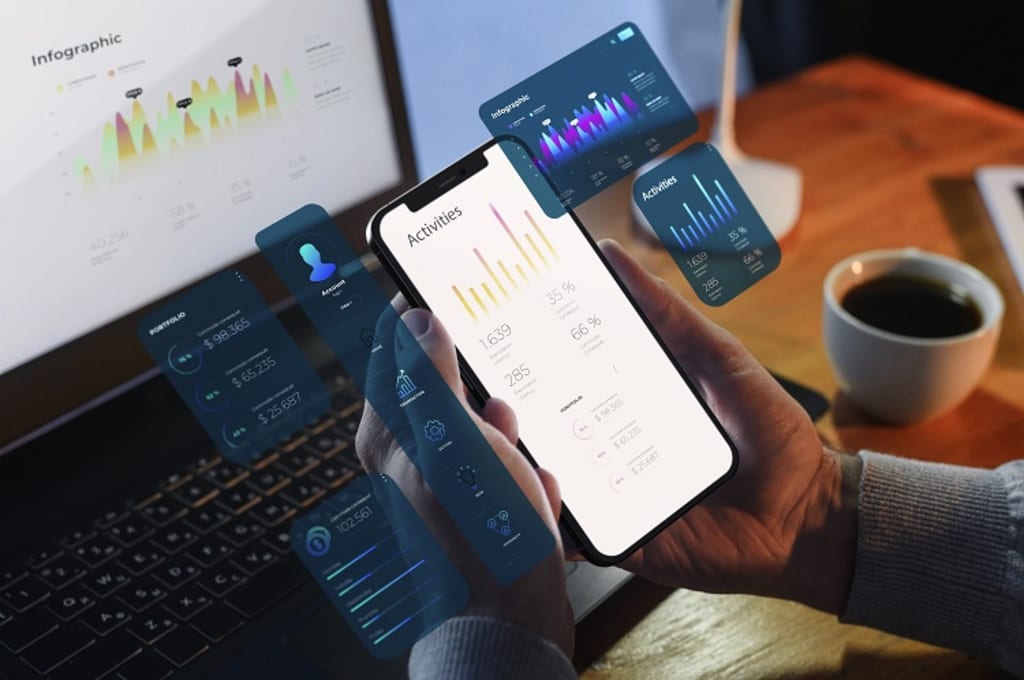
In today's digital landscape, mobile applications are essential for businesses aiming to engage customers and drive growth. As competition intensifies, ensuring that your mobile app performs optimally is crucial for maintaining user satisfaction and achieving business goals. Data analytics plays a pivotal role in enhancing mobile app performance by providing insights into user behavior, app usage patterns, and potential issues.
Understanding Mobile App Performance
Mobile app performance encompasses various factors, including speed, reliability, user experience, and functionality. High-performing apps are crucial for retaining users and ensuring a positive user experience. By analyzing performance metrics such as load times, crash rates, and user engagement, developers can identify areas for improvement and optimize their applications accordingly.
Data analytics offers valuable insights into these performance metrics by processing data from app usage, user interactions, and system logs. A data analytics course can provide the foundational knowledge necessary to analyze this data effectively, helping to enhance app performance and user satisfaction.
Analyzing User Behavior and Engagement
Understanding how users interact with your app is essential for optimizing performance and improving user experience. Data analytics allows you to track and analyze user behavior, such as which features are most frequently used, how long users spend on the app, and where they encounter issues.
By analyzing user flow data, you can identify which screens or features lead to higher engagement and which ones cause users to drop off. This insight helps prioritize feature improvements and optimize the app's design. A data analytics training equips you with the skills to interpret user behavior data and make data-driven decisions to enhance app performance.
Monitoring App Performance Metrics
Performance metrics such as load times, crash reports, and error rates are critical for maintaining a high-quality mobile app. Data analytics tools can monitor these metrics in real-time, providing insights into the app's performance and highlighting potential issues.
By analyzing crash reports and error logs, developers can identify patterns and root causes of crashes, allowing them to address these issues promptly. Additionally, monitoring load times helps ensure that the app runs smoothly and efficiently. A data analytics certification can teach you how to utilize performance monitoring tools and interpret the resulting data to enhance app performance.
Optimizing User Experience
User experience (UX) is a crucial factor in mobile app success. Data analytics can help optimize UX by analyzing feedback, user behavior, and usability metrics. By understanding how users interact with the app and where they encounter difficulties, you can make informed design and functionality improvements.
Heatmaps and click tracking can reveal which areas of the app receive the most attention and which areas may be confusing or underused. This information helps in making design adjustments that improve overall user satisfaction. A data analytics institute provides the knowledge to analyze UX data and implement changes that enhance the app's usability.
Personalizing User Interactions
Personalization can significantly impact user engagement and satisfaction. Data analytics enables you to tailor the app experience to individual users based on their preferences, behavior, and historical data.
By analyzing user activity and preferences, you can recommend personalized content or features that are relevant to each user. This approach enhances the user experience and increases engagement. A data analytics course can teach you how to analyze user data and implement personalization strategies that drive app performance and user satisfaction.
Enhancing App Security and Reliability
Ensuring app security and reliability is vital for maintaining user trust and protecting sensitive data. Data analytics can help identify potential security vulnerabilities and monitor app performance to prevent issues before they arise.
Analytics can detect unusual patterns or behaviors that may indicate security threats, such as unauthorized access attempts or data breaches. Additionally, real-time monitoring helps in identifying and addressing performance issues promptly, ensuring that the app remains reliable and secure. A data analytics course provides the skills to analyze security data and implement strategies that enhance app security and reliability.
Data analytics is a powerful tool for enhancing mobile app performance by providing insights into user behavior, performance metrics, user experience, personalization, and security. By leveraging these insights, developers can optimize their apps, improve user satisfaction, and achieve business objectives.
For those looking to master these techniques, a data analytics course offers valuable training and practical skills. These courses cover essential methodologies for analyzing app data, interpreting performance metrics, and implementing optimization strategies.
Investing in a data analytics course not only enhances your ability to drive mobile app performance but also positions you as a leader in a field that is critical for business success. As data analytics continues to evolve, your expertise will be crucial in developing high-performing, user-centric mobile applications that stand out in a competitive market.
About the Creator
Enjoyed the story? Support the Creator.
Subscribe for free to receive all their stories in your feed.
Comments
There are no comments for this story
Be the first to respond and start the conversation.