
Daily German Words & Phrases:
Your Guide to Learning German Every Day!
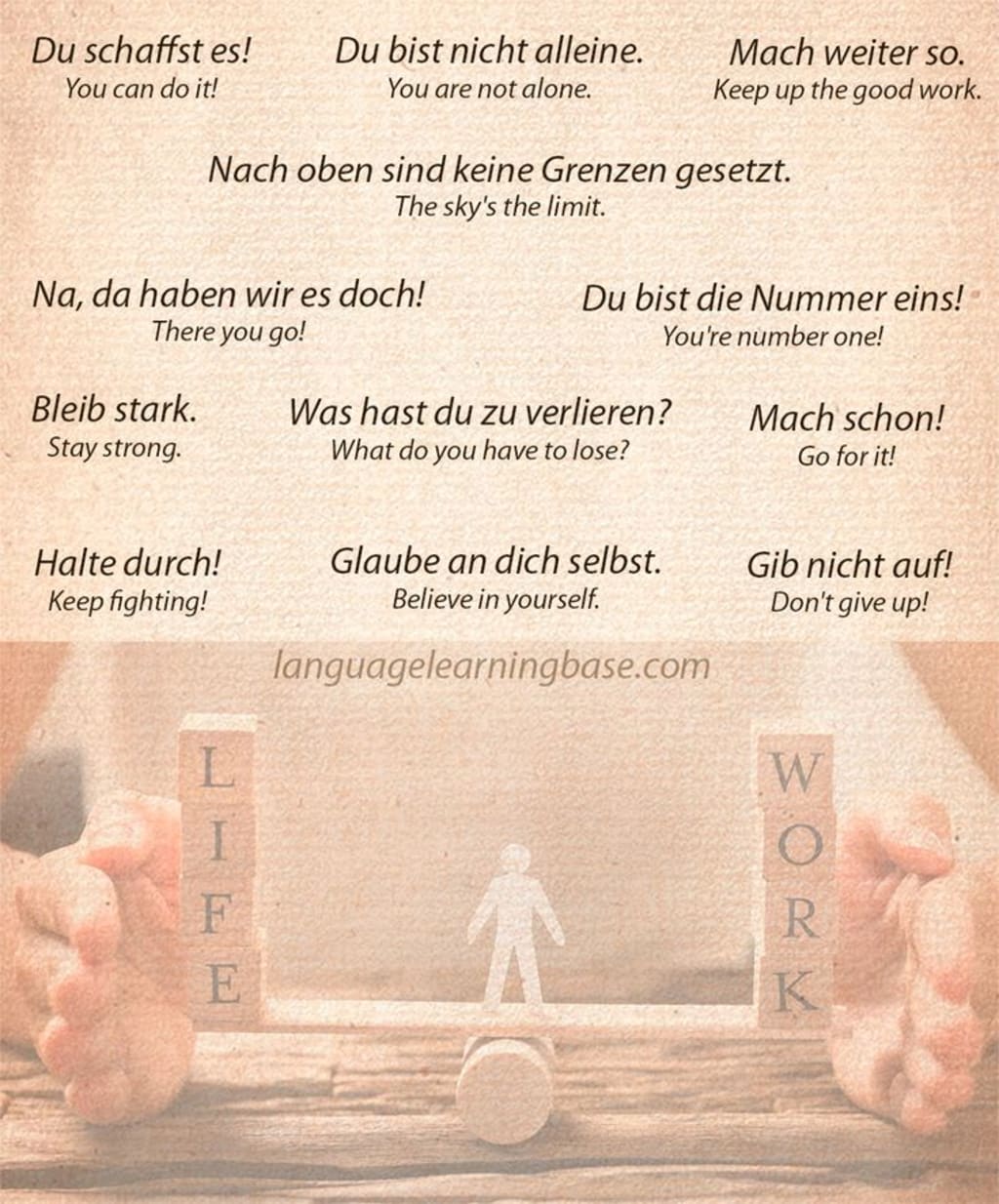
Learning a German language doesn’t have to be overwhelming. With just a few minutes each day, you can build a strong foundation in German by adding words and phrases to your vocabulary. In this “Daily German Words & Phrases” series, we’ll introduce a new word or phrase daily, complete with pronunciation tips, meaning, and example sentences. Whether you’re a beginner or looking to brush up on your German, this daily dose of vocabulary will keep you moving forward, one word at a time!
Why Learn German Words & Phrases Daily?
Consistency is key when learning a language. By learning just a single word or phrase each day, you’ll gradually expand your vocabulary and improve your language retention. Over time, you’ll start to recognize patterns, improve your pronunciation, and feel more comfortable forming sentences. The best part? You can fit it into even the busiest schedule!
Here’s a sample article for a “Daily German Words & Phrases” series. This could work as a blog post or as an introductory piece for social media to set the stage for daily posts.
Daily German Words & Phrases: Your Guide to Learning German Every Day!
Learning a new language doesn’t have to be overwhelming. With just a few minutes each day, you can build a strong foundation in German by adding words and phrases to your vocabulary. In this “Daily German Words & Phrases” series, we’ll introduce a new word or phrase daily, complete with pronunciation tips, meaning, and example sentences. Whether you’re a beginner or looking to brush up on your German, this daily dose of vocabulary will keep you moving forward, one word at a time!
Why Learn German Words & Phrases Daily?
Consistency is key when learning a language. By learning just a single word or phrase each day, you’ll gradually expand your vocabulary and improve your language retention. Over time, you’ll start to recognize patterns, improve your pronunciation, and feel more comfortable forming sentences. The best part? You can fit it into even the busiest schedule!
How to Get the Most Out of Daily Vocabulary Learning
Practice Speaking Aloud: Saying words and phrases out loud helps solidify them in your memory and improves pronunciation.
Use in Sentences: Try creating your sentences using the new word or phrase. This is great practice for conversation.
Review Regularly: At the end of each week, go over the words you learned to ensure you remember them.
Stay Consistent: Dedicate a few minutes daily to learn a new word or phrase—it’s this habit that builds fluency over time.
Example Phrases to Get Started
Here are some sample words and phrases to start with, showing how each day’s vocabulary entry might look:
Day 1: Hallo
Meaning: Hello
Pronunciation: HAH-loh
Example Sentence: Hallo! Wie geht’s? (Hello! How are you?)
Usage Tip: “Hallo” is a casual greeting, suitable for friends, family, and people of all ages.
Day 2: Bitte
Meaning: Please / You’re welcome
Pronunciation: BIH-teh
Example Sentence: Kannst du mir helfen, bitte? (Can you help me, please?)
Usage Tip: “Bitte” is versatile—use it when asking politely or when responding with “you’re welcome.”
Day 3: Tschüss
Meaning: Bye
Pronunciation: CHUE-ss
Example Sentence: Tschüss! Bis morgen! (Bye! See you tomorrow!)
Usage Tip: “Tschüss” is informal and friendly, ideal for goodbyes with friends and family.
Day 4: Danke
Meaning: Thank you
Pronunciation: DAHN-keh
Example Sentence: Danke für deine Hilfe! (Thank you for your help!)
Usage Tip: One of the most important words in any language! Use “danke” to show gratitude.
Day 5: Entschuldigung
Meaning: Excuse me / Sorry
Pronunciation: Ent-SHOOL-dee-goong
Example Sentence: Entschuldigung, wo ist der Bahnhof? (Excuse me, where is the train station?)
Usage Tip: Great for getting someone’s attention or apologizing for small mishaps.
Beyond Vocabulary: Connecting Words to Culture
German isn’t just a language—it’s a gateway to understanding German culture, people, and perspectives. By learning a new word daily, you’re also immersing yourself in how Germans express themselves, which can give insights into their values and everyday life. For example, words like “Gemütlichkeit” (a feeling of coziness and warmth) offer a glimpse into German culture’s appreciation for comfort and social bonding.
About the Creator
Enjoyed the story? Support the Creator.
Subscribe for free to receive all their stories in your feed.
Comments
There are no comments for this story
Be the first to respond and start the conversation.