
Cybersecurity in IoT: The AI-Driven Future of Smart Device Protection
AI-Powered Defense: Securing the Future of IoT in a Cyber-Threatened World
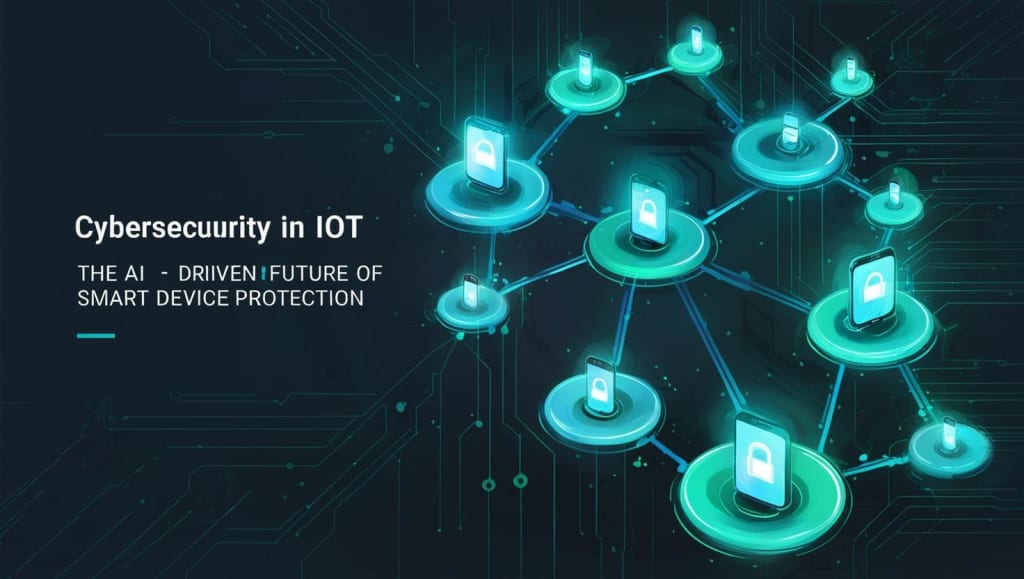
IoT is revolutionizing the way we live and work. From smart homes and wearable devices to industrial sensors and connected cars, IoT makes our lives easier and more convenient. But along with convenience comes a big risk: cyber threats. With billions of devices connecting, the priority is their security. Here comes AI and Cybersecurity in collaboration to protect the IoT ecosystem.
Today, in a cybersecurity career, the essence of knowing how AI-driven security reshapes IoT is indispensable. Cyber Security Certificate Programs are going to help individuals build the skills they need in order to take on modern cyber threats in the IoT space.
Why should I care about IoT Security?
IoT devices are the opposite of a computer: They were not created with security in mind. Most smart devices have weak security protocols, and most cybercriminals are eager to exploit this vulnerability. That's why IoT security is so much of a buzzword in cybersecurity today:
1. Massive Growth, Massive Risks
Over 29 billion IoT devices will exist in the world by 2030. Every smart appliance—be it a refrigerator, a wearable fitness tracker, or an industrial robot—has an open back door to hackers.
2. No Common Security Mechanism
Many IoT devices are unencrypted and have infrequent software updates. Authentication mechanisms for most of them are also very weak. While computers and mobile phones update their firmware, many IoT devices still operate with the outdated version of their firmware, leaving it open to attack.
3️⃣ AI-Powered Cyber Threats
Cybercriminals are now using AI-driven malware and automated hacking tools to exploit IoT vulnerabilities. This means traditional security methods are no longer enough—AI-based cybersecurity is needed to keep up with evolving threats.
How AI is Strengthening IoT Cybersecurity
As cyber threats become more sophisticated, AI is playing a critical role in securing IoT devices. Here’s how AI is transforming IoT security:
1. AI-Powered Threat Detection
AI can scan huge amounts of data from IoT devices in real-time. With machine learning, it can find unusual patterns such as a smart thermostat suddenly talking to an unknown server.
Example: AI can detect an IoT botnet attack where hackers take over thousands of smart devices to make cyberattacks like the famous Mirai botnet attack.
2. Automated Incident Response
AI-based security systems can react automatically to threats before they are allowed to cause damage. For instance, if an IoT device acts suspiciously, AI can deny network access or quarantine the infected device for further investigation.
Example: If AI identifies an unauthorized attempt to access a security camera, it can immediately lock down the device and alert the system admin.
3. AI-Enhanced Authentication & Access Control
Traditional passwords are not enough for IoT security. Now, AI is being used to implement the following techniques:
Behavioral biometrics that determines how a user interacts with a device Facial and voice recognition
AI-based anomaly detection recognizes attempts to log in from unusual locations
Example: AI can block login attempts because someone is trying to log in to your smart home system from a different country than usual.
4. Predictive Security & Risk Management
AI can predict future cyber threats to happen by conducting historical data studies and trend-setting. The concerned security teams act proactively upon such predictions so that the incidents do not strike.
Example: IoT ransomware trend is rising day by day as detected by the AI system which suggests patch vulnerabilities before hackers.
Biggest IoT Security Threats (and How AI Helps)
Here are a few of the most dangerous ones and how they are being effectively combated through AI:
1. Botnet Attacks
Hackers seize control of thousands of IoT devices and use them to carry out attacks. AI Defense identifies unsusal network traffic and blocks the compromised devices.
2. Ransomware on Smart Devices
Hackers lock IoT devices, such as smart TVs or industrial sensors, and demand money. AI Defense recognizes ransomware patterns and isolates infected devices.
3. Man-in-the-Middle (MITM) Attacks
Cybercrooks hijack communication between the IoT devices and servers. ✅ AI Defense: Uses encryption and AI-based anomaly detection for preventing data interception.
4. Data Breaches & Privacy Violations
IoT devices are a goldmine for siphoning away vast amounts of personal data.
✅ AI Defense: Watches the flow of data and raises alarms against unauthorized access attempts.
The Future of IoT Cybersecurity: AI & Beyond
So far, AI is coming into IoT cybersecurity. Here's what happens next in this future cybersecurity world:
AI-powered self-healing devices that can detect and automatically repair vulnerabilities. 5G security measures to safeguard ultra-fast IoT connections. Quantum-safe encryption to resist future quantum computing threats.
As AI-powered attacks continue to rise, cybersecurity professionals need to be ahead of the game. This is why many professionals are enrolling in Cyber Security Certificate Programs to gain expertise in AI-driven IoT security solutions.
Final Thoughts: AI & IoT Security – A Never-Ending Battle
Where smart devices increase the utilization and interaction of IoT, cyber threats are increasing. AI plays a significant role in safeguarding the connected devices, which cybercriminals are also utilizing for even more complex attacks. AI-Driven IoT Security is the most exciting area of research and practice for cybersecurity professionals. Whether you are a beginner or an IT professional, Cyber Security Certificate Programs can help you master the latest AI-driven security techniques.
About the Creator
Enjoyed the story? Support the Creator.
Subscribe for free to receive all their stories in your feed.
Comments
There are no comments for this story
Be the first to respond and start the conversation.