
Culturally Competent Care: A Key Driver of Public Health Equity and Better Outcomes
The Role of Culturally Competent Care in Promoting Health Equity and Better Outcomes

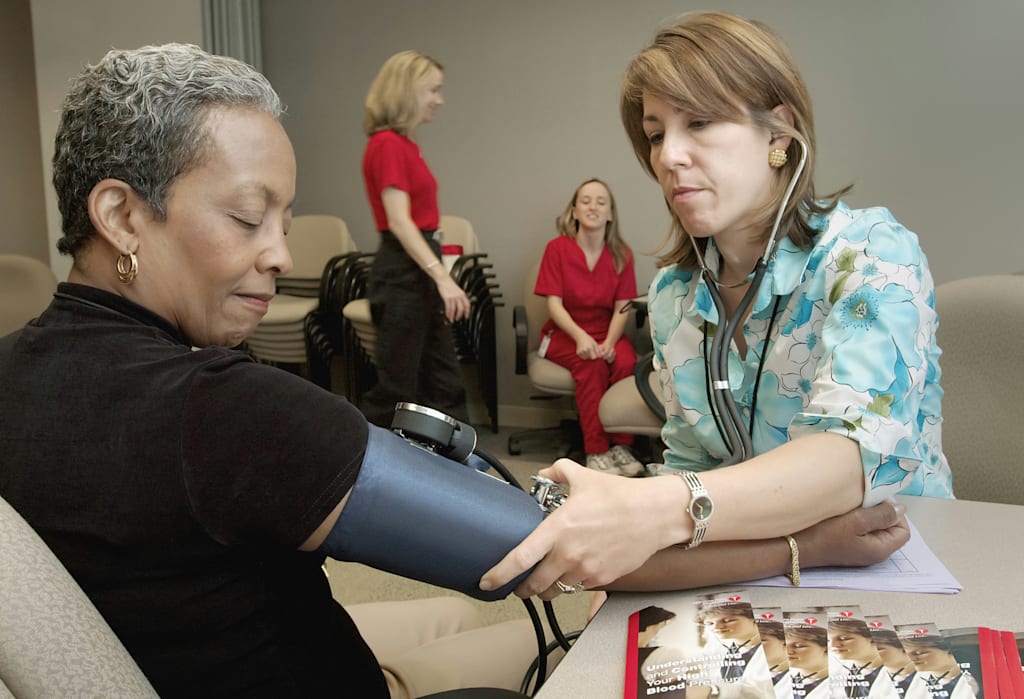
Health equity remains one of the most pressing goals in modern healthcare. Despite advancements in medicine, many communities continue to experience disparities in access, treatment, and health outcomes. Factors such as language barriers, cultural differences, socioeconomic conditions, and systemic biases often prevent individuals from receiving the care they need. As healthcare systems strive to close these gaps, culturally competent care has emerged as an essential solution.
Culturally competent care refers to the ability of healthcare providers and organizations to understand, respect, and effectively respond to the diverse cultural backgrounds of patients. By recognizing the unique values, beliefs, and needs of different populations, healthcare professionals can build trust, improve communication, and deliver more effective care. This approach is increasingly recognized as a critical component of public health equity.
Culturally competent care involves more than simply acknowledging cultural differences. It requires healthcare professionals to develop the knowledge, skills, and attitudes necessary to provide respectful and individualized care. This includes understanding cultural traditions, health beliefs, communication styles, and social factors that influence health behaviors.
Healthcare organizations also play an important role in promoting cultural competence. Policies that support interpreter services, diverse staffing, inclusive patient education materials, and ongoing cultural awareness training help create environments where patients feel understood and respected.
Health equity means ensuring that everyone has a fair opportunity to achieve their highest level of health. However, disparities often arise when healthcare systems fail to address the unique needs of diverse populations. Cultural misunderstandings can lead to misdiagnoses, poor treatment adherence, and reduced patient satisfaction.
When providers deliver culturally competent care, they help eliminate barriers that contribute to unequal health outcomes. Patients are more likely to trust healthcare professionals, seek preventive care, and follow treatment recommendations when they feel their cultural perspectives are valued and respected.
Effective communication is one of the strongest benefits of culturally competent care. Patients who face language differences or cultural misunderstandings may struggle to explain symptoms, ask questions, or understand medical instructions. These challenges can negatively impact treatment outcomes.
By using clear communication strategies and culturally appropriate interactions, healthcare providers can strengthen patient relationships. Trust grows when patients feel heard and understood, leading to better engagement in their healthcare decisions and improved overall experiences within the healthcare system.
Many underserved communities experience higher rates of chronic diseases, lower access to preventive services, and poorer health outcomes. These disparities often stem from a combination of economic, social, and cultural factors that influence healthcare access and utilization.
Culturally competent care helps healthcare organizations identify and address these challenges more effectively. By tailoring outreach programs, educational resources, and clinical services to specific populations, providers can better meet community needs and reduce long-standing health inequities.
Patient satisfaction is closely linked to the quality of interactions between healthcare providers and patients. Individuals who feel respected and understood are more likely to report positive healthcare experiences and maintain long-term relationships with their providers.
Better communication and stronger trust also contribute to improved health outcomes. Patients are more likely to follow treatment plans, attend follow-up appointments, and engage in preventive care when healthcare services align with their cultural values and expectations.
Developing cultural competence requires continuous learning and self-reflection. Healthcare professionals must remain aware of their own assumptions and biases while seeking to understand the perspectives of the populations they serve. Training programs can provide valuable insights into cultural differences and effective communication techniques.
Educational institutions and healthcare organizations should prioritize cultural competence as a core component of professional development. Ongoing training helps providers adapt to evolving community demographics and maintain high standards of equitable care.
Creating culturally competent healthcare systems requires commitment at every level of an organization. Leadership must support policies that promote diversity, inclusion, and equitable access to services. Investments in interpreter programs, community partnerships, and culturally relevant health resources can significantly improve patient experiences.
Inclusive healthcare systems also benefit from collecting and analyzing demographic data to identify disparities and measure progress. By understanding the needs of diverse populations, organizations can implement targeted strategies that support more equitable health outcomes for all patients.
Culturally competent care is a vital yet often overlooked factor in achieving public health equity. It strengthens communication, builds trust, reduces disparities, and improves patient outcomes across diverse communities. As healthcare systems continue to address inequities, embracing cultural competence can help ensure that all individuals receive respectful, effective, and accessible care.
By integrating cultural awareness into clinical practice, education, and organizational policies, healthcare providers can create more inclusive environments that support healthier communities and advance the broader goal of health equity.
About the Creator
Thomas Kuriakose, MD
Thomas Kuriakose, MD, is a New York physician focused on pediatric critical care, pursuing a fellowship after completing a residency in 2022, dedicated to equity and service.
Portfolio: https://thomaskuriakose-md.com
Enjoyed the story? Support the Creator.
Subscribe for free to receive all their stories in your feed.
Comments