
Critical Process in Maize Farming: Process and Challenges
Maize Cultivation Process: Key Steps, Challenges, and Solutions for Farmers
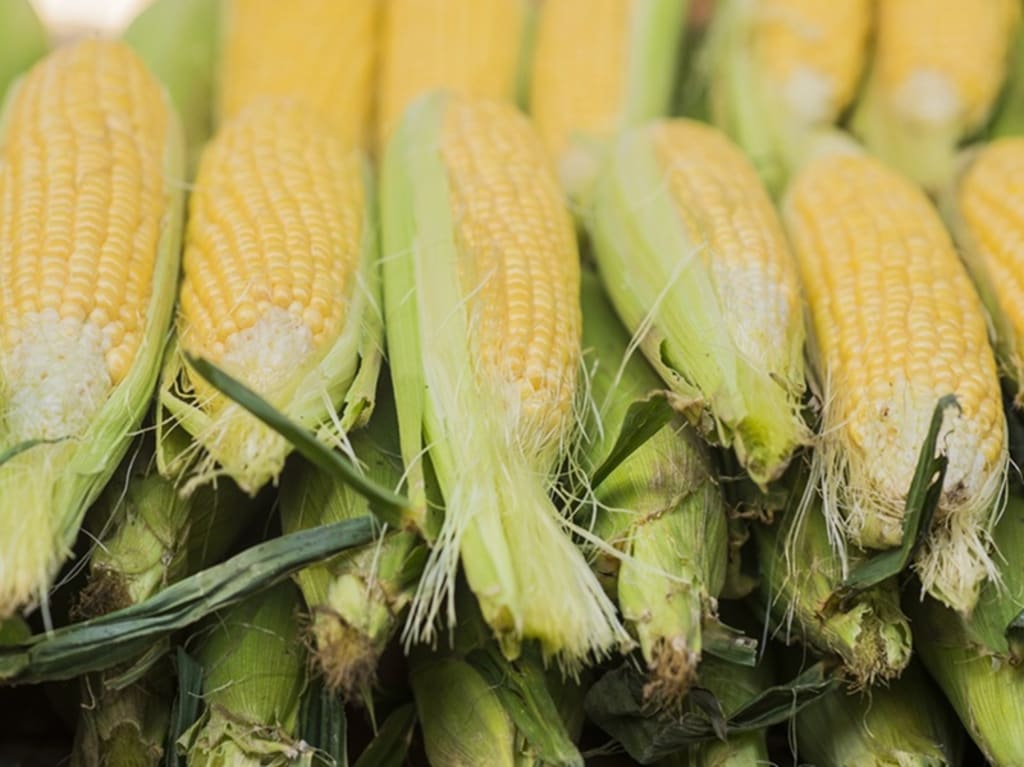
Maize is cultured with certain steps in order to grow as a healthy crop. It is consumed as food, animal feed, and industrial products. Maize is a crop that can easily be grown under various climatic conditions and types of soil. The process of farming includes important steps like soil preparation, seed selection, and harvest time. We will here discuss the complete process with the farmer's complications while growing maize.
Step-by-Step Farming Process of Maize
You can read the details below to learn about the step-by-step process to help you grow maize successfully:
Land Preparation
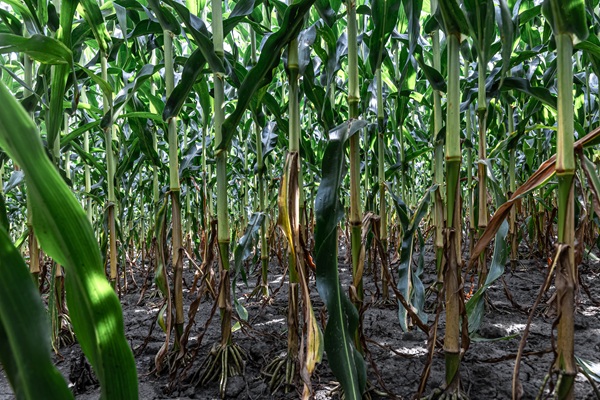
First, the land must be prepared since Maize will grow best in rich and fertile soil. The pH level should be 6.0 to 7.0. Clear the land of stones, weeds and other trash. Next, till the land is 4-6 inches deep such that it is simple to plant. Fertiliser or manure may be added to enhance soil fertility and texture. Additionally, it is always advisable to test your soil to see if any nutrient is required and add fertilizer accordingly. Sonalika Tractors are the ideal choice for land preparation for sowing.
Select the Correct Seed
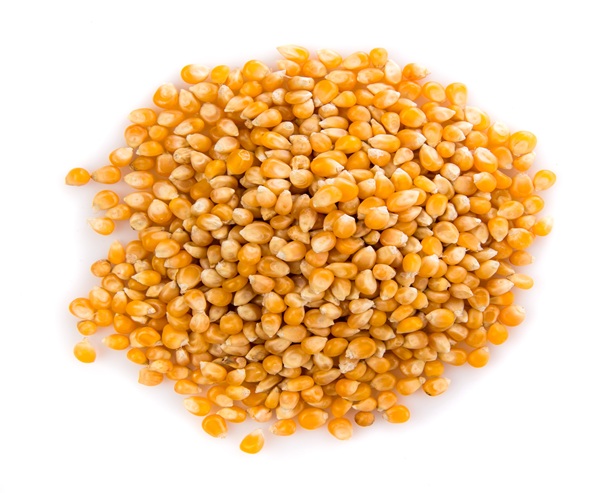
Selecting the proper variety of maize is also critical for proper cultivation. Select a suitable variety for your area and climate. The best variety is Hybrids since they produce a lot and resist many pests and diseases. Or drought-resistant ones for areas with little rainfall. Use good quality certified seeds to produce more healthy plants.
Seed Planting
Plant seeds at the end of winter, most often in the spring, when the soil is between 10°C-30°C. Plant them 1-2 inches deep and provide each seed with 8-12 inches of space. To maintain the same growth rate, plant the seeds evenly.
Water Irrigation
Maize needs consistent watering at the pollination stage and when the grains are growing. Apart from this, water the seeds to trigger them to grow. Plants need 1-1.5 inches of water throughout their growing season from either rainfall or irrigation. Drip or sprinkler irrigation systems are continuous water systems. Don't overwater the ground since it weakens the roots and causes diseases.
Fertilization
Maize requires an immense amount of nutrients to grow suitably. Use a balanced fertilizer with Nitrogen, Phosphorus, and Potassium before planting. Nitrogen is pivotal in producing solid leaves and stalks while growing. Proceed with the exercise carefully so as not to let the nutrient seep or be washed off by water into the ground. For the practice, you could require a sturdy engine equipped with advanced tools. They are very durable and versatile and are also used to conduct other farm activities.
Pest & Weed Control
Weed management is also very important when maize is at its early stage of growth. Weeds compete with maize for water, sunlight, and nutrients and slow growth. You may manage them using mulch and by pulling them out manually. Make sure to check for corn borers, aphids, and armyworms, as they can inflict harm on the plants. Pest management should be done in an appropriate manner in order to protect the crop from damage.
Flowering and Pollination
Maize is wind-pollinated, i.e., it employs the wind to transport pollen from the male flowers (tassels) to the female flowers (silks). Adequate spacing of the plants is essential to facilitate effective pollination. When maize plants are flowering, adequate air circulation between the rows of plants is provided to facilitate the movement of pollen. Weather conditions during pollination should be ideal for corn to develop good kernels. Adverse weather and poor pollination can result in low yields.
Harvestation
The optimal harvestation time is 100-200 days after planting. The crop is ready when the kernels are hard, and the husks are dry. If a milky sap is emitted when pressing the kernel with a finger, then they are not yet matured. To obtain a better quality, harvest the corn before it becomes too dry.
Post-Harvest
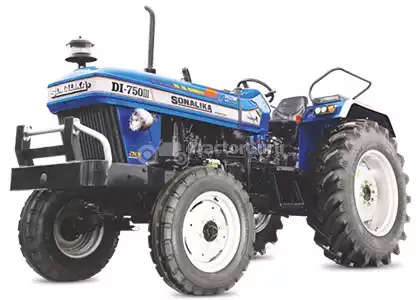
When you harvest the maize, dry the maize kernels carefully to avoid mold or rotting. Dry the maize under sunlight or use a mechanical dryer in an attempt to dry the maize to approximately 15% moisture. Dry maize should be kept in a dry and cool place in a sealed bag or container to repel pests. Farmers utilize tractors for efficient harvesting and handling. Nowadays, such work is highly beneficial for the Sonalika 750 tractor model. It has a lifting capacity of 2000kg and a 55-litre fuel tank to carry out long hours of work.
Common Challenges in Maize Farming
Maize farming may be challenging since it is accompanied by issues such as pests, diseases, or adverse weather. Continuous monitoring of the crops, pest control, and crop rotation may assist in minimising risks. Maize is prone to extreme weather conditions, such as drought or snow. One should select a suitable variety and ensure the plants get proper watering during dry seasons.
Conclusion
You have to have proper planning and management in order to grow healthy maize. Observations and regular maintenance of weather patterns also go a long way towards a bountiful harvest. Finally, it has enormous scope for small as well as big farmers who are interested in growing a productive and profitable crop.
About the Creator
Enjoyed the story? Support the Creator.
Subscribe for free to receive all their stories in your feed.
Comments
There are no comments for this story
Be the first to respond and start the conversation.