
Costa Rica in July & August 2026- Veranillo, Whale Watching, Turtle Nesting & Best Value Travel Guide
Planning Costa Rica in July or August 2026? Discover the Veranillo little summer, peak humpback whale watching in Uvita, turtle nesting in Ostional and Tortuguero, lower prices, and lush green landscapes. Full weather guide, costs, and 10-day itinerary included.

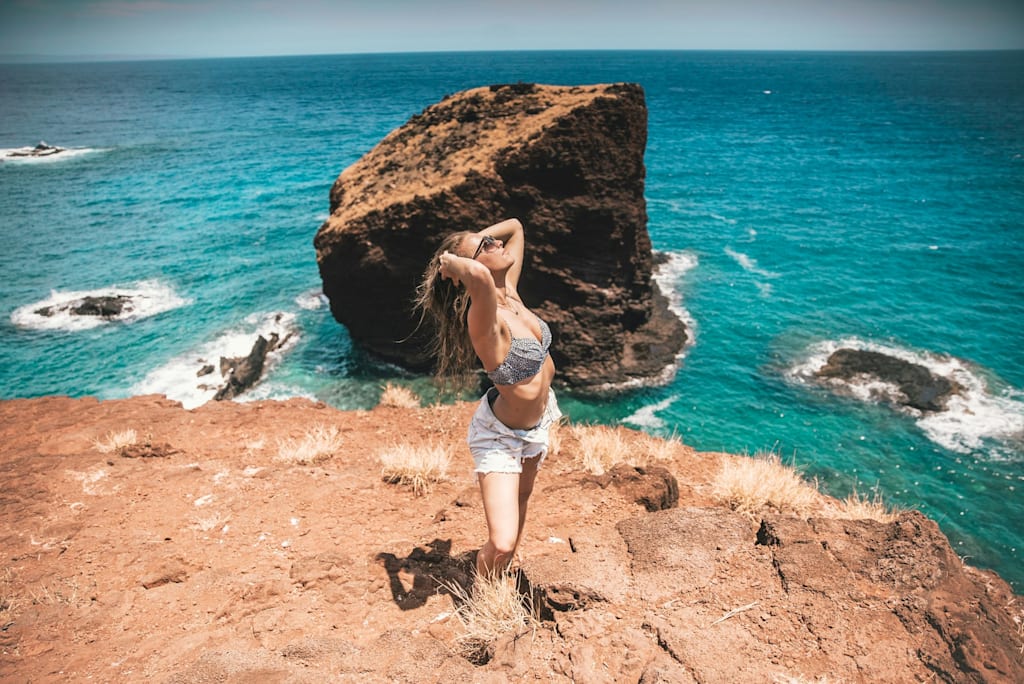
Costa Rica in July & August 2026: Veranillo, Whales, Turtles & Unbeatable Value
Costa Rica in July and August offers one of the most rewarding times to visit — blending the famous Veranillo (little summer) with incredible wildlife encounters, dramatically lower prices, and fewer crowds than the peak dry season.
While many travelers chase perfect sunny days from December to April, those in the know head to Costa Rica during these mid-year months for a greener, more authentic experience packed with humpback whales, nesting sea turtles, and vibrant rainforests.
This guide covers everything you need for Costa Rica in July & August 2026: weather patterns, regional differences, wildlife highlights, real costs, pros and cons, and a ready-to-use 10-day itinerary.
Understanding the Veranillo – Costa Rica’s “Little Summer”
The Veranillo de San Juan is a welcome break in the rainy (green) season that typically arrives in mid-to-late July and can extend into early August. During this period, rainfall decreases significantly on the Pacific side and Central Valley, with many days starting bright and sunny before possible afternoon showers.
- Pacific Coast (Guanacaste, Nicoya, Central Pacific): Sunniest during Veranillo. Mornings are often clear and ideal for tours and beach time. Guanacaste tends to be the driest.
- Central Valley & Highlands: Cooler and pleasant with reduced rain.
- Caribbean Coast: Wetter overall, though mornings can still be good for activities.
Average Temperatures (2026 expectations based on historical patterns):
- Daytime: 24–32°C (75–90°F) on coasts; cooler (16–24°C) in mountains.
- Evenings: Comfortable 17–24°C.
- Sunshine: 5–7 hours per day on average, with Veranillo boosting this.
Rain usually comes as short, refreshing showers rather than all-day downpours — perfect for lush photography and fewer tourists.
July vs August in Costa Rica 2026 – Quick Comparison
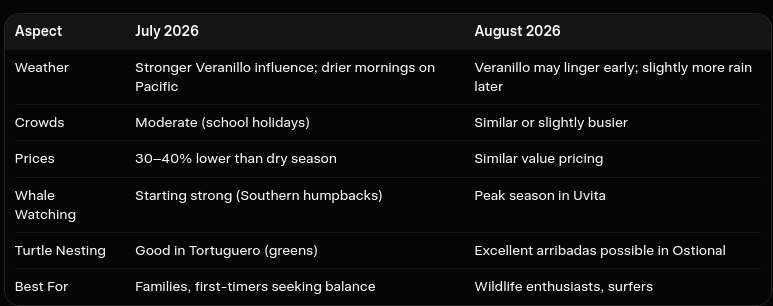
Data drawn from long-term patterns and 2026 forecasts. Exact Veranillo timing varies yearly but often peaks mid-July.
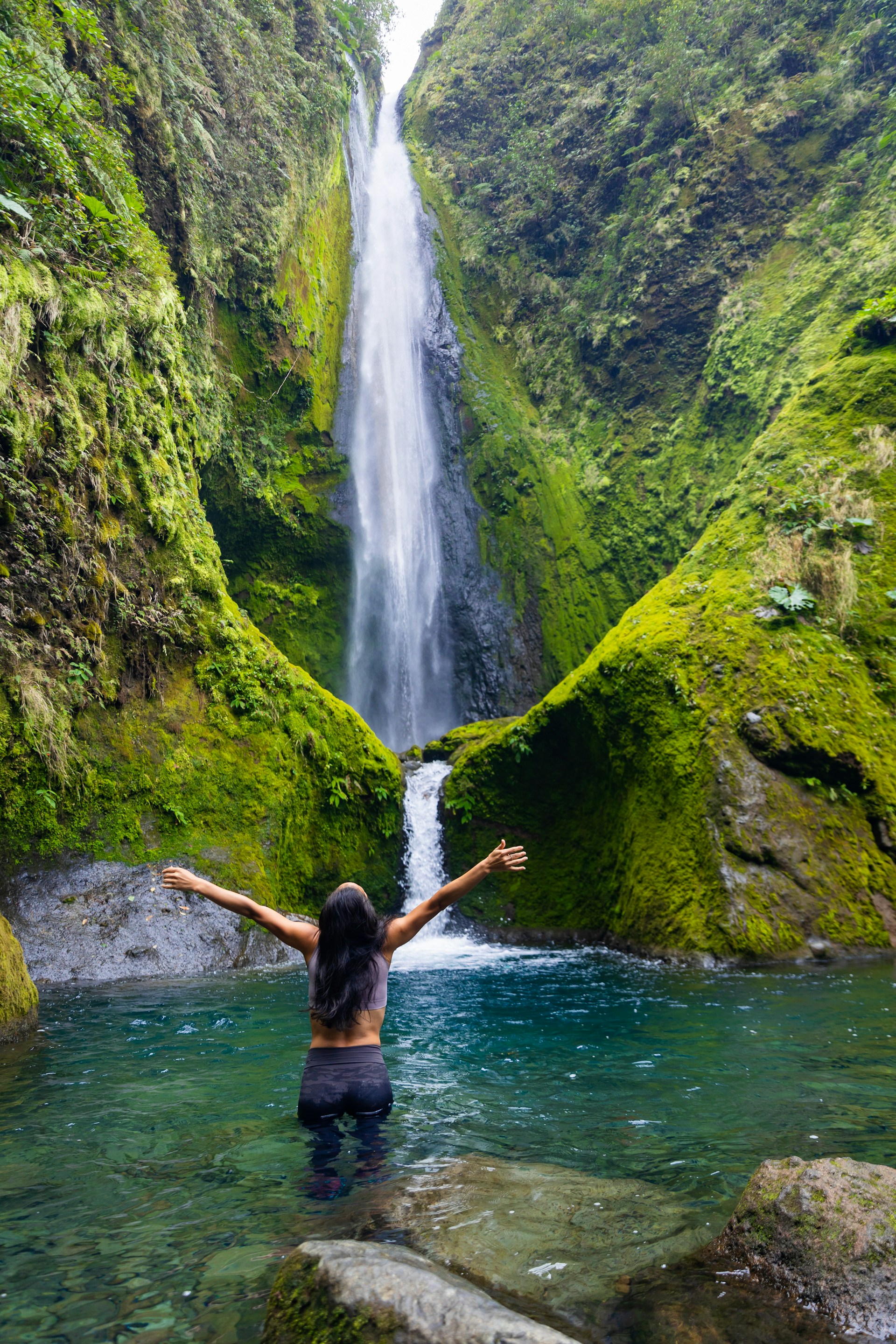
Why Visit Costa Rica in July & August? Key Benefits
- Lower Prices & Better Deals: Hotels, tours, and car rentals often drop 30–50% compared to high season. You can upgrade to luxury lodges or stay longer on the same budget.
- Lush Green Landscapes: Waterfalls flow powerfully, rainforests burst with life, and everything looks vibrant.
- Fewer Crowds: Popular spots like Arenal, Manuel Antonio, and Monteverde feel more peaceful.
Peak Wildlife Season:
- Humpback Whale Watching: Southern hemisphere whales arrive from Antarctica. Best in Uvita (Marino Ballena National Park) from July–October, with August/September often peak for breaches and mother-calf pairs.
- Sea Turtle Nesting: Green turtles peak in Tortuguero (July–October). Olive Ridley arribadas (mass nestings) possible in Ostional, especially around new moons in July–December.
Other highlights: Excellent surfing, strong river rafting, and ethical wildlife tours.
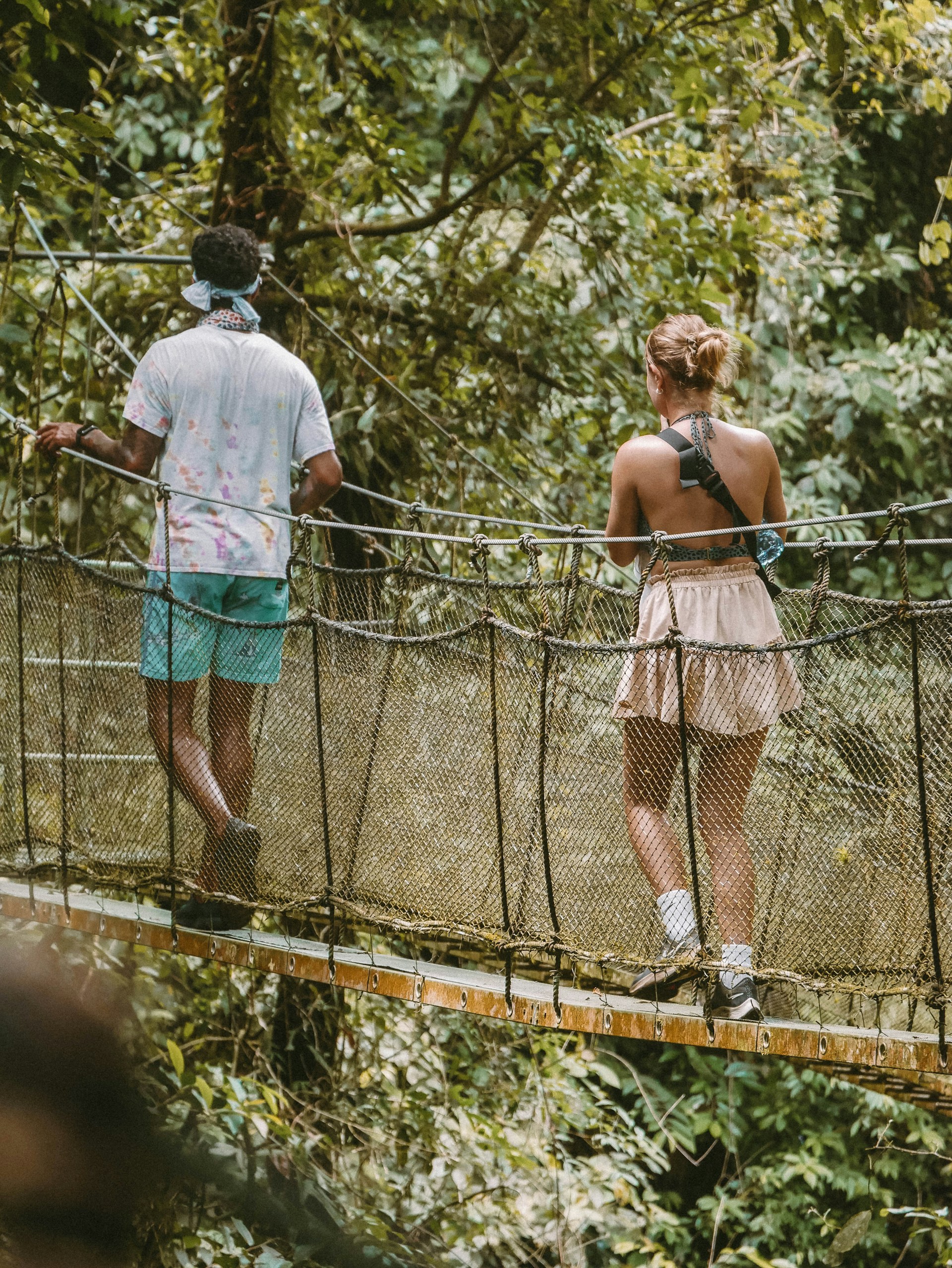
Potential Drawbacks & How to Handle Them
- Afternoon rain is common — schedule outdoor activities for mornings.
- Some roads can be muddy; rent a 4x4 if heading to remote areas.
- Veranillo isn’t guaranteed every year, but even with rain, Costa Rica remains magical.
Pro Tip: Pack quick-dry clothes, a lightweight rain jacket, binoculars, and reef-safe sunscreen.
Real 2026 Travel Costs for July & August
July and August deliver excellent value:
- Mid-range hotel double room: $80–150/night (vs $200+ in dry season).
- Luxury eco-lodge: $200–400 (often with big discounts).
- Guided whale watching tour (Uvita): $60–100 per person.
- Turtle nesting night tour: $50–80.
- Meals: $8–15 for local casado; $20–40 for nicer restaurants.
- Domestic flight or shuttle: Affordable with advance booking.
Sample Daily Budget (per person, mid-range): $120–200 including accommodation, food, and one activity.
Recommended 10-Day Itinerary for Costa Rica in July/August 2026
Day 1–3: Central Valley & Arenal
Arrive in San José. Head to La Fortuna for Arenal Volcano views, hot springs, and hanging bridges. Mornings are best for hiking. Enjoy powerful waterfalls after any overnight rain.
Day 4–6: Central/South Pacific – Manuel Antonio or Uvita
Drive or shuttle to the Pacific. In Uvita, book a whale watching boat tour — high chance of spotting humpbacks. Relax on quiet beaches and visit Marino Ballena National Park (famous for the “whale tail” rock formation).
Day 7–8: Ostional or Nosara Area (Turtle Focus)
Time your visit around the new moon window for higher chances of Olive Ridley activity. Join a guided, ethical turtle tour at night (no flash photography).
Day 9–10: Tortuguero or Return via Caribbean (optional extension)
Fly or transfer to Tortuguero for green turtle nesting opportunities. Alternatively, relax in Guanacaste before departure.
Customizations: Families may prefer more beach time in Guanacaste. Wildlife lovers should prioritize Uvita + Ostional.
Sustainable & Ethical Travel Tips
- Choose certified eco-lodges and tour operators (look for “CST” or “Sustainable Tourism” certification).
- Avoid touching or disturbing turtles/whales — maintain distance.
- Support local communities by eating at sodas and buying from artisan markets.
- Use reef-safe sunscreen and reusable water bottles.
Frequently Asked Questions (FAQ)
Is July or August better for Costa Rica in 2026?
July often has a stronger Veranillo effect with drier mornings. August can offer peak whale and turtle activity. Both are excellent value periods.
Will I see whales and turtles?
High probability, especially for whales in Uvita (July–October) and turtles in protected areas. Book guided tours for best chances.
Is it too rainy to enjoy the trip?
No — most rain is short and afternoon-based. The Veranillo helps, and the lush scenery is a highlight.
Are prices really lower?
Yes, typically 30–40% savings on accommodations and tours compared to December–March.
What about mosquitoes and bugs?
More active in green season. Use repellent and choose screened accommodations.
Should I rent a car?
Recommended for flexibility, especially if exploring beyond main tourist routes. Book a 4x4 for rainy conditions.
Final Thoughts: Is Costa Rica in July & August 2026 Right for You?
If you value authentic experiences, wildlife spectacles, lush nature, and smart savings over guaranteed all-day sunshine, July and August 2026 could be your best trip to Costa Rica yet.
The combination of Veranillo sunny breaks, active humpback whales, nesting turtles, and lower costs makes these months a hidden gem for travelers who want more than just a beach vacation.
Last updated: April 20, 2026
Written by: Sujan Pariyar – Frequent Costa Rica visitor with multiple trips across seasons. Sources include Costa Rica National Meteorological Institute patterns, park service data, and direct traveler reports.
Sources & Further Reading:
- Best time to visit Costa Rica
- Best things to do in Costa Rica
Ready to book? Start with flexible flights and prioritize morning activities for the best experience. Pura Vida!
About the Creator
Sujan Pariyar
Sujan Pariyar is an accomplished international writer. He interview highly successful people from all around the world and write content to inspire young entrepreneurs.
Enjoyed the story? Support the Creator.
Subscribe for free to receive all their stories in your feed.
Comments
There are no comments for this story
Be the first to respond and start the conversation.