
Cost of Studying in the UK: What to Expect and How to Prepare Financially
Cost of Studying in the UK

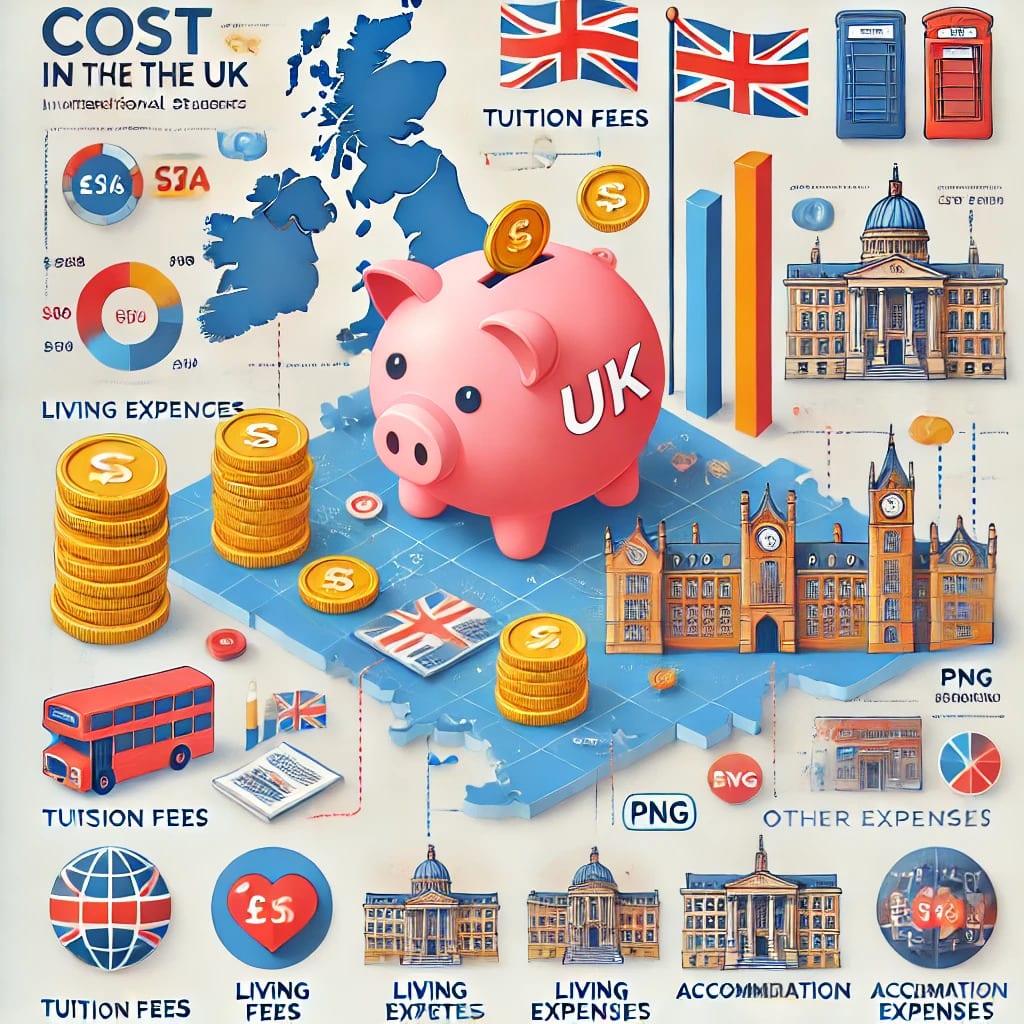
Studying in the UK is a dream for many international students due to its world-class education system, prestigious universities, and vibrant cultural experience. However, one of the most crucial aspects to consider when planning your education abroad is the cost of study in the UK. Understanding the various financial components involved is key to making your study abroad journey smooth and manageable.
Understanding Tuition Fees and Course Types
The first major cost you’ll encounter when planning to study in the UK is the tuition fee. These can vary significantly depending on the course and the university. On average, tuition fees range from £10,000 to £38,000 per year for undergraduate and postgraduate courses. For example, medical degrees or courses at prestigious universities such as Oxford or Cambridge can cost on the higher end of this spectrum
TURITO
When planning your budget, it’s important to note that tuition fees also vary by the type of course. Engineering, business, and law programs might fall into higher ranges, while arts and humanities courses could be slightly more affordable. Be sure to research the specific fees for your chosen program and institution.
Living Expenses: A Vital Part of Your Budget
Living costs in the UK can vary based on the city you choose to study in. London, for example, has a higher cost of living compared to cities like Manchester, Glasgow, or Birmingham. On average, international students spend between £1,000 and £1,500 per month on living expenses, which includes accommodation, food, transportation, and other personal costs
STUDY IN UK
.Accommodation is often the largest expense for students. Rent can range from £400 to £1,200 per month depending on whether you live in university halls, private accommodation, or shared apartments. Transportation costs are also a factor, with students in cities like London benefiting from discounted travel cards. Additionally, healthcare costs might be covered through the National Health Service (NHS) if you are enrolled for more than six months, but you may still need to pay for certain services.

Study Abroad and Financial Planning
When you decide to study abroad in the UK, it’s essential to plan ahead and prepare financially. Aside from tuition and living expenses, you’ll need to factor in travel costs, visa fees, and any additional expenses that might arise, such as books, study materials, and extracurricular activities. To help you manage these costs, many universities offer scholarships, grants, and financial aid to international students. There are also external scholarships available for specific countries and fields of study.
One of the most helpful ways to ensure that you’re fully prepared for studying abroad is to consult with an overseas education consultancy. These professionals can help you understand the financial requirements and assist with budgeting strategies, scholarships, and loan options available for international students. They can guide you through the entire process, ensuring that your finances are in order before you make the move.
Frequently Asked Questions (FAQs)
How much does it cost to study in the UK for international students? The total cost of studying in the UK depends on your course and living location. Tuition fees generally range from £10,000 to £38,000 per year, while living expenses range from £1,000 to £1,500 per month depending on your lifestyle and location.
Are there scholarships available for international students in the UK? Yes, numerous scholarships are available to international students. These include university-specific scholarships, government-funded scholarships, and external scholarships based on merit or need.
How can I reduce the cost of studying in the UK? To reduce costs, you can apply for scholarships, live in more affordable cities, consider part-time work options, and budget wisely to manage living expenses.
Do international students pay higher fees in the UK? Yes, international students generally pay higher tuition fees than UK and EU students. However, various financial aid options are available to ease the financial burden.
Conclusion
Studying in the UK is a rewarding experience, but it requires thorough financial planning to ensure that you can meet the costs associated with tuition, accommodation, and living expenses. By researching tuition fees, exploring scholarship opportunities, and creating a detailed budget, you can prepare yourself for a successful study abroad experience.
Consulting with an overseas education consultancy can further assist you in navigating the financial aspects of studying in the UK. They can provide tailored advice and support to help you manage your finances efficiently, ensuring that your focus remains on your academic and cultural experiences while abroad.
Read more: UK Student Visa 101: Everything You Need to Know for a Smooth Application Experience
Discovering Excellence: A Guide to the Top Universities in the UK for International Students
About the Creator
Pratiksha More
My aim as blogger is help others to achieve their academic dream with confidence. I provide latest information on studying abroad and guiding students throughout their journey.
Enjoyed the story? Support the Creator.
Subscribe for free to receive all their stories in your feed.
Comments
There are no comments for this story
Be the first to respond and start the conversation.