

Introduction
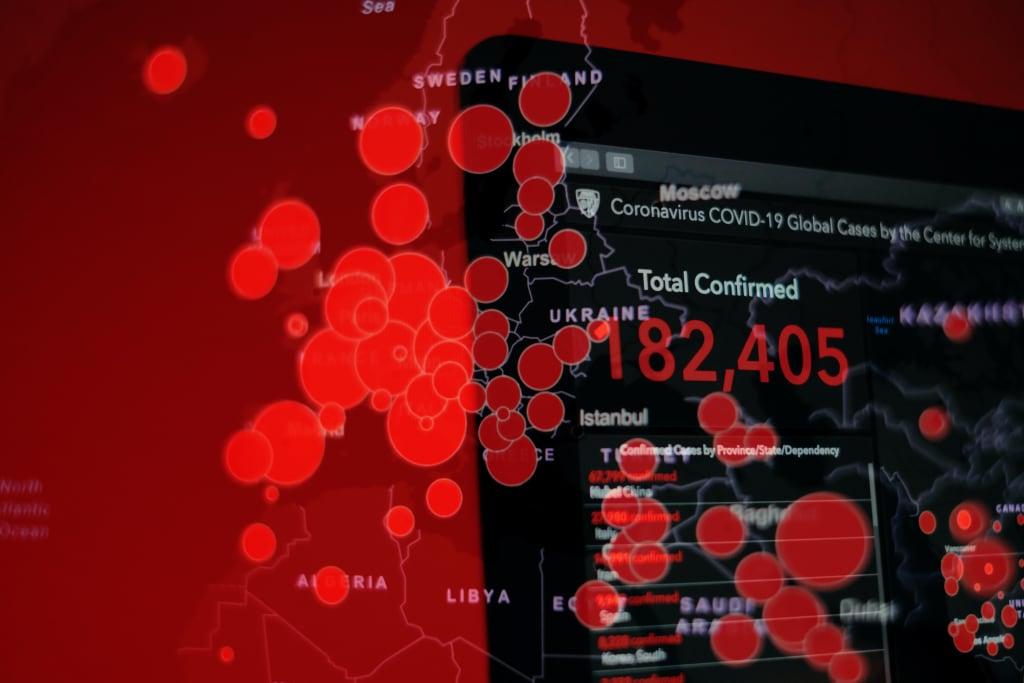
The COVID-19 pandemic has gripped the world in an unyielding embrace, leaving no corner untouched. Since its emergence in late 2019, the novel coronavirus, SARS-CoV-2, has unleashed a global health crisis of unparalleled proportions. In this article, we delve into the multifaceted nature of the virus, its impact on public health, the global response, and the ongoing quest for solutions.
Understanding COVID-19
COVID-19, caused by the severe acute respiratory syndrome coronavirus 2 (SARS-CoV-2), initially appeared in Wuhan, China. It swiftly spread across the globe, leading to a pandemic declaration by the World Health Organization (WHO) in March 2020. The virus primarily spreads through respiratory droplets when an infected person coughs, sneezes, or talks, and can also be contracted by touching contaminated surfaces.
COVID-19 Symptoms and Severity
COVID-19 manifests with a wide range of symptoms, including fever, cough, fatigue, shortness of breath, loss of taste or smell, and body aches. Although most cases are mild, some individuals, particularly the elderly and those with underlying health conditions, face a higher risk of severe illness or even death.
Global Impact and Response
The global impact of COVID-19 has been staggering. Economies have suffered, with businesses shutting down and millions losing their jobs. Lockdowns, travel restrictions, and social distancing measures were implemented worldwide to contain the spread of the virus. Healthcare systems were stretched thin, and the toll on mental health has been significant.
The global response to COVID-19 has been multifaceted. Governments implemented vaccination campaigns, testing strategies, and public health campaigns to raise awareness. Scientists collaborated to develop effective treatments and vaccines at an unprecedented pace. Despite these efforts, new variants of the virus continue to pose challenges.
The Road Ahead
As we move forward, it is crucial to remain vigilant and adapt to the changing dynamics of the pandemic. Vaccination remains a vital tool to control the spread and severity of COVID-19. Continued research is focused on the development of new antiviral treatments and booster shots to address emerging variants.
In addition to medical interventions, public health measures such as mask-wearing, hand hygiene, and social distancing are still crucial. Equitable distribution of vaccines to low-income countries is vital to curb the global impact of the pandemic.
Origins and Spread:
COVID-19 is caused by a coronavirus named SARS-CoV-2, which is believed to have originated in bats and potentially transmitted to humans through an intermediate host, such as a pangolin. The first reported cases of the virus were in Wuhan, China, in December 2019, and it quickly spread across international borders, becoming a global pandemic.
.pact on Public Health:
The impact of COVID-19 on public health has been unprecedented. The virus spreads primarily through respiratory droplets when an infected individual coughs, sneezes, or talks. It can cause a range of symptoms, from mild flu-like symptoms to severe respiratory distress, and in some cases, it can lead to death. The elderly and those with underlying health conditions are particularly vulnerable. Healthcare systems worldwide have been strained, with shortages of medical supplies, overwhelmed hospitals, and exhausted healthcare professionals.
Preventive Measures:
Preventing the spread of the Corona Virus requires a collective effort from individuals, communities, and governments. Key preventive measures include regular handwashing, wearing masks, practicing social distancing, and adhering to vaccination guidelines. Vaccines have been developed and distributed globally, offering hope in curbing the spread of the virus. Continued research, monitoring, and global cooperation are vital in identifying new variants and adapting prevention strategies accordingly
Conclusion
The COVID-19 pandemic has reshaped the world as we know it. It has challenged healthcare systems, economies, and social norms. However, it has also demonstrated the strength of human resilience, scientific collaboration, and the power of vaccination. As we continue to battle the virus, it is essential to stay informed, follow public health guidelines, and support one another. Together, we can navigate these uncertain times and emerge stronger, armed with the knowledge gained from this historic crisis
About the Creator
Enjoyed the story? Support the Creator.
Subscribe for free to receive all their stories in your feed.
Comments
There are no comments for this story
Be the first to respond and start the conversation.