
Core Modules in a UI/UX Design Course
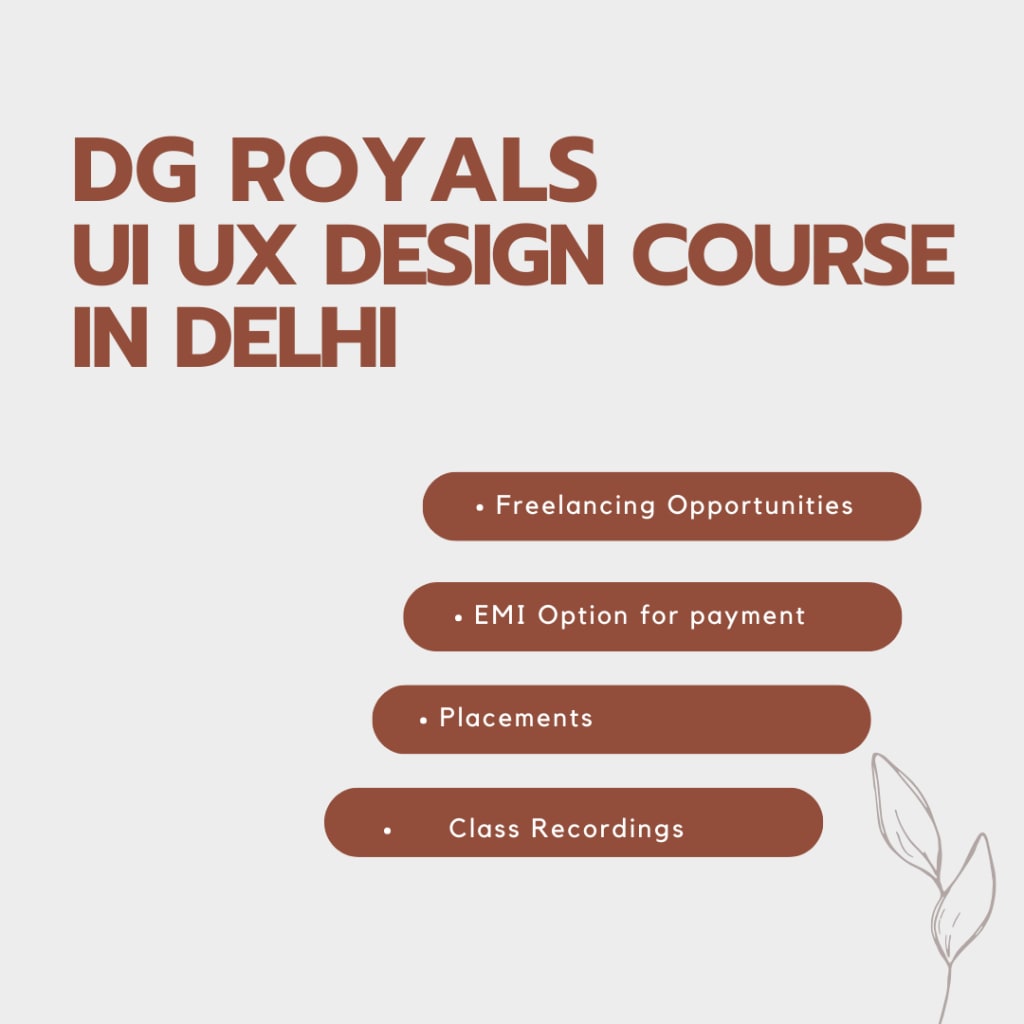
UI UX Design Course in Delhi
1. Introduction to UI/UX Design
Objective: Understand the fundamentals of UI/UX design course in Delhi and its importance in product development.
Topics Covered:
- Definitions and roles of UI/UX
- Differences between UI and UX
- Basic principles of user-centered design
- Overview of the design process
Outcomes: Students will gain a foundational understanding of how UI and UX work together to create intuitive and engaging digital products.
2. Design Thinking and User-Centered Design
Objective: Learn to apply design thinking principles to solve complex problems and create user-friendly designs.
Topics Covered:
- What is design thinking?
- Empathy in design
- User research and its importance
- Identifying user pain points
- Creating user personas
- Ideation, prototyping, and testing
Outcomes: Students will be equipped to create designs that are focused on solving user problems through empathy and innovation.
3. User Research and Analysis
Objective: Conduct effective user research and analyze data to inform design decisions.
Topics Covered:
- Conducting interviews and surveys
- Understanding user behavior through analytics
- Competitor analysis
- User flows and task analysis
- Building user personas
Outcomes: By mastering research techniques, students can better understand user needs and incorporate these insights into their designs.
4. Wireframing and Prototyping
Objective: Master the skills of creating wireframes and prototypes to communicate design ideas.
Topics Covered:
- Basics of wireframing
- Low-fidelity vs. high-fidelity wireframes
- Creating interactive prototypes
- Tools like Figma, Sketch, and Adobe XD
- Testing prototypes with users
Outcomes: Students will be proficient in sketching wireframes and developing interactive prototypes to showcase their ideas.
5. UI Design Principles
Objective: Learn the visual aspects of designing interfaces that are aesthetically pleasing and functional.
Topics Covered:
- Typography, color theory, and iconography
- Grids, layouts, and visual hierarchy
- Designing for accessibility
- Responsive design for mobile, tablet, and desktop
- UI patterns and best practices
Outcomes: Students will develop a solid understanding of design principles to create visually appealing interfaces that enhance user experience.
6. UX Design Principles
Objective: Focus on creating user experiences that are seamless and enjoyable.
Topics Covered:
- Interaction design
- Navigation patterns and usability
- Creating user flows
- UX writing and microcopy
- Conducting usability tests
Outcomes: Students will learn how to build interfaces that are easy to navigate and ensure a positive user journey.
7. Interaction Design
Objective: Focus on designing how users interact with digital products.
Topics Covered:
- Interaction patterns
- Gestures and animations
- Feedback and user interaction
- Tools and techniques for designing interactions
Outcomes: Mastery in interaction design ensures users can engage effortlessly with products, improving overall satisfaction.
8. Usability Testing and Feedback
Objective: Learn to test your designs and iterate based on user feedback.
Topics Covered:
- Methods of usability testing (in-person, remote, A/B testing)
- Analyzing feedback and data
- Iterating designs based on feedback
- Tools for usability testing (e.g., UserTesting, Hotjar)
Outcomes: Students will know how to conduct effective usability tests to improve their designs and create user-friendly solutions.
9. Design Tools and Software
Objective: Get hands-on experience with industry-standard tools used for UI/UX design.
Topics Covered:
- Figma, Adobe XD, and Sketch for design
- InVision and Marvel for prototyping
- User research tools (e.g., Google Analytics, Hotjar)
- Collaboration and handoff tools (e.g., Zeplin)
Outcomes: Proficiency in using these tools is crucial for efficiently designing and collaborating with teams.
10. Building a Professional Portfolio
Objective: Create a compelling design portfolio to showcase your skills and land job opportunities.
Topics Covered:
- Curating your best projects
- Structuring your portfolio for maximum impact
- Presenting your design process
- Personal branding as a designer
Outcomes: By the end of the course, students will have a professional portfolio demonstrating their UI/UX skills, ready to present to potential employers.
About the Creator
Enjoyed the story? Support the Creator.
Subscribe for free to receive all their stories in your feed.
Comments
There are no comments for this story
Be the first to respond and start the conversation.