
Cook Medical Unveils New Fully-Retractable Embolization Coil: A Game-Changer in Interventional Radiology
Improving Patient Outcomes with Next-Generation Embolization Tools
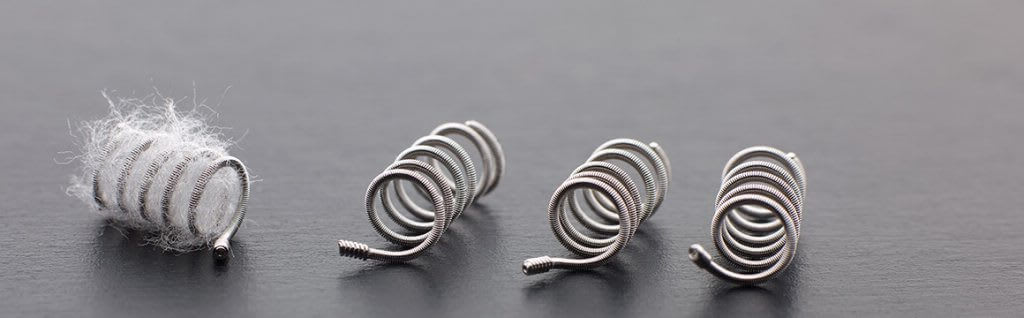
In a significant breakthrough for interventional radiology, Cook Medical has introduced a fully retractable embolization coil designed to provide physicians with enhanced control, safety, and flexibility during vascular procedures. The innovative device represents a major advancement in the field of embolization, offering a retrievable solution that aligns with the growing demand for precision-based medical tools.
What Is an Embolization Coil?
Embolization coils are small, implantable devices used by interventional radiologists to block blood flow to targeted areas of the body. This procedure is often used to treat conditions such as aneurysms, arteriovenous malformations (AVMs), or certain tumors by obstructing the blood supply, leading to a reduction or elimination of the abnormal tissue.
Traditional coils are typically delivered through a catheter and, once deployed, cannot be repositioned. This poses a risk if placement is inaccurate or if the anatomy is more complex than expected. That’s where Cook Medical’s latest solution steps in.
Fully-Retractable Design: Why It Matters
Cook Medical’s new embolization coil offers a fully retractable mechanism, allowing physicians to deploy, reposition, or retrieve the device before final placement. This added level of control can significantly reduce procedural risks and enhance clinical outcomes.
According to Cook Medical’s product development team, this coil is designed with interlocking, shape-memory material that enables it to expand and retract without compromising structural integrity. Physicians can now make real-time adjustments, ensuring optimal placement without the need for secondary procedures or additional equipment.
Key Benefits of the New Coil
1. Enhanced Precision
The ability to retract the coil enables precise control, which is crucial in delicate procedures like neurovascular or peripheral artery embolization. Misplaced coils can lead to complications or ineffective treatment—this technology helps avoid that.
2. Reduced Procedure Time
By allowing repositioning on the fly, the device minimizes the trial-and-error approach often seen in embolization cases. This leads to shorter procedure times and potentially reduced use of contrast agents, benefiting both patients and providers.
3. Improved Patient Safety
The coil’s retrievability lowers the risk of vessel injury, non-target embolization, and unintended complications, thus promoting higher standards of care.
4. Versatility in Complex Cases
The product is especially helpful in anatomically challenging cases where a standard coil may be difficult to place accurately the first time. Whether it’s a twisted vascular pathway or variable lesion size, this tool gives physicians the flexibility to adapt.
Market and Medical Community Response
Initial feedback from the interventional radiology community has been positive. Many specialists see this coil as a next-generation solution that addresses long-standing limitations in coil-based embolization procedures.
"Cook Medical has listened to the needs of physicians and delivered a product that not only improves technical success but also aligns with patient-centric care," said Dr. Laura Kim, an interventional radiologist at Boston Medical Center.
As healthcare shifts toward minimally invasive, image-guided therapies, innovations like Cook Medical’s retractable embolization coil reflect the industry's forward momentum. Hospitals and clinics are increasingly prioritizing tools that enhance accuracy while reducing risk and resource consumption.
Looking Ahead
The new retractable coil is currently available in select markets, with global expansion planned in the near future. Cook Medical continues to lead the way in interventional technologies, focusing on designs that improve usability without compromising patient outcomes.
For physicians seeking better control during embolization procedures, this product may soon become a go-to device in the cath lab.
About the Creator
Enjoyed the story? Support the Creator.
Subscribe for free to receive all their stories in your feed.
Comments
There are no comments for this story
Be the first to respond and start the conversation.