
Connecting the World, Improving Lives: The Impact of IoT
"Unlocking the Benefits of IoT: Understanding its Importance and Impact in Today's World"

Introduction
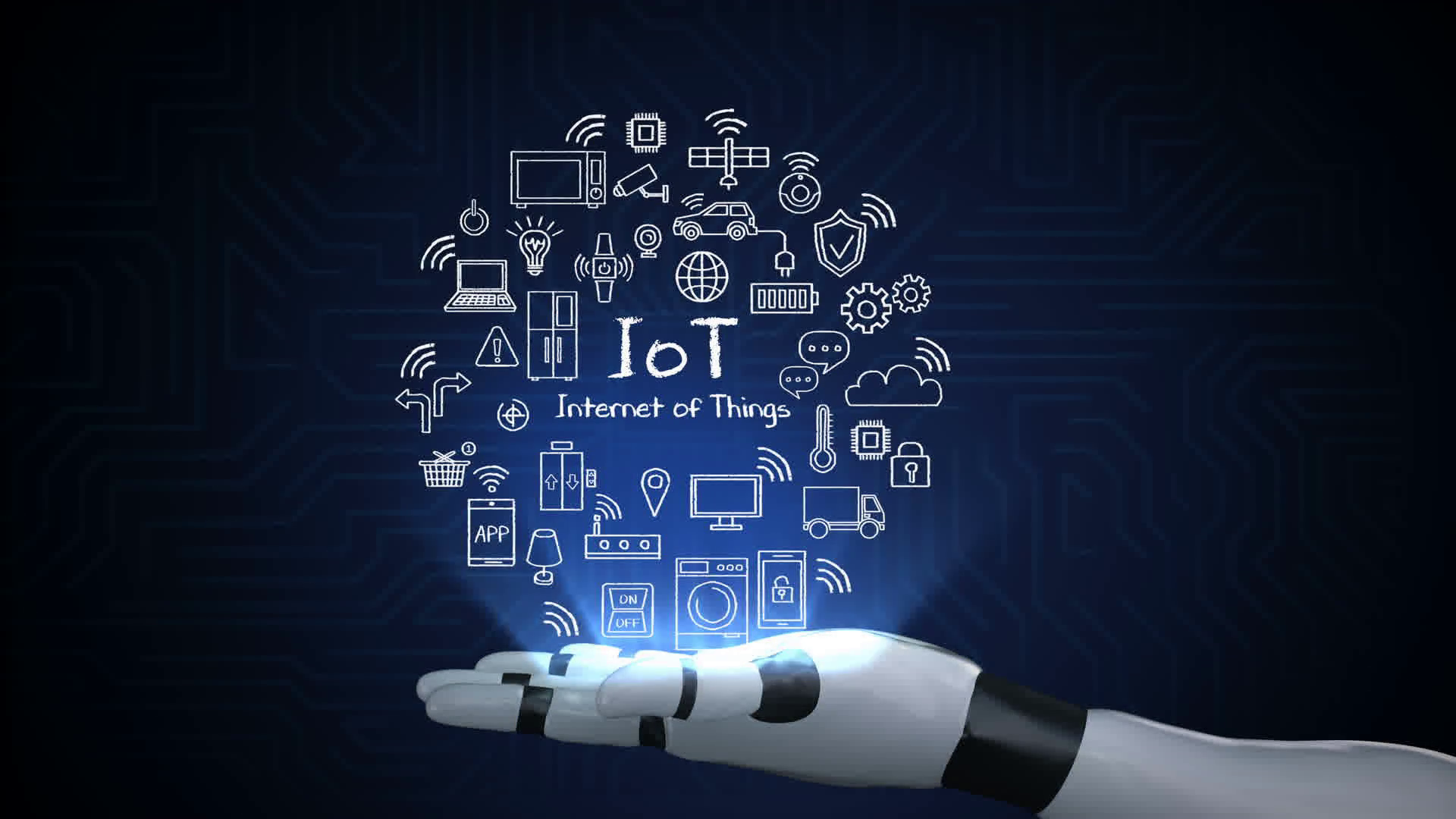
The Internet of Things (IoT) refers to the interconnected network of physical devices, vehicles, buildings, and other items embedded with electronics, software, sensors, and connectivity which enables these objects to collect and exchange data.
Importance of IoT in Today's World:
IoT has become increasingly important in today's world due to the following reasons:
Improved Efficiency and Productivity: IoT devices and systems help automate processes, streamline workflows, and reduce manual labor, resulting in improved efficiency and productivity across various industries.
Enhanced Security and Safety: IoT devices and systems can be equipped with sensors and cameras, which help monitor and secure physical spaces and assets. This enhances the overall security and safety of individuals, organizations, and communities.
Improved Quality of Life: IoT-enabled devices and systems can be integrated into various aspects of daily life, from healthcare to home automation. This enhances convenience, comfort, and overall quality of life.
Real-time Monitoring and Control: IoT devices and systems provide real-time data and insights, allowing for real-time monitoring and control of various systems and processes.
Better Decision-Making: The data generated by IoT devices and systems provides valuable insights into various systems and processes, allowing for better decision-making and problem-solving.
Connected World: IoT is an integral part of the connected world, allowing for seamless communication and collaboration between individuals, organizations, and systems.
Increased Sustainability: IoT devices and systems can be used to monitor and optimize energy usage, reducing waste and promoting sustainability.
Predictive Maintenance: IoT devices and systems can be used to predict potential maintenance issues and schedule repairs, reducing downtime and ensuring smooth operations.
Purpose of the Blog Post:
The purpose of this blog post is to educate the reader on the definition of IoT, its importance in today's world, and how it is changing the way we live and work. The post will explore various real-world applications of IoT, its benefits, and the future potential of this technology. The blog will also discuss the impact of IoT on various industries and individuals, providing valuable insights into the topic.
The Need for IoT
The growing demand for technology that improves lives:
The need for IoT stems from the growing demand for technology that improves lives. In today's world, individuals and organizations are seeking solutions that increase efficiency, enhance security, and improve overall quality of life. IoT has emerged as a powerful technology that offers solutions to these challenges.
IoT devices and systems can be integrated into various aspects of daily life and work, from healthcare to home automation, providing a wide range of benefits. For example, IoT-enabled devices can help automate processes, streamline workflows, and reduce manual labor, leading to improved efficiency and productivity.
In addition, IoT devices and systems can be equipped with sensors and cameras, allowing for real-time monitoring and control of various systems and processes. This enhances security and safety, ensuring the protection of individuals, organizations, and communities.
Furthermore, IoT provides valuable insights into various systems and processes, allowing for better decision-making and problem-solving. The data generated by IoT devices and systems can be used to optimize operations, reduce waste, and promote sustainability.
The role of IoT in filling the gap:
IoT plays a crucial role in filling the gap between the current state of technology and the desired state of a more connected, efficient, and secure world. The following are some of the key ways in which IoT is filling this gap:
Connecting the Unconnected: IoT helps connect devices and systems that were previously isolated, providing real-time insights and control over a wide range of processes and systems.
Automation of manual processes: IoT systems can automate manual processes, reducing the need for manual labor and increasing efficiency.
Enhancing security: IoT devices and systems can be equipped with sensors and cameras, providing real-time monitoring and control of various systems and processes, enhancing security and safety.
Improving accessibility: IoT devices and systems can be integrated into various aspects of daily life, providing enhanced accessibility and convenience for individuals with disabilities or limited mobility.
Predictive maintenance: IoT devices and systems can be used to predict potential maintenance issues, reducing downtime and ensuring smooth operations.
Enhancing quality of life: IoT devices and systems can be integrated into healthcare, home automation, and other areas of daily life, enhancing convenience, comfort, and overall quality of life.
The Benefits of IoT
Increased efficiency and productivity:
The benefits of IoT in increased efficiency and productivity can be seen in various industries and aspects of daily life. Some of the key benefits include:
Automation of manual processes: IoT systems can automate manual processes, reducing the need for manual labor and increasing efficiency.
Real-time monitoring and control: IoT devices and systems can provide real-time monitoring and control over various processes and systems, allowing for quicker and more accurate decision-making.
Predictive maintenance: IoT devices and systems can be used to predict potential maintenance issues, reducing downtime and ensuring smooth operations.
Streamlining of workflows: IoT systems can streamline workflows, reducing the need for manual intervention and increasing efficiency.
Improved supply chain management: IoT systems can be integrated into supply chain management, providing real-time visibility into inventory levels and logistics, leading to improved efficiency and productivity.
Increased efficiency in healthcare: IoT devices and systems can be integrated into healthcare, allowing for real-time monitoring and control of patient health, reducing the need for manual intervention, and increasing efficiency.
Enhanced security and safety:
The benefits of IoT in enhanced security and safety are numerous and critical. Some of the key benefits include:
Real-time monitoring and control: IoT devices and systems can provide real-time monitoring and control over various processes and systems, allowing for quicker and more accurate decision-making and response times in emergency situations.
Predictive maintenance: IoT devices and systems can be used to predict potential maintenance issues, reducing downtime and ensuring smooth operations, reducing the likelihood of accidents and malfunctions.
Enhanced security in critical infrastructure: IoT devices and systems can be integrated into critical infrastructure, such as power grids and transportation systems, providing real-time monitoring and control, and enhancing security.
Improved safety in healthcare: IoT devices and systems can be integrated into healthcare, allowing for real-time monitoring and control of patient health, reducing the risk of adverse events and improving patient safety.
Improved home security: IoT devices and systems can be integrated into home automation, allowing for remote monitoring and control of home security, reducing the risk of burglaries and break-ins.
The potential impact of IoT on industries and individuals:
Increased efficiency and productivity: IoT systems can automate manual processes, provide real-time monitoring and control, and streamline workflows, leading to increased efficiency and productivity in various industries, including manufacturing, logistics, and healthcare.
Improved decision-making: IoT devices and systems can provide real-time data, allowing individuals and organizations to make informed decisions based on accurate and up-to-date information.
Enhanced safety and security: IoT devices and systems can provide real-time monitoring and control, reducing the risk of adverse events and improving safety and security in various industries, including healthcare and critical infrastructure.
New business opportunities: IoT systems and technologies can create new business opportunities and drive innovation, leading to the development of new products and services and the creation of new jobs.
Improved quality of life: IoT devices and systems can improve quality of life by providing individuals with greater control and convenience over various aspects of daily life, including home automation, health monitoring, and personal security.
Real-World Applications of IoT
Home automation:
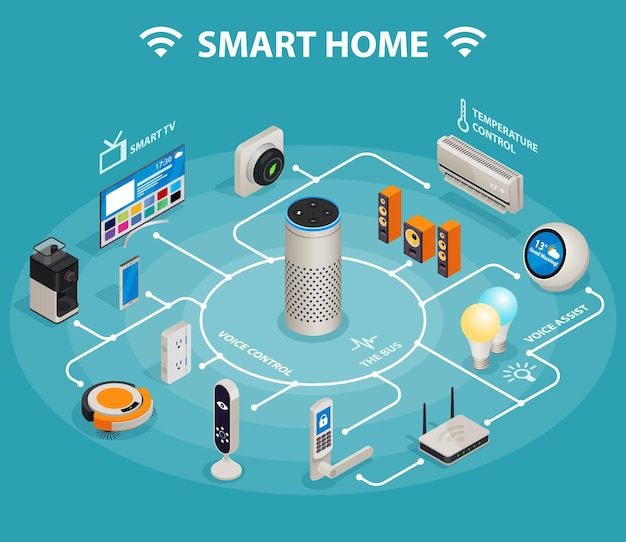
IoT systems are playing an increasingly important role in home automation, allowing individuals to control various aspects of their homes remotely. Some of the key benefits of IoT in home automation include:
Increased convenience: IoT systems can automate manual processes, allowing individuals to control various aspects of their homes remotely, including lighting, temperature, and security.
Improved energy efficiency: IoT systems can be integrated into home automation systems, providing real-time monitoring and control of energy usage, leading to improved energy efficiency and reduced costs.
Enhanced safety and security: IoT systems can be integrated into home security systems, providing real-time monitoring and control, reducing the risk of adverse events, and improving safety and security.
Healthcare:
IoT systems are also playing a critical role in healthcare, allowing for real-time monitoring and control of patient health. Some of the key benefits of IoT in healthcare include:
Improved patient outcomes: IoT devices and systems can provide real-time monitoring and control of patient health, reducing the risk of adverse events and improving patient outcomes.
Increased efficiency: IoT systems can automate manual processes, streamline workflows, and reduce downtime, leading to increased efficiency and productivity in healthcare.
Better decision-making: IoT devices and systems can provide real-time data, allowing healthcare professionals to make informed decisions based on accurate and up-to-date information.
The Future of IoT
The role of IoT in shaping the future:
IoT systems are playing an increasingly important role in shaping the future, providing individuals with the tools they need to navigate an ever-changing world. Some of the key ways in which IoT is shaping the future include:
Improved efficiency and productivity: IoT systems are streamlining workflows, reducing downtime, and improving efficiency and productivity in various industries.
Enhanced security and safety: IoT systems are providing real-time monitoring and control, reducing the risk of adverse events and improving security and safety in various industries.
Greater convenience: IoT systems are automating manual processes, allowing individuals to manage various aspects of their lives with greater ease and convenience.
Improved decision-making: IoT systems are providing real-time data, allowing individuals and organizations to make informed decisions based on accurate and up-to-date information.
The potential for growth and expansion:
"Unleashing the Potential: The Future Growth and Expansion of IoT"
IoT is already having a significant impact on various industries, from manufacturing and transportation to healthcare and home automation. The number of connected devices is expected to reach 75 billion by 2025, and the IoT market is expected to grow to $1.1 trillion by 2026.
The potential for growth and expansion in IoT is virtually limitless, and there are a number of key factors driving this growth, including:
Increasing adoption of IoT technology: As more individuals and organizations adopt IoT technology, the potential for growth and expansion will continue to grow.
Advances in technology: As technology continues to advance, IoT systems will become increasingly sophisticated, providing individuals with the tools they need to manage various aspects of their lives and work with greater ease and convenience.
Growing demand for real-time data: As the demand for real-time data continues to grow, IoT systems will become increasingly important in providing individuals and organizations with accurate and up-to-date information.
Integration with other technologies: IoT systems will continue to integrate with other technologies, such as artificial intelligence and machine learning, providing individuals with even greater control and insight into their lives and work.
Conclusion
Recap of key points:
In this blog post, we explored the Internet of Things (IoT) and its growing importance in today's world. IoT refers to the interconnected network of physical devices, vehicles, and other items embedded with electronics and software, allowing for the collection and exchange of data. IoT has become increasingly important due to its ability to improve efficiency and productivity, enhance security and safety, improve quality of life, provide real-time monitoring and control, better decision-making, connect the world, and increase sustainability.
Final thoughts on IoT and its impact:
IoT has emerged as a powerful technology that offers solutions to the growing demand for technology that improves lives. IoT plays a crucial role in filling the gap between the current state of technology and the desired state of a more connected, efficient, and secure world. IoT offers numerous benefits, including increased efficiency and productivity, enhanced security, improved accessibility, and enhanced quality of life.
Call-to-action for further exploration and learning:
With the continuous growth and development of IoT, it is important to stay informed about the latest advancements and potential applications. We encourage readers to further explore IoT and its impact on various industries and aspects of daily life. There are many online resources and educational opportunities available for learning more about IoT and its potential for growth and expansion.
About the Creator
Sriram B
"Tech junkie turned blogger, bringing the latest in tech news and innovations straight to your screen. Navigating the digital world with a passion for all things tech and a talent for making it accessible to everyone."
Enjoyed the story? Support the Creator.
Subscribe for free to receive all their stories in your feed.
Comments
There are no comments for this story
Be the first to respond and start the conversation.