
Connected Care in 2025: How Interoperability Transforms Patient Outcomes?
The Strategic Advantage of Interoperable Solutions
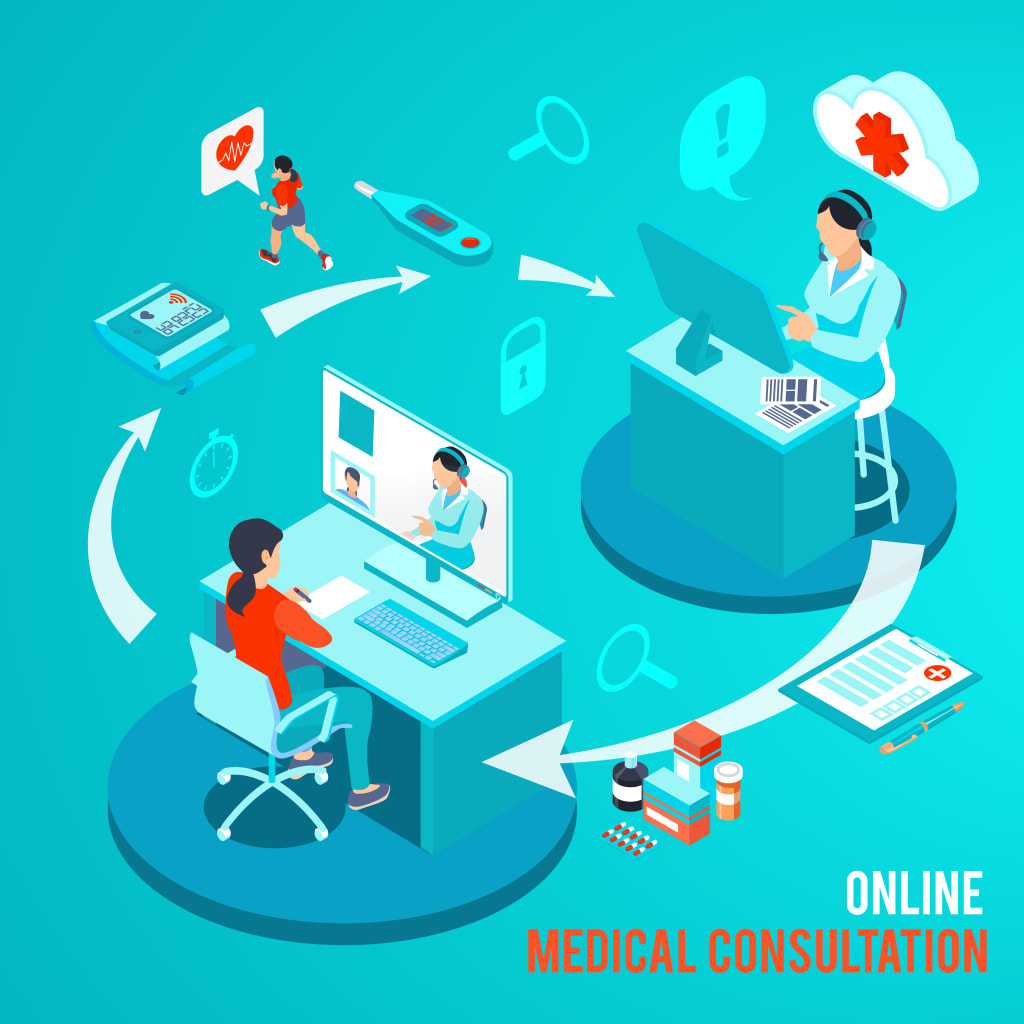
As healthcare slowly tansforms into a connected and patient-centric environment, the ability to share data effortlessly across diverse systems is essential. From reducing clinical errors to streamlining administrative tasks, interoperability is the reason why healthcare providers, payers, and patients interact with vital information. Below, we explore what interoperability is, why it’s essential, and how it drives better outcomes for everyone involved.
What Is Healthcare Interoperability?
Healthcare interoperability is the capacity for different information systems, devices, and applications to share, interpret, and act upon data in a unified manner. Rather than merely sending files from Point A to Point B, true interoperability ensures that the exchanged data is relevant, readily accessible, and easily understood—wherever and whenever it’s needed.
Interoperability means a patient’s medical record follows them, regardless of the facility they visit, the specialist they see, or the insurance network they belong to. This concept extends beyond basic data transfer, focusing on making sure that the information has real clinical value and can be used to improve patient care.
Why Is Interoperability Important in Healthcare?
1. Improving Patient Care and Outcomes
When data flows freely across systems, providers can see the complete picture of a patient’s health. This visibility reduces errors that could arise from missing or duplicated records, enables more accurate diagnoses, and fosters better coordination among primary care physicians, specialists, and other clinicians. Ultimately, interoperability saves time, cuts down on unnecessary tests, and helps physicians tailor more precise treatments.
2. Reducing Administrative Burden
Manual data entry and paper-based processes slow down healthcare operations, introduce risk for errors, and raise costs. Interoperable systems streamline these workflows by automatically updating patient records, transferring billing information, and reducing duplicative tasks. Administrative staff can then focus on higher-value activities—like patient engagement and service improvement—instead of chasing paperwork.
3. Meeting Regulatory and Compliance Demands
Governments worldwide are increasingly mandating data-sharing standards, recognizing that a connected healthcare ecosystem drives value-based care. In the U.S., regulations such as the 21st Century Cures Act call for open data exchange, while HIPAA emphasizes both security and the appropriate flow of patient information. By adopting interoperable systems, organizations stay compliant with these evolving rules, avoid penalties, and tap into incentive programs aimed at promoting coordinated care.
4. Enhancing Care Coordination and Transitions
Patients often move between different healthcare settings—hospitals, outpatient clinics, rehabilitation centers, and home care. Interoperability ensures each of these touchpoints has up-to-date records, avoiding redundant testing or conflicting treatment plans. Whether someone is referred to a specialist or discharged to a rehabilitation facility, a continuous data flow means fewer gaps in communication and smoother handoffs between teams.
5. Empowering Patients
Today’s patients expect more ownership of their health journey, whether that involves viewing lab results through a portal or syncing wearable data with a medical record. Interoperability enables this by integrating multiple sources of health information into one accessible platform. Patients gain real-time insights into their condition, become more engaged with care plans, and can communicate more effectively with their providers.
6. Driving Down Healthcare Costs
Duplicate lab tests, avoidable readmissions, and billing complexities all contribute to skyrocketing healthcare costs. Interoperability helps mitigate these expenses by consolidating information, eliminating repeated work, and speeding up reimbursements. Clinics and hospitals also see reduced overhead when processes—like pharmacy orders or insurance claims—no longer need manual intervention.
Real-world examples of Interoperability
Electronic Health Records (EHR) and Health Information Exchanges (HIEs)
An EHR connected to a regional Health Information Exchange automatically sends and receives patient data, such as past diagnoses, imaging studies, or lab results. This integrated approach spares providers from having to request records manually and ensures decisions are made with full knowledge of a patient’s medical history.
Lab and Pharmacy Integrations
Instead of relying on phone calls or faxes, lab results and prescription data feed directly into a patient’s record. Clinicians see updates in real time, patients get faster test outcomes, and pharmacies can fill orders more accurately. This electronic loop shortens wait times, reduces human error, and boosts patient satisfaction.
Patient Wearables and Remote Monitoring
The rising popularity of wearables—like heart rate monitors or blood glucose sensors—offers a goldmine of real-time data. When these devices connect seamlessly with EHR systems, providers can track chronic conditions, spot irregularities early, and adjust care plans quickly. For patients, having their health data aggregated in one place encourages proactive self-management.
Telehealth Platforms
Virtual care solutions that sync with EHRs allow clinicians to access the latest patient information during video visits. Whether it’s a post-surgical follow-up or a mental health counseling session, providers have the context they need to deliver high-quality care remotely. Patients appreciate the convenience, and providers reduce administrative hurdles by having everything in one place.
Best Practices for Achieving Seamless Interoperability
1. Adopt Recognized Data Standards
Standards like HL7, FHIR, and others provide a common language for data exchange. By adhering to these widely accepted frameworks, organizations ensure that information moves smoothly between systems, regardless of the vendor or platform.
2. Invest in Scalable Infrastructure
Healthcare data will only continue to expand, especially as technologies like AI-based diagnostics and Internet of Things (IoT) devices become more widespread. Scalable, often cloud-based, infrastructure helps organizations adapt without sacrificing performance or security.
3. Engage All Stakeholders Early
Interoperability isn’t just an IT concern. It affects clinicians who enter and use the data, patients who want to access their records, and administrators who manage workflows. Bringing these groups into the conversation from the outset builds a solution that aligns with real-world needs and garners broader buy-in.
4. Provide Continuous Training
Even the most advanced systems are only as effective as the people who use them. Regular training sessions, user-friendly interfaces, and readily available support resources encourage staff to embrace the new workflows and utilize the full capabilities of interoperable solutions.
Conclusion
Interoperability is no longer a “nice-to-have”; it’s the bedrock of modern, efficient, and patient-centered healthcare. By ensuring that data is available and meaningful across diverse platforms, organizations can reduce administrative overhead, meet regulatory requirements, and—most importantly—deliver better care.
Ready to learn more about creating connected healthcare systems? Explore Nalashaa Healthcare Solution's range of healthcare interoperability services designed to help you navigate every step of building and optimizing a truly seamless data-sharing environment. From technical consultation to end-to-end implementation, our experts are here to guide you toward a smarter, more efficient future in healthcare.
About the Creator
Enjoyed the story? Support the Creator.
Subscribe for free to receive all their stories in your feed.
Comments
There are no comments for this story
Be the first to respond and start the conversation.