
Computer Networks
Introduction to Computer Networks: Protocols and Architectures


Computer networks are an integral part of our modern-day society, enabling the seamless exchange of information and communication between devices and users across the globe. At the heart of every computer network lies a set of protocols and architectures that govern the way data is transmitted, routed, and received. In this article, we will explore the fundamentals of computer network protocols and architectures and their significance in enabling effective communication.
A computer network can be defined as a collection of interconnected devices, such as computers, servers, routers, and switches, which are linked together to facilitate data sharing and resource sharing. These devices communicate with each other using a common set of rules and conventions known as protocols. Protocols define the format, timing, and sequencing of data transmission, ensuring that information is reliably transmitted from one device to another.
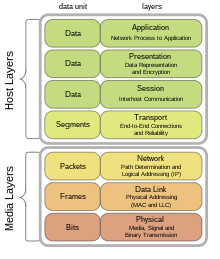
One of the most widely used and fundamental protocols in computer networking is the Internet Protocol (IP). IP provides the addressing scheme and routing mechanisms that allow data packets to be transmitted across different networks. It assigns a unique IP address to each device on the network, enabling packets to be correctly addressed and delivered to their intended destinations. IP forms the foundation of the Internet and is essential for interconnecting networks on a global scale.
Another crucial protocol in computer networks is the Transmission Control Protocol (TCP). TCP ensures reliable data delivery by establishing a connection-oriented communication between devices. It breaks data into small segments and assigns sequence numbers to each segment, allowing the receiver to reassemble them in the correct order. TCP also provides mechanisms for flow control and error recovery, ensuring that data is transmitted accurately and efficiently.
In addition to IP and TCP, there are numerous other protocols that perform specific functions within a computer network. For example, the Hypertext Transfer Protocol (HTTP) is used for transmitting web pages and resources over the Internet, while the Simple Mail Transfer Protocol (SMTP) is responsible for sending and receiving email messages. These protocols work together to enable a wide range of applications and services on computer networks.
Computer network architectures determine the structure and organization of the network, including how devices are connected and how data flows between them. The most common network architecture is the client-server architecture, where centralized servers provide resources and services to client devices. This architecture is widely used in applications such as web browsing, email, and file sharing. Another architecture is the peer-to-peer (P2P) architecture, where devices directly communicate and share resources with each other without the need for centralized servers. P2P architectures are commonly used in file-sharing applications and decentralized networks.
Network architectures also encompass the physical components that make up the network, such as cables, routers, switches, and wireless access points. The physical infrastructure plays a crucial role in determining the performance, scalability, and reliability of the network. Various network topologies, such as star, bus, ring, and mesh, dictate how devices are connected and how data flows within the network.
Computer network protocols and architectures are continually evolving to meet the ever-increasing demands of modern communication. Emerging technologies such as cloud computing, Internet of Things (IoT), and 5G networks are driving the need for more efficient, scalable, and secure network protocols. Additionally, advancements in network virtualization and software-defined networking are transforming the way networks are designed and managed, offering more flexibility and agility.
In conclusion, computer network protocols and architectures form the backbone of modern-day communication systems. They provide the rules, conventions, and structures necessary for devices to communicate and share resources effectively. Understanding these protocols and architectures is essential for network administrators, engineers, and anyone involved in the design and maintenance of computer networks. As technology continues to evolve, it is crucial to stay updated with the latest protocols and architectures to build robust and efficient networks that meet the needs of our interconnected world.
About the Creator
SUSILKUMAR S
I am dedication and commitment to their craft have earned them a loyal following, and they continue to captivate their audience with fresh, well-crafted content on a regular basis. Their blog serves as a reliable destination for individual
Enjoyed the story? Support the Creator.
Subscribe for free to receive all their stories in your feed.
Comments
There are no comments for this story
Be the first to respond and start the conversation.