
Comprehensive Guide to B.Sc. Aviation Subjects
B.Sc. Aviation Subjects
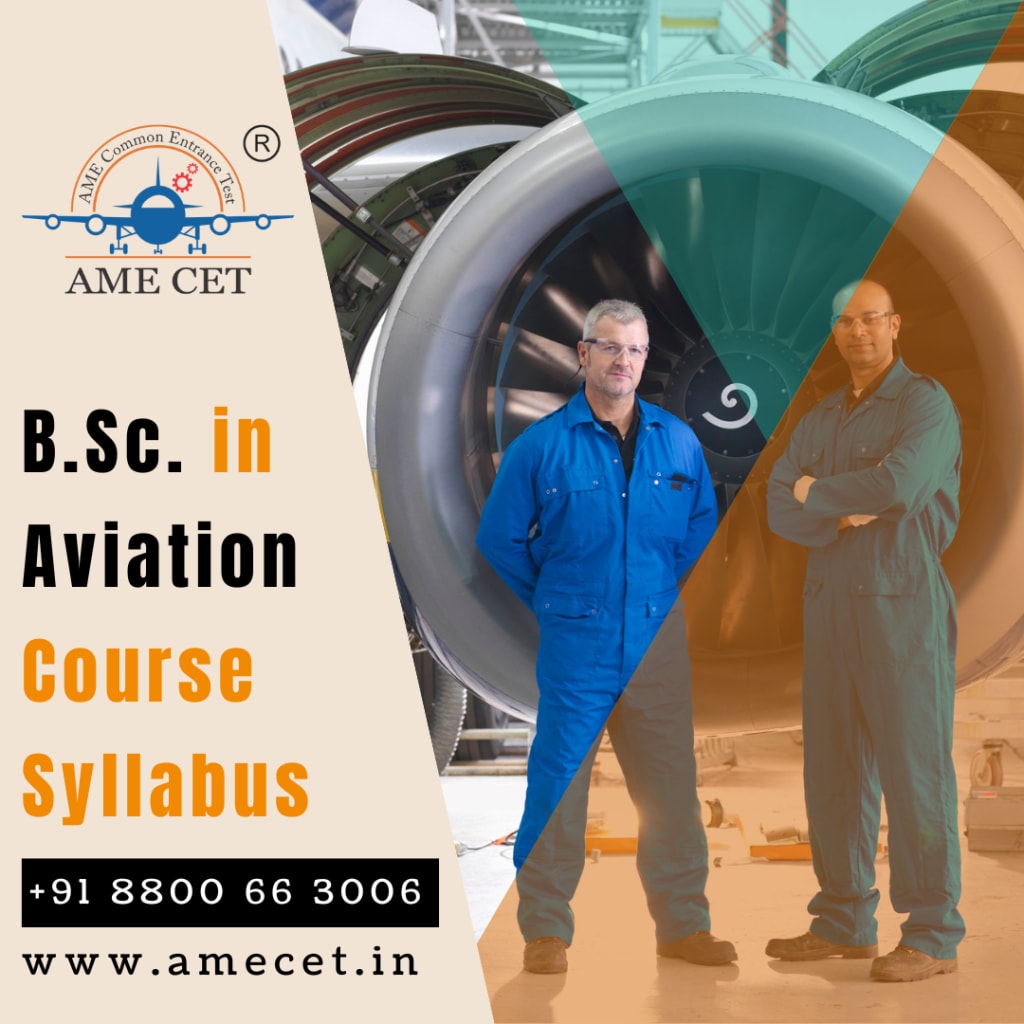
A Bachelor of Science (B.Sc.) in Aviation is a specialized program designed to equip students with the knowledge and skills required for a successful career in the aviation industry. The curriculum combines theoretical concepts with practical applications to ensure students are well-prepared to meet the demands of the dynamic aviation sector. In this article, we explore the B.Sc. Aviation subjects, highlighting their importance and relevance in building a strong foundation for aspiring aviation professionals.
Core Subjects in B.Sc. Aviation
The syllabus for B.Sc. in Aviation subjects is meticulously crafted to cover all essential aspects of the aviation field. Here’s a detailed look at the core subjects:
1. Aviation Meteorology
This subject focuses on understanding weather patterns, atmospheric conditions, and their impact on aviation operations.
Students learn to interpret and analyze meteorological data to ensure safe and efficient flight planning.
It plays a critical role in understanding how weather influences flight safety, schedules, and overall efficiency.
2. Air Traffic Control (ATC)
Covers the principles, procedures, and operations of managing air traffic.
Students are trained in techniques to maintain orderly and safe air traffic flow, ensuring smooth communication between pilots and controllers.
Prepares graduates for potential careers as air traffic controllers or roles requiring strong operational coordination skills.
3. Aircraft Systems and Structures
Provides an in-depth understanding of the components, systems, and structural design of an aircraft.
Includes topics such as propulsion systems, avionics, electrical systems, and aerodynamics.
Equips students with technical expertise essential for roles in aircraft maintenance, design, or system analysis.
4. Aviation Management
Focuses on the business and operational facets of aviation.
Topics include airport operations, airline management, logistics, and supply chain management.
Offers insights into the commercial and managerial challenges of the aviation industry, preparing students for leadership roles.
5. Aerodynamics
Explores the principles of flight mechanics, including the forces acting on an aircraft.
Helps students understand the science behind lift, drag, thrust, and weight.
Crucial for optimizing aircraft performance and ensuring flight stability.
6. Navigation and Communication
Introduces students to advanced navigation systems, flight instruments, and communication protocols.
Essential for aspiring pilots and aviation managers who must ensure accurate and safe operations during flights.
Builds a foundation in using technology for effective air travel management.
Elective Subjects and Practical Training
Beyond the core subjects, students can choose elective courses based on their interests and career aspirations. These electives may include:
Aviation Safety and Security: Focuses on protocols to maintain safety standards in aviation operations.
Human Factors in Aviation: Examines the role of human behavior in aviation efficiency and safety.
Airline Marketing and Customer Relations: Explores strategies to enhance customer satisfaction and brand loyalty in the aviation sector.
Practical training forms a vital component of the curriculum. Students participate in:
Flight Simulations: Hands-on experience with real-time scenarios to enhance decision-making skills.
Airport Visits: Exposure to operational dynamics at airports to understand day-to-day challenges.
Internships: Opportunities to work with airlines, aviation companies, or airport authorities, gaining industry insights.
Importance of Studying These Subjects
The subjects in B.Sc. Aviation are thoughtfully designed to ensure students acquire a blend of theoretical knowledge and practical expertise. Key advantages include:
Technical Proficiency: Mastering technical subjects such as aerodynamics and aircraft systems prepares students for engineering or technical roles.
Operational Skills: Subjects like aviation management and ATC develop analytical thinking and problem-solving abilities.
Safety Awareness: Understanding meteorology and safety protocols ensures graduates can contribute to safe and reliable aviation practices.
Career Opportunities After B.Sc. Aviation
The B.Sc. in Aviation subjects open doors to a multitude of career opportunities in the aviation sector. Graduates can pursue roles such as:
Commercial Pilot: Utilizing navigation, communication, and meteorology skills to ensure safe and efficient flights.
Air Traffic Controller: Managing the flow of air traffic and ensuring safety in the skies.
Aviation Manager: Overseeing airport or airline operations with a focus on efficiency and customer satisfaction.
Aircraft Maintenance Engineer: Applying knowledge of aircraft systems to ensure optimal performance and safety.
Graduates may also opt for advanced studies, such as a Master’s in Aviation Management, or pursue specialized certifications for enhanced career prospects.
Conclusion
The B.Sc. Aviation subjects are designed to prepare students for the ever-evolving demands of the aviation industry. By covering a wide array of topics, from technical skills to operational expertise, the program ensures students are ready for diverse roles in the field. Whether you aim to become a pilot, an air traffic controller, or an aviation manager, this course equips you with the necessary knowledge and skills to achieve your goals.
Start your journey in aviation by mastering the B.Sc. in Aviation subjects, and unlock a world of opportunities in one of the most exciting and rewarding industries.
For More Details:- https://www.amecet.in/bachelor-of-science-bsc-in-aviation-course-syllabus.php
About the Creator
Enjoyed the story? Support the Creator.
Subscribe for free to receive all their stories in your feed.
Comments
There are no comments for this story
Be the first to respond and start the conversation.