
Common Spine Conditions Treated with Minimally Invasive Surgery
Discover common spine conditions treated with minimally invasive surgery, benefits, recovery expectations, and when to consider surgical care.

Back pain has a way of changing everything. Simple things like getting out of bed, sitting through a meeting, driving to work, or even enjoying time with family can become difficult when your spine is causing constant discomfort. For many people, back or neck pain starts as something manageable. Maybe it feels like stiffness after a long day or pain that comes and goes. But when symptoms become persistent, start affecting movement, or begin interfering with daily life, it may be time to explore advanced treatment options.
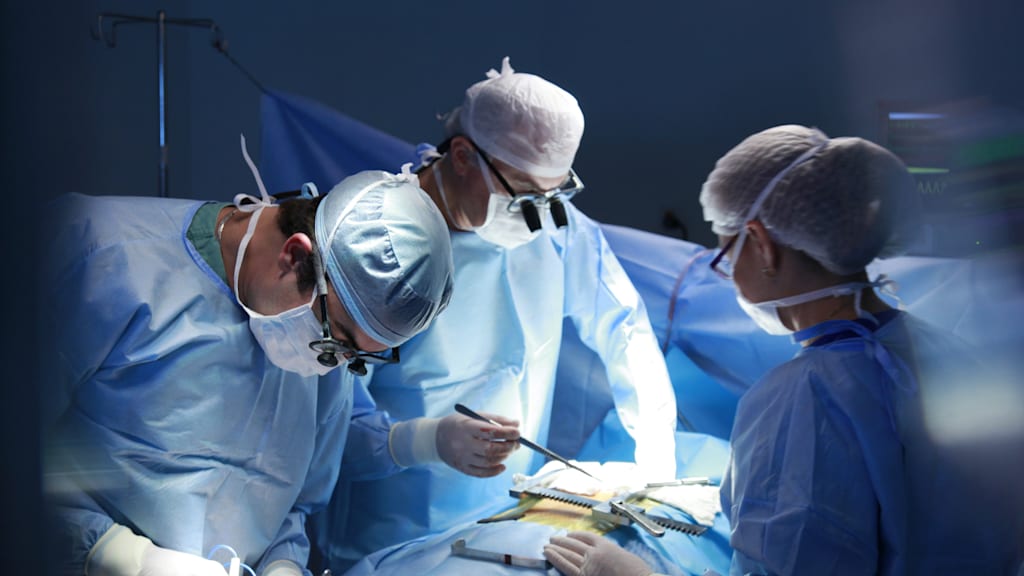
One of the biggest advancements in spine care over the last few decades has been minimally invasive spine surgery. This modern approach has changed the way surgeons treat many spinal conditions. Instead of large incisions and long recovery periods, minimally invasive techniques allow surgeons to treat spinal problems through smaller openings with less disruption to muscles and surrounding tissues.
For patients dealing with chronic spine pain, nerve compression, or loss of mobility, this can mean faster recovery, less post operative discomfort, and a quicker return to everyday activities.
So what spine conditions can actually be treated with minimally invasive surgery? Let’s take a closer look.
What Is Minimally Invasive Spine Surgery?
Minimally invasive spine surgery is a specialized surgical approach designed to treat spinal problems with as little damage to surrounding tissues as possible.
During these procedures, spine surgeons use small incisions, advanced imaging technology, and specialized instruments to access the spine with precision. Unlike traditional open surgery, where larger incisions may be needed, minimally invasive procedures focus on targeting the problem area directly.
This approach often helps reduce muscle damage, blood loss, and recovery time.
Not every patient is a candidate for minimally invasive surgery, but for the right person, it can be life changing.
1. Herniated Disc
A herniated disc is one of the most common spinal conditions treated with minimally invasive surgery.
Your spine contains discs that act like cushions between the vertebrae. When one of these discs becomes damaged, the inner material can push outward and place pressure on nearby nerves.
This may lead to symptoms such as:
• Sharp back or neck pain
• Numbness in the arms or legs
• Tingling sensations
• Muscle weakness
• Pain that travels down the leg, often called sciatica
Many herniated discs improve with physical therapy, medication, or injections. However, if symptoms continue or nerve compression becomes severe, surgery may be recommended.
A minimally invasive procedure called microdiscectomy is often used to remove the portion of the disc pressing on the nerve. Because the incision is small and surrounding tissues are preserved, recovery is often smoother compared to traditional surgery.
2. Spinal Stenosis
Spinal stenosis occurs when the spaces within the spine begin to narrow. This narrowing can place pressure on nerves or even the spinal cord.
This condition is often related to aging and wear over time. It commonly affects the lower back or neck.
Symptoms may include:
• Back pain that worsens with walking
• Leg weakness
• Numbness or tingling
• Difficulty standing for long periods
• Balance problems
For some people, spinal stenosis makes everyday activities frustrating and exhausting.
When conservative treatments stop working, minimally invasive decompression surgery may help. During this procedure, the surgeon removes the tissue or bone creating pressure on the nerves.
Many patients experience improved mobility and reduced pain after treatment.
3. Degenerative Disc Disease
Despite the name, degenerative disc disease is not technically a disease. It is a condition that happens when spinal discs naturally wear down over time.
As discs lose hydration and flexibility, they may become less effective at absorbing movement and pressure. This can lead to chronic pain and reduced spinal stability.
Common symptoms include:
• Chronic lower back pain
• Neck stiffness
• Pain that increases with movement
• Discomfort while sitting for long periods
Treatment often starts with physical therapy, exercise, and pain management. But when pain continues to affect daily life, minimally invasive surgical options may be considered.
In some cases, spinal fusion or disc stabilization procedures can help restore support and reduce painful motion.
4. Spondylolisthesis
Spondylolisthesis occurs when one vertebra slips forward over the bone beneath it.
This can create spinal instability and nerve compression, especially in the lower back.
Symptoms may include:
• Persistent lower back pain
• Tight hamstrings
• Leg pain
• Weakness or numbness
• Difficulty walking or standing
In mild cases, non surgical treatments may provide relief. But if the spinal instability becomes significant or nerve symptoms worsen, surgery may be necessary.
Minimally invasive spinal fusion is commonly used to stabilize the affected area while preserving as much healthy tissue as possible.
5. Sciatica Caused by Nerve Compression
Sciatica is not a condition by itself. It is a symptom caused by irritation or compression of the sciatic nerve.
This often happens because of:
• Herniated discs
• Bone spurs
• Spinal stenosis
Sciatica pain usually travels from the lower back into the buttock, leg, or foot
Patients often describe it as burning, shooting, or electric pain.
When sciatica becomes severe and does not improve with non surgical care, minimally invasive procedures can help remove the pressure causing the nerve irritation.
6. Vertebral Compression Fractures
Vertebral compression fractures often occur in older adults, especially those with osteoporosis.
These fractures can cause sudden and intense back pain.
Symptoms may include:
• Sudden back pain
• Loss of height
• Stooped posture
• Pain while standing or walking
A minimally invasive procedure called kyphoplasty can help stabilize the fracture and restore vertebral support.
This treatment can often provide significant pain relief and improve mobility.
Benefits of Minimally Invasive Spine Surgery
Many patients choose minimally invasive spine surgery because of the potential advantages.
These may include:
• Smaller incisions
• Less damage to muscles
• Reduced blood loss
• Lower risk of infection
• Shorter hospital stays
• Faster return to normal activities
• Less post operative discomfort
These benefits can make a major difference in the recovery experience.
When Should You Consider Spine Surgery?
Surgery is usually not the first step in spine treatment.
Most spine specialists begin with conservative care such as:
• Physical therapy
• Medication
• Activity modification
• Epidural injections
• Lifestyle changes
However, surgery may become necessary if:
• Pain continues for months
• Symptoms are getting worse
• Weakness develops
• Walking becomes difficult
• Daily life is significantly affected
A complete evaluation, including imaging studies and physical examination, can help determine the best treatment path.
Final Thoughts
Living with chronic spine pain can be physically exhausting and emotionally draining. The good news is that surgical treatment has advanced significantly.
Minimally invasive spine surgery offers many patients an opportunity to treat the root cause of pain with less disruption to the body and a more manageable recovery process.
From herniated discs and spinal stenosis to compression fractures and spinal instability, many conditions can now be treated using precise, modern techniques.
If back or neck pain is limiting your quality of life, speaking with a spine specialist may be the first step toward lasting relief.
Frequently Asked Questions
Is minimally invasive spine surgery painful?
Most patients experience less post operative discomfort compared to traditional spine surgery. Some soreness during recovery is normal.
How long does recovery take?
Recovery depends on the procedure and overall health, but many patients return to light activities within a few weeks.
Is minimally invasive spine surgery safe?
For properly selected patients, it is considered a safe and effective treatment option when performed by an experienced spine surgeon.
Can all spine problems be treated this way?
No. Some complex spine conditions may still require traditional surgical approaches.
Who is a good candidate for minimally invasive spine surgery?
Patients with herniated discs, spinal stenosis, nerve compression, or spinal instability may be candidates after a full medical evaluation.
About the Creator
Bradley Mitchell
I’m a passionate content writer who loves turning ideas into impactful stories. From blog posts to website copy, I create content that not only informs but also engages and inspires readers.
Enjoyed the story? Support the Creator.
Subscribe for free to receive all their stories in your feed.
Comments
There are no comments for this story
Be the first to respond and start the conversation.