
Common Problems with Granulation Tissue and How to Manage Them
Granulation tissue is critical in wound healing, but complications such as proud flesh, sluggish granulation, and infection can disrupt recovery. This article reviews common issues, evidence-based management strategies, the importance of simulation-based training, and preventive approaches for better patient care.
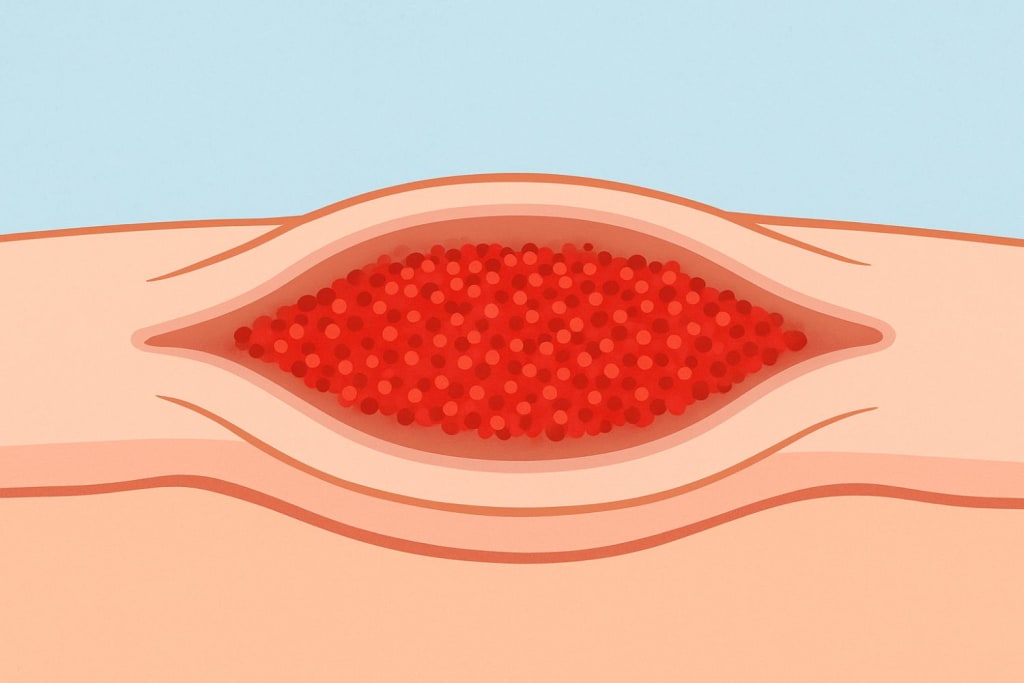
I still remember my first encounter with an unusual wound healing case during nursing training. A patient'leg ulcer that initially looked like it was improving suddenly began to show an overgrowth of red, raised tissue. At first, I thought it was a sign of rapid healing, but my supervisor quickly explained that this was proud flesh, a type of granulation tissue complication that can actually delay recovery. That experience taught me that while granulation tissue is essential for healing, its abnormalities can create serious challenges if not addressed properly.
Granulation tissue plays a central role in wound healing by filling defects with new connective tissue and tiny blood vessels. However, complications can arise, leading to poor healing outcomes, infection risks, and even long-term tissue damage. In this blog, we will explore three of the most common complications: proud flesh (excessive granulation), sluggish granulation, and infected granulation tissue and discuss how healthcare professionals can manage them effectively.
1. Proud Flesh (Excessive Granulation Tissue)
What it looks like:
Proud flesh appears as raised, red, and moist tissue that protrudes above the wound margins. Instead of allowing epithelial cells to cover the wound, the overgrowth blocks closure.
Why it happens:
- Prolonged inflammation
- Excess moisture or occlusive dressings
- Repeated trauma or infection
Management strategies:
- Gentle cauterization (e.g., with silver nitrate) to reduce excess tissue
- Pressure dressings to limit overgrowth
- Surgical trimming in severe cases
- Optimizing wound moisture balance
By recognizing and managing proud flesh early, clinicians can restore the wound's natural healing trajectory.
2. Sluggish or Delayed Granulation
What it looks like:
Instead of building healthy, beefy red tissue, the wound shows pale, thin, or stagnant granulation tissue. Healing progress is slow, and the wound bed may remain shallow without closure.
Why it happens:
- Poor blood supply (ischemia)
- Malnutrition or systemic illness
- Inadequate wound care techniques
- Excessive dryness or exposure
Management strategies:
- Enhance perfusion through vascular support
- Apply moist wound dressings to maintain hydration
- Use advanced therapies such as negative pressure wound therapy (NPWT)
- Ensure the patient has adequate protein, vitamins, and micronutrients for healing
Sluggish granulation can often be reversed by addressing underlying systemic factors and improving local wound conditions.
3. Infected Granulation Tissue
What it looks like:
Granulation tissue that appears dark red, swollen, friable, or produces foul-smelling exudate may be infected. Infections often lead to pain, increased wound size, and delayed epithelialization.
Why it happens:
- Poor wound hygiene
- Contaminated dressings
- Immunocompromised status of the patient
Management strategies:
- Strict wound cleansing and aseptic technique
- Appropriate topical or systemic antibiotics
- Removal of necrotic tissue through debridement
- Use of antimicrobial dressings (e.g., silver-impregnated materials)
Prompt recognition and treatment are crucial to prevent systemic infection or sepsis.
Why Simulation Matters in Training
In medical and nursing education, understanding how to identify and manage granulation tissue complications is crucial. One effective method is through the use of granulation simulation wound models. These training tools allow students and professionals to practice assessing wound conditions and applying appropriate interventions in a controlled, risk-free environment. By simulating proud flesh, sluggish healing, or infected tissue, trainees gain confidence in clinical decision-making before working with real patients.
In conclusion
Granulation tissue is a vital part of wound healing, but it is not always straightforward. Proud flesh, sluggish granulation, and infected tissue each present unique challenges requiring timely intervention. Clinical awareness, proper wound management techniques, and effective training with tools like granulation simulation wound models all play an essential role in helping clinicians respond appropriately.
As my early experience in nursing taught me, understanding these complications is not just about theory. It's about improving patient outcomes in real, often complex, clinical situations.
About the Creator
Enjoyed the story? Support the Creator.
Subscribe for free to receive all their stories in your feed.
Comments
There are no comments for this story
Be the first to respond and start the conversation.