
Common Problems with Granulation Tissue and How to Manage Them
Granulation tissue is key to wound healing but can face complications like proud flesh, sluggish growth, and infection. Learn causes, signs, and management strategies for better clinical outcomes.
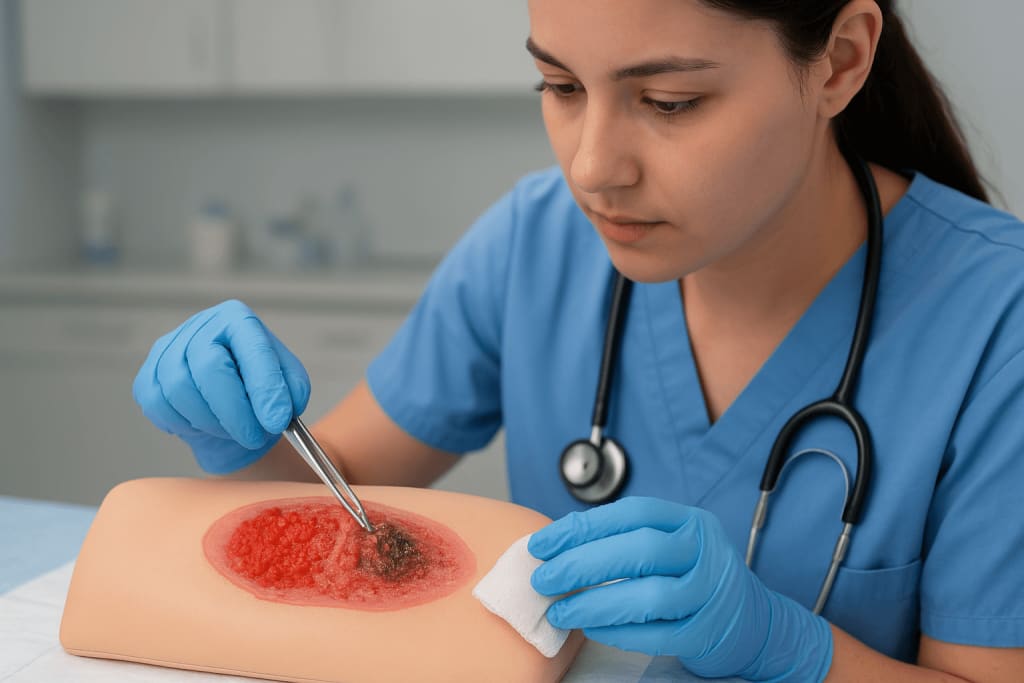
I still remember the first time I encountered a wound with excessive granulation tissue during my nursing rotation. The patient had a surgical incision that should have been healing steadily, but instead there was this soft, reddish mound of tissue protruding above the wound edges. As a student, I was both fascinated and worried - was this normal, or a sign of trouble? Later I learned this was a case of proud flesh, one of several common complications in granulation tissue formation that can delay or even derail wound healing.
Granulation tissue plays a vital role in wound repair. It consists of new connective tissue and tiny blood vessels that form on the surface of a healing wound. Healthy granulation is pink or red, moist, and slightly uneven in texture. But not all granulation develops ideally. There are several complications clinicians must recognize early in order to intervene effectively.
1. Excessive Granulation Tissue (Proud Flesh)
What it looks like:
Excessive granulation tissue protrudes above the level of the wound margins, giving the wound a raised, "overgrown" appearance. It often bleeds easily and prevents epithelial cells from migrating across the wound bed.
Why it happens:
Proud flesh is usually caused by prolonged inflammation, high levels of exudate, or repeated trauma to the wound area. It is more common in wounds exposed to constant movement or friction, such as on joints or in post-surgical incisions.
Management strategies:
- Mechanical removal: Surgical trimming or cauterization (e.g., with silver nitrate) may be required to reduce excess tissue.
- Dressings: Foam or alginate dressings can help manage exudate and reduce pressure.
- Topical therapy: Corticosteroid creams are sometimes used to limit further overgrowth.
Early recognition is key; otherwise, proud flesh can stall epithelialization and extend recovery time.
2. Sluggish or Non-Granulating Wounds
What it looks like:
Instead of healthy red tissue, the wound base may appear pale, dry, or covered with yellowish slough. Granulation is either minimal or absent.
Why it happens:
Sluggish granulation can result from poor vascular supply, malnutrition, pressure, infection, or systemic factors such as diabetes. Essentially, the wound lacks the biological “energy” to progress.
Management strategies:
- Optimize circulation: Encourage ambulation or use compression therapy when appropriate.
- Debridement: Removing necrotic tissue stimulates healing.
- Nutritional support: Adequate protein, vitamins, and hydration are essential.
- Adjunctive therapies: Negative pressure wound therapy (NPWT) or growth factor dressings can help stimulate granulation.
For educators, using a granulation simulation wound in training helps students understand what sluggish tissue looks like and practice appropriate interventions without patient risk.
3. Infected Granulation Tissue
What it looks like:
Infected granulation tissue may appear dark red, swollen, and friable, often accompanied by purulent drainage, foul odor, or increased pain. Systemic signs like fever may also occur.
Why it happens:
Infection occurs when bacteria colonize the wound bed, overwhelming the natural immune defenses. This is more likely in chronic wounds, deep traumatic injuries, or wounds with poor dressing practices.
Management strategies:
- Debridement and cleaning: Remove infected tissue and irrigate the wound thoroughly.
- Antimicrobial dressings: Silver, iodine, or honey dressings can help control bacterial load.
- Systemic antibiotics: Necessary in cases of spreading infection or cellulitis.
- Close monitoring: Early detection prevents sepsis or deeper tissue involvement.
Granulation tissue is a sign of progress in wound healing, but when complications arise, clinicians must act quickly to steer the wound back on track. Whether dealing with proud flesh, sluggish granulation, or infection, the principles of wound care - assessment, intervention, and prevention -remain the same.
As my early experience with proud flesh taught me, these complications are not just textbook concepts but real challenges that patients face. Training with realistic wound models, like a granulation simulation wound, provides students and professionals with the confidence to recognize and manage these issue in practice.
About the Creator
Enjoyed the story? Support the Creator.
Subscribe for free to receive all their stories in your feed.
Comments
There are no comments for this story
Be the first to respond and start the conversation.