
Common Neonatal Nursing Skills Checklist
This guide outlines commonly practiced neonatal nursing competencies and highlights why structured practice plays a major role in successful neonatal care education.
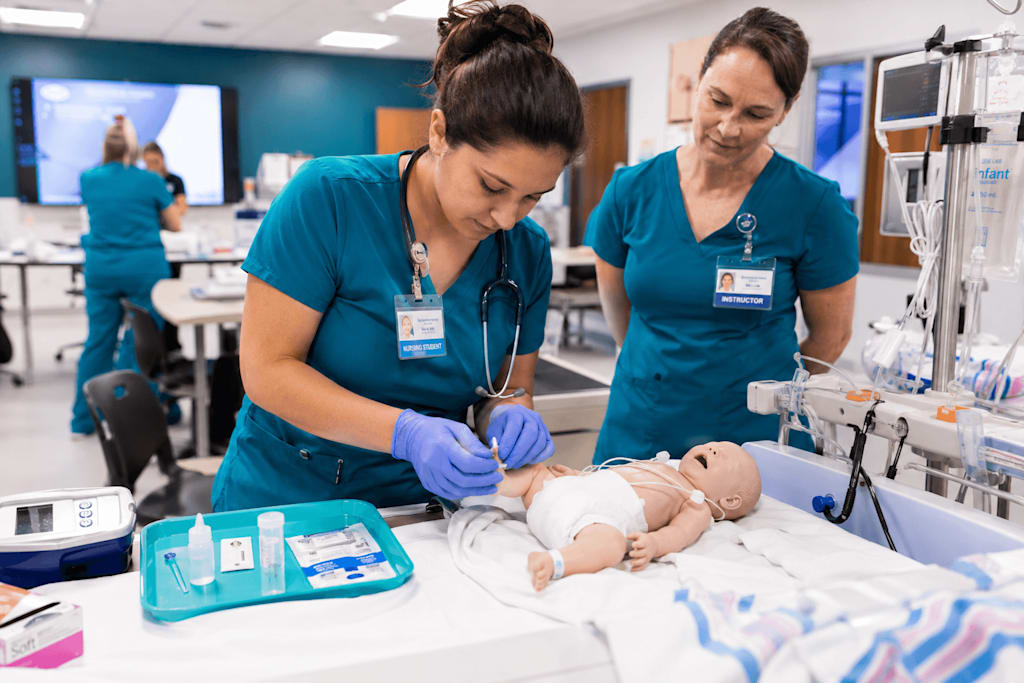
Stepping into neonatal care can feel both exciting and overwhelming for nursing students and new healthcare professionals. Unlike adult patients newborns require specialized assessment techniques careful handling and precise clinical procedures. Small differences in positioning observation and communication can significantly affect patient outcomes.
Because neonatal patients are highly vulnerable healthcare institutions often rely on standardized skill checklists to ensure consistency and competency development. These checklists help nursing students practice and master essential procedures before entering real clinical environments.
Whether preparing for nursing school clinical rotations pediatric placements simulation labs or competency assessments understanding the most common neonatal nursing skills can improve confidence and readiness.
This guide outlines commonly practiced neonatal nursing competencies and highlights why structured practice plays a major role in successful neonatal care education.
Why Neonatal Nursing Skills Require Specialized Training
Newborn care differs substantially from adult and pediatric nursing practice. Neonates have unique physiological characteristics including fragile skin immature immune systems smaller anatomical structures and rapidly changing vital signs.
Tasks that may appear simple such as obtaining a blood sample measuring temperature or positioning a newborn often require additional precision and technique.
Common challenges include
- Small anatomical landmarks
- Delicate tissue handling
- Communication with parents and caregivers
- Infection control requirements
- Safe handling and positioning techniques
- Time sensitive procedures
Because repeated clinical exposure may be limited many training programs supplement education through simulation and skills based practice.
Common Neonatal Nursing Skills Checklist
Below are several important competencies frequently included in neonatal nursing education programs and clinical assessment frameworks.
Newborn Physical Assessment
One of the earliest skills students learn involves conducting a complete neonatal assessment.
Typical assessment tasks may include
- Measuring weight length and head circumference
- Observing skin color and texture
- Evaluating muscle tone and posture
- Assessing reflexes
- Monitoring respiratory effort
- Identifying abnormal findings
Accurate assessment supports early identification of health concerns and establishes baseline information for ongoing care.
Temperature Monitoring and Thermoregulation
Newborns have difficulty regulating body temperature which makes monitoring especially important.
Learners often practice
- Axillary temperature measurement
- Proper swaddling techniques
- Use of radiant warmers
- Incubator monitoring
- Prevention of heat loss
Understanding thermoregulation principles helps reduce neonatal complications.
Infant Positioning and Safe Handling
Proper handling protects both infant comfort and physiological stability.
Training often includes
- Safe transfer techniques
- Swaddling methods
- Side lying and supine positioning
- Airway positioning
- Head and neck support
Developing proper handling habits early improves patient safety.
Feeding Assistance and Observation
Feeding assessments play an important role in neonatal care.
Students may practice
- Bottle feeding techniques
- Breastfeeding support observation
- Burping methods
- Identifying feeding difficulties
- Monitoring intake patterns
Careful feeding observation can reveal important developmental or health concerns.
Vital Signs Monitoring
Neonatal vital sign assessment differs from adult monitoring.
Training commonly includes
- Respiratory rate evaluation
- Heart rate measurement
- Oxygen saturation assessment
- Temperature monitoring
- Recognizing abnormal values
Repeated practice improves confidence and accuracy.
Infection Prevention and Hygiene Procedures
Neonatal patients are especially vulnerable to infection.
Skills often include
- Proper hand hygiene
- Umbilical cord care
- Personal protective equipment use
- Environmental cleanliness practices
- Isolation protocol awareness
Attention to infection prevention remains a core component of neonatal nursing education.
Neonatal Blood Collection and Heel Stick Training
Among the most frequently practiced neonatal procedures is blood sample collection through heel stick techniques.
Heel stick procedures are commonly used for newborn screening programs and blood spot collection. Since neonatal heels are small and delicate learners often benefit from repeated hands on practice before clinical application.
Training generally focuses on
- Identifying proper puncture sites
- Preparing the heel
- Performing safe puncture technique
- Encouraging blood flow
- Collecting blood spot samples
- Following complete procedural workflow
For readers interested in a more detailed procedural overview you can read Newborn Heel Stick Test.
Understanding procedural steps before entering simulation or clinical environments can improve both confidence and skill retention.
Many nursing programs also integrate simulation tools that allow learners to practice repeatedly without involving real newborn patients.
Hands on training with the Infant Heel Stick Simulator can support neonatal blood collection education and procedural skill development.
Simulation models help learners develop familiarity with heel anatomy blood collection technique and workflow sequencing before real patient encounters.
Communication Skills in Neonatal Nursing
Technical competency alone does not define excellent neonatal care.
Nurses also regularly communicate with
- Parents
- Family members
- Physicians
- Lactation consultants
- Pediatric specialists
Students frequently practice
- Explaining procedures clearly
- Responding to caregiver concerns
- Delivering education
- Documenting observations accurately
- Participating in care discussions
Strong communication contributes significantly to family centered care.
Simulation Based Learning Continues Growing
Healthcare educators increasingly use simulation based training to support neonatal education.
Simulation offers several advantages including
- Repeated practice opportunities
- Reduced patient risk
- Standardized competency evaluation
- Increased learner confidence
- Exposure to uncommon scenarios
Instead of relying solely on observation students can participate actively in realistic learning experiences.
Many nursing schools and clinical education programs now combine classroom instruction with hands on simulation activities to strengthen procedural competence.
Final Thoughts
Neonatal nursing requires a combination of clinical precision technical skill and compassionate care. Because newborn patients present unique challenges healthcare learners benefit greatly from structured practice and competency checklists.
Understanding core neonatal skills such as assessment feeding infection prevention safe handling and blood collection creates a stronger foundation for clinical readiness.
As healthcare education continues evolving simulation and skills based learning will likely play an increasingly important role in preparing future nurses for real neonatal care environments.
About the Creator
Enjoyed the story? Support the Creator.
Subscribe for free to receive all their stories in your feed.
Comments
There are no comments for this story
Be the first to respond and start the conversation.