
Common Ground: How Education, Heritage, and Service Build Meaningful Communities
How Education, Heritage, and Service Build Meaningful Communities

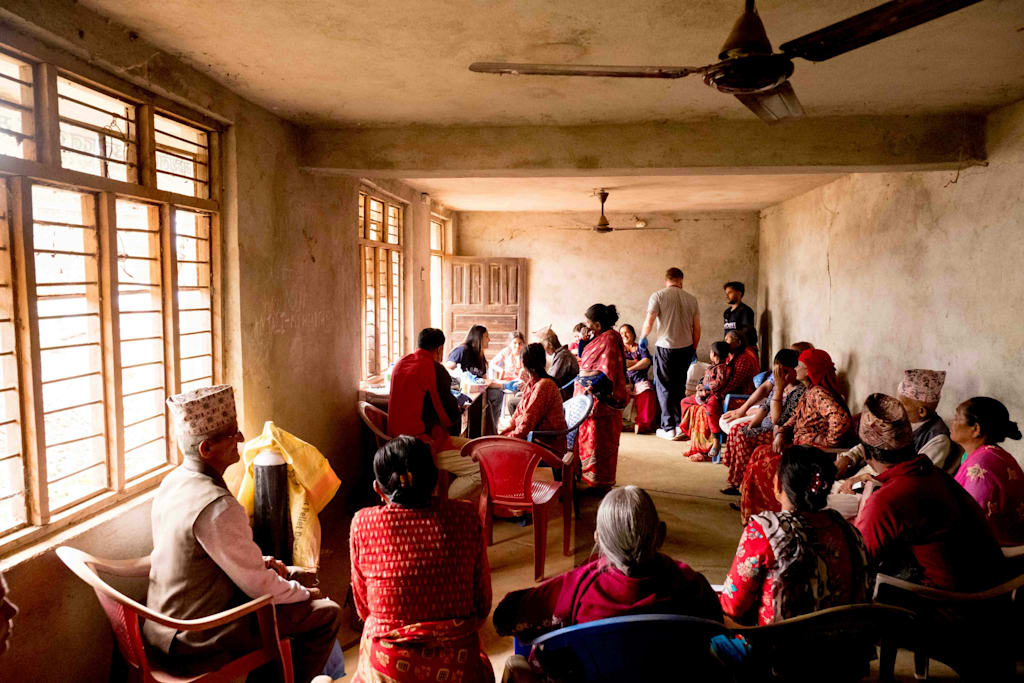
Education, cultural heritage, and public service often appear in different spaces. Education happens in schools, colleges, libraries, and training programs. Cultural heritage lives in traditions, language, art, historic places, family stories, and community memory. Public service takes shape through civic programs, nonprofit work, local leadership, volunteer efforts, and government action. Although people often treat them as separate areas, they share a deeper purpose.
All three help communities understand who they are, what they value, and how they should move forward. Education gives people knowledge. Heritage gives people roots. Public service gives people a way to turn knowledge and values into action. Together, they create a foundation for a society that remembers, learns, and serves with purpose.
Education plays a vital role in preserving cultural heritage. Through schools and universities, students learn about history, literature, language, music, art, religion, migration, and social traditions. These subjects help young people understand the communities that shaped them and the wider world they now share.
When teachers include cultural heritage in lessons, they do more than teach facts. They help students see the meaning behind customs, symbols, stories, and struggles. A lesson about local history can reveal how a neighborhood formed. A literature class can introduce voices that shaped identity and resistance. A language course can preserve a connection that might otherwise fade.
Without education, heritage can become fragile. Traditions may survive for a while through habit, but they need explanation to remain meaningful. Education gives heritage a future because it teaches each generation why the past still matters.
Cultural heritage makes education more personal. Students often connect more deeply with lessons when they recognize real lives behind the material. A historic event becomes more than a date when students learn how it affected families. A work of art becomes more powerful when students understand the culture that produced it. A community tradition becomes more meaningful when people know the stories behind it.
Heritage also helps students develop empathy. When they study cultures different from their own, they learn that people build meaning in many ways. They begin to see how geography, history, faith, language, and family shape human experience.
This type of learning helps students move beyond narrow thinking. It encourages them to respect differences while also recognizing shared human needs. In that way, cultural heritage turns education into more than information. It becomes a path toward understanding.
Public service gives education and heritage a practical purpose. It asks people to apply what they know in ways that benefit others. A student who studies urban history may later help support responsible neighborhood development. A graduate who learns about public health may serve communities with limited access to care. A volunteer who understands local traditions may help organize programs that truly fit community needs.
Service keeps knowledge from becoming isolated. It reminds people that education should not only lead to personal success. It should also help solve problems, strengthen communities, and create opportunities.
Public service also requires cultural awareness. A program that ignores community heritage may fail, even if its goals are good. People need services that respect their language, customs, history, and lived experience. When public servants understand culture, they can build trust and serve more effectively.
Libraries, museums, schools, archives, cultural centers, and public agencies often sit at the intersection of education, heritage, and service. These institutions preserve memory, teach the public, and provide resources that improve daily life.
A library may help children learn to read while also protecting local records. A museum may preserve artifacts while hosting public programs for students and families. A cultural center may teach traditional art, offer community events, and support civic pride. A school may partner with local organizations to help students learn through service.
These institutions show that heritage is not only about the past. It can serve people now. They also show that education does not end with graduation. Learning continues whenever communities create spaces for reflection, participation, and shared knowledge.
Public service works best when it begins with understanding. Communities are not blank spaces. They carry memories of success, struggle, exclusion, migration, creativity, and resilience. Cultural heritage helps public servants understand these layers.
For example, a community’s history may affect how residents view schools, government offices, healthcare systems, or law enforcement. Past experiences can shape trust. Language and tradition can shape communication. Family structures and cultural values can shape how people seek help or participate in civic life.
Education helps leaders study these realities with care. Heritage helps them respect them. Service gives them a reason to respond. When all three come together, civic work becomes more thoughtful and more human.
Education becomes stronger when students step into real communities. Service learning, internships, volunteer work, and civic projects help students connect classroom lessons to human needs. They learn that leadership requires listening, patience, and responsibility.
A student who volunteers at a senior center may learn about memory and dignity. A student who helps with a local history project may understand how identity shapes a sense of belonging. A student who tutors children may see how access to education affects opportunity.
These experiences can change how students view success. Instead of seeing achievement only as personal advancement, they begin to see it as a chance to contribute. That shift matters because communities need leaders who value service as much as ambition.
Every community changes. New technology, economic shifts, population growth, migration, and development can reshape daily life. During change, cultural heritage provides stability. It reminds people of shared stories, values, and traditions.
Education helps people understand change rather than fear it. It teaches critical thinking, research, communication, and problem-solving. Public service helps people respond to change through action. It turns concern into programs, partnerships, and solutions.
Together, these forces help communities adapt without losing their identity. Heritage keeps them grounded. Education keeps them informed. Service keeps them compassionate.
The intersections of education, cultural heritage, and public service deserve more attention because they shape the kind of society people build together. A community that values education but ignores heritage may lose its sense of identity. A community that preserves heritage but ignores education may struggle to pass its wisdom forward. A community that values service but lacks cultural understanding may fail to meet people where they are.
When these three areas work together, they create something stronger. They form citizens who know their history, think critically, respect differences, and act for the common good.
Education teaches people to understand. Heritage teaches them to remember. Public service teaches them to contribute. Together, they show that progress should not erase the past or leave people behind. Instead, progress should carry memory, wisdom, and responsibility into the future.
About the Creator
Carmen Reid
Carmen Reid from Alameda, CA, is an educator, researcher, and community leader whose work blends education, history, and civic engagement into a single mission—to create opportunities.
Portfolio: https://carmenreidalameda.com
Enjoyed the story? Support the Creator.
Subscribe for free to receive all their stories in your feed.
Comments