
Circular Economy in the Supply Chain
Unlock the Secrets of Circular Economy in the Supply Chain! 🔄 Embrace Sustainability and Boost Your Business. Join the Movement Now! ♻️

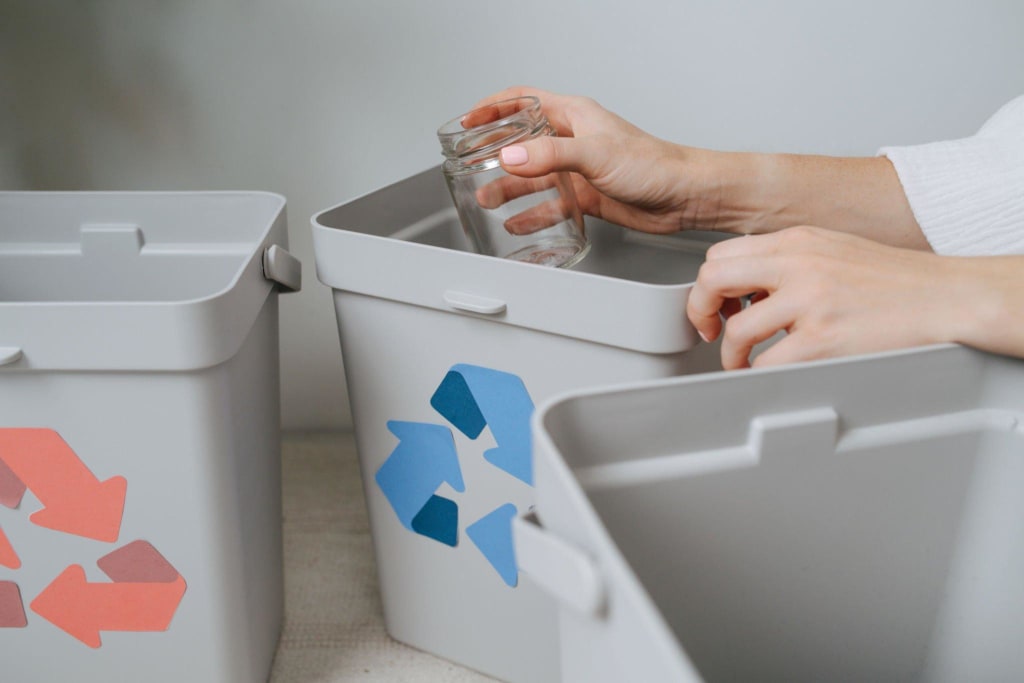
In today's fast-paced world, the concept of sustainability has taken center stage, and businesses are increasingly recognizing the importance of integrating environmentally conscious practices into their operations. One such approach gaining momentum is the concept of a circular economy, which offers a holistic solution to reduce waste and environmental impact in the supply chain while fostering sustainable growth.
Understanding the Traditional Linear Economy
The traditional linear economy operates on a "take-make-dispose" model, where raw materials are extracted, products are manufactured, used, and then discarded as waste. This linear approach has led to massive environmental degradation, resource depletion, and an ever-increasing waste problem.
Transition to a Circular Economy
In contrast, a circular economy aims to close the loop by promoting the reuse, repair, refurbishment, and recycling of products and materials. It seeks to eliminate waste and design out negative impacts, ultimately reshaping the supply chain to be regenerative and sustainable.
Key Components of a Circular Supply Chain
To embrace circular practices, supply chain management plays a vital role. Companies can adopt design principles that prioritize the ease of repair and recycling, enabling the extension of product lifespans. Remanufacturing and refurbishment processes can further contribute to resource conservation and minimize waste generation.
Implementing Circular Practices in the Supply Chain
The successful implementation of a circular supply chain requires collaboration with stakeholders across the value chain. Embracing innovative technologies, such as the Internet of Things (IoT) and blockchain, can optimize material flows and enable transparent tracking of products throughout their lifecycle. Policymakers also play a crucial role in providing a conducive regulatory environment to support circular economy initiatives.
Measuring and Evaluating Circular Economy Performance
Measuring the impact of circular practices is essential to drive continuous improvement. Companies can utilize metrics such as waste reduction, recycled content, and carbon emissions to assess their progress. Conducting environmental and economic impact assessments helps identify areas for further optimization and provides a basis for informed decision-making.
Case Studies: Circular Economy in Action
Numerous organizations have already embraced circular supply chain practices and reaped the benefits. Companies like Interface, a leading modular carpet manufacturer, have adopted a product take-back program, which allows for the recycling of old carpets into new ones. These case studies showcase the positive outcomes of circular models and inspire others to follow suit.
The Role of Consumers in a Circular Economy
Consumers play a pivotal role in driving the transition toward a circular economy. By making informed purchasing decisions and favoring products with sustainable features, consumers can encourage businesses to adopt circular practices. Raising awareness about the benefits of a circular economy and providing guidance on responsible consumption can empower individuals to contribute to the sustainability cause.
Circular Economy and Corporate Social Responsibility
Integrating circular economy principles into corporate social responsibility (CSR) initiative is a win-win situation for businesses and the environment. By aligning circular practices with CSR goals, companies can enhance their brand reputation, attract environmentally conscious customers, and foster long-term customer loyalty.
Circular Economy Challenges and Solutions
Although the circular economy presents significant opportunities, it also comes with its own set of challenges. Overcoming barriers to adoption, striking a balance between economic growth and environmental concerns, and fostering government support is crucial for the widespread implementation of circular practices.
Conclusion
In conclusion, the circular economy offers a promising path toward sustainable development by reimagining the supply chain and embracing regenerative practices. By transitioning from a linear model to a circular one, businesses can reduce waste, conserve resources, and mitigate environmental impact. Embracing a circular economy is not only a responsible choice but also a necessary step in building a resilient and sustainable future.
About the Creator
BRASI Education
Global knowledge provider since 1981. Offering comprehensive training in economics, supply chain, and operations management. Equipping professionals with cutting-edge skills aligned with industry demands. Empowering success.
Enjoyed the story? Support the Creator.
Subscribe for free to receive all their stories in your feed.
Comments
There are no comments for this story
Be the first to respond and start the conversation.