

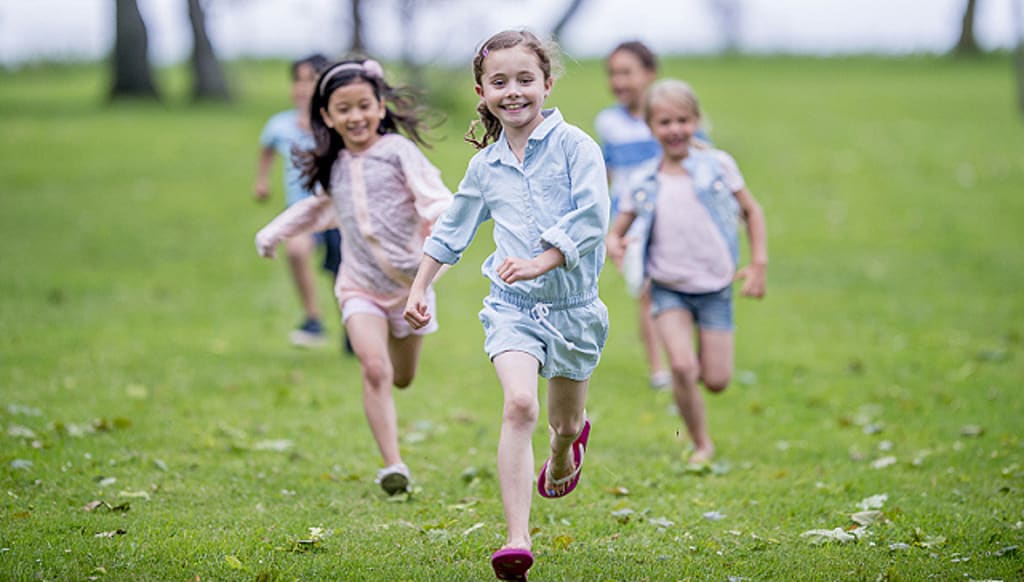
The learning and education of American children is a broad topic, because the United States is composed of 50 states, and each state has its own educational standards and policies. Generally speaking, the learning education system in the United States includes basic education, secondary education and higher education. Here are some key points about learning about education for American children:
Basic education: usually between the ages of 5 and 18, including kindergarten, elementary school, middle school and high school.
Education standards: Both the US federal government and state governments have certain control over the education field, and have unified some education standards, such as Common Core and Next Generation Science Standards.
Investment in education: Governments at all levels in the United States are investing a lot of money in the field of education, including infrastructure construction, educational technology, teaching materials and teacher training.
Academic competition: The United States is a highly competitive society, so many families will start to enroll their children in various courses in the kindergarten stage, including music, art, dance, sports, etc., aiming to give their children an advantage in future academic competition.
Educational institutions: Educational institutions in the United States include public schools, private schools, church schools, and family education. Parents can choose educational institutions that suit their children according to their needs and preferences.
With the continuous development of society, people pay more and more attention to children's education, because children's education is related to the long-term interests of social development and the future of the people, and it is also very important for every family. So, what is child education? Why Education for Children? How to conduct children's education? How to improve children's comprehensive quality and development potential?
People often define children's education as a process of imparting knowledge and skills, and the subjects receiving education are children. The essence of children's education is not only to impart knowledge and skills, but also to help children form correct values and outlook on life, guide them to build the necessary social skills, and make them a healthy, happy, mature and economically independent person.
The demand for technical talents in modern society is increasing, so we also need to pay more attention to our education system to improve the quality and quality of education. Children's education is equally important, and early childhood education is especially important. Early childhood intervention and family education have a crucial impact on children's overall quality and development potential.
The growth and development of children requires input and support from various aspects, such as emotional companionship, supervision and guidance from parents, teaching in kindergartens, and the influence of the social environment. Therefore, investment in children's education by kindergartens and social institutions is also crucial and needs to be improved. Policies and regulations to protect the rights and interests of children.
Children's education also needs to pay attention to the individual needs of children. There should be no one-size-fits-all or compulsory things in education. Every child has its own characteristics and needs. Education should be carried out according to the specific situation of the child, to cultivate good qualities and a sense of accomplishment, and to constantly explore and stimulate the child's potential and talent.
How to improve children's educational quality and comprehensive ability? In addition to actively investing in educational resources and improving the social environment, we also need to pay attention to the following points:
1. Family education concerns. Parents need to give emotional attention and guidance to their children, help them establish a correct outlook on life and values, and stimulate their interest in learning and curiosity.
2. The guidance of professional education. Kindergartens, schools or other professional institutions should provide scientific education to guide children to develop comprehensively, flexibly and openly. Schools can mobilize students' learning motivation and initiative by carrying out student activities, scientific and technological activities, lectures and other activities, broaden children's horizons, and improve children's comprehensive abilities.
3. Improvement of social environment. The government and society should attach importance to children's education and provide children with a better living environment and educational environment. Such as carrying out public welfare activities
About the Creator
Enjoyed the story? Support the Creator.
Subscribe for free to receive all their stories in your feed.
Comments
There are no comments for this story
Be the first to respond and start the conversation.