

American children's education has always been one of the hot topics in the global education circle. This educational model focuses on stimulating children's creativity and imagination, encouraging them to freely explore the world and think independently. Most European and American countries have adopted this educational model, and have achieved very good results.
First of all, American children's education emphasizes the development of children's creativity and imagination, helping them better adapt to a world that is inherently full of changes. Compared with traditional education, this education model focuses more on stimulating children's curiosity and interest in learning, allowing them to freely explore their areas of interest. In this educational model, teachers are no longer simply imparting knowledge, but play multiple roles from mentor to partner.
Secondly, children's education focuses on cultivating children's independent thinking and self-awareness, so some educational institutions in Europe and the United States do not emphasize test scores. This educational philosophy is based on the belief in children's sense of autonomy and resilience, which the school believes are the basic qualities that children need to possess as adults. In this mode of education, students can choose the field of study by themselves, which helps to improve their learning efficiency and interest, so that they can conduct in-depth research in the field of their interest.
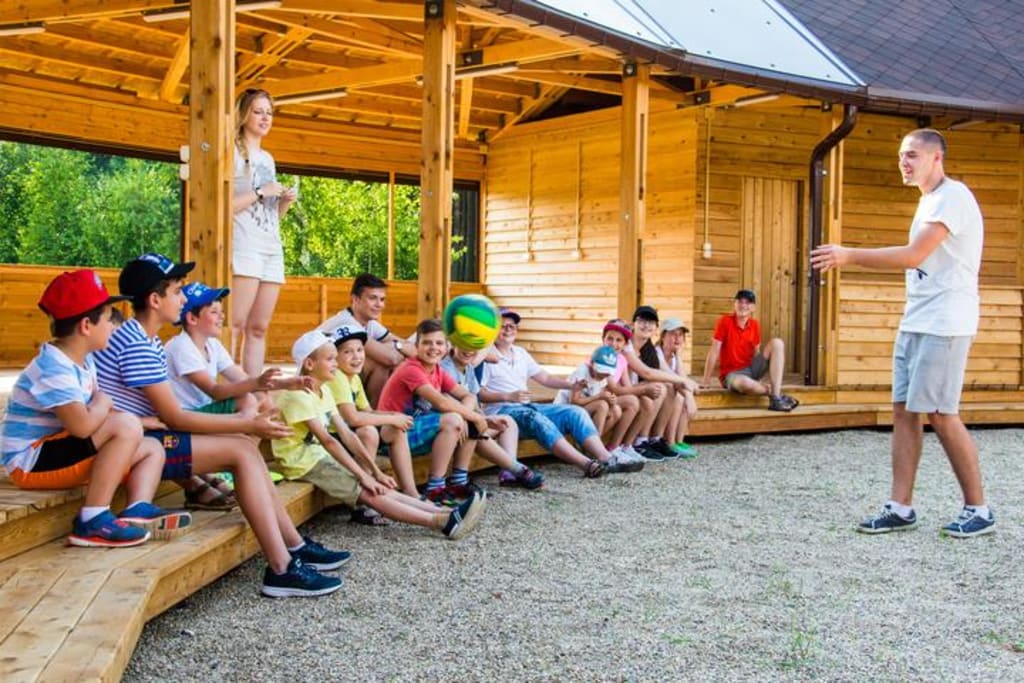
Finally, children's education focuses on developing children's social skills and teamwork. Schools usually organize some small activities, such as outdoor camping, handicraft making, outdoor sports, etc., so that children can participate together and cultivate their sense of teamwork and cooperation. In addition, students will learn how to communicate and cooperate with different people in a wide variety of situations in the process.
In general, children's education focuses on stimulating children's creativity and imagination, encouraging them to explore the world freely and think independently. This educational model not only helps to improve students' learning efficiency and interest, but also cultivates children's social skills and teamwork spirit, helping them better adapt to this changing world. The children's education system in the United States is a very famous and high-quality education system among all mankind. In the United States, every child has an opportunity to receive an education free of charge, and this opportunity can be included from kindergarten to high school. In the United States, the concept of children's education is to make full use of all resources to provide children with comprehensive education and develop each child's personality and ability.
1. Early childhood education
Early childhood education is the education before the sixth grade of American education. In the United States, classes beginning in kindergarten help children build on their language skills, as well as improve their social and emotional skills. At the same time, the kindergarten also provides some games and intellectual development tools, such as jigsaw puzzles, matching games, etc., as well as cognitive enlightenment and cultural courses to help children lay the foundation of number axes, colors, shapes, numbers, early literacy and reading, and strive to let everyone Each child is as dynamic as possible in his personal and social development.
2. Primary education
Elementary education is the continuation of early childhood education, which spans the period before sixth grade in American education. In the United States, primary education is compulsory and all children are required to start primary education at the age of six. The curriculum for elementary education is multidisciplinary and typically includes math, science, reading, writing, history, sociology, culture, sports, and other subjects. In addition to education in the classroom, the school also provides opportunities for students to participate in a variety of social, artistic and sports courses, as well as a variety of elective courses, to explore their full potential.
About the Creator
Enjoyed the story? Support the Creator.
Subscribe for free to receive all their stories in your feed.
Comments
There are no comments for this story
Be the first to respond and start the conversation.