
Cartoon making in 3D
The creation of cartoons has undergone a dramatic transformation since the early days of hand-drawn animations.
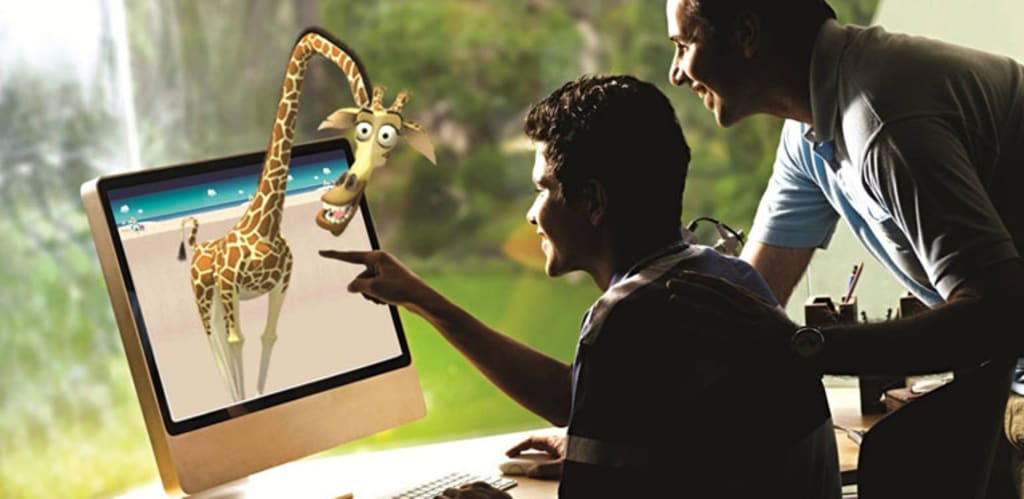
The creation of cartoons has undergone a dramatic transformation since the early days of hand-drawn animations. One of the most revolutionary advancements in this field is the development of 3D cartoon making. This art form combines traditional storytelling with cutting-edge technology, producing visually immersive and emotionally engaging content. In this essay, we explore the process, tools, benefits, challenges, and future prospects of creating 3D cartoons.
**Understanding 3D Cartoon Making**
3D cartoon making involves the use of three-dimensional computer graphics to create animated characters, objects, and environments. Unlike traditional 2D animations, which rely on flat drawings, 3D animations provide depth, realism, and dynamic movement. Each character, prop, and background in a 3D cartoon is sculpted in a virtual space, textured to look realistic or stylized, and animated frame by frame or through automated rigging processes.
The process typically begins with conceptualization and storyboarding, where animators outline the plot, characters, and settings. Next comes modeling, the stage where artists sculpt the characters and objects using specialized software. This is followed by texturing, rigging, animating, and rendering to create the final product. Each step requires skill, creativity, and attention to detail.
### **Tools of the Trade**
Creating 3D cartoons requires sophisticated tools and software that cater to various aspects of production. Some of the most widely used tools include:
1. **Modeling Software**
Software like Autodesk Maya, Blender, and ZBrush allows artists to sculpt and design characters and environments. These tools provide control over intricate details such as facial expressions, fabric folds, and environmental textures.
2. **Rigging and Animation Tools**
Rigging involves creating a skeleton or framework for 3D models, enabling animators to move and manipulate them. Tools like Maya and Houdini are commonly used for rigging and animation.
3. **Rendering Engines**
Rendering transforms 3D models into finished visuals, adding lighting, shadows, and effects. Engines like Pixar’s Render Man, Unreal Engine, and Unity produce high-quality final outputs.
4. **Compositing and Editing Software**
Programs like Adobe After Effects and Nuke are essential for combining multiple visual elements and refining the animation in post-production.
### **Benefits of 3D Cartoon Making**
3D cartoon making has revolutionized the animation industry, offering numerous advantages:
1. **Enhanced Visual Appeal**
The depth and realism of 3D graphics captivate audiences by making characters and environments more engaging and lifelike.
2. **Creative Freedom**
With 3D animation, artists can experiment with perspectives, lighting, and camera angles, creating scenes that are impossible or difficult to achieve in 2D.
3. **Time and Cost Efficiency**
Though the initial setup can be expensive, reusing 3D models and assets in multiple scenes saves time and reduces production costs in the long run.
4. **Versatility**
3D cartoons can cater to a broad range of genres, from action-packed adventures to heartwarming comedies, making them suitable for diverse audiences.
5. **Interactivity**
The techniques used in 3D animation are also applicable in interactive media, such as video games and virtual reality experiences.
### **Challenges in 3D Cartoon Making**
Despite its advantages, 3D cartoon making comes with its own set of challenges:
1. **High Learning Curve**
Mastering 3D animation tools and techniques requires significant time and effort. Artists must stay updated with the latest technologies to remain competitive.
2. **Resource-Intensive Process**
The production of high-quality 3D cartoons demands powerful hardware and extensive storage, making it expensive for smaller studios or independent creators.
3. **Time-Consuming Development**
Although reusable assets speed up the process, creating original models and animations from scratch can still be time-intensive.
4. **Balancing Realism and Stylization**
Striking the right balance between realistic graphics and the whimsical nature of cartoons is a creative challenge. Overly realistic designs can detract from the playful essence of cartoons.
### **Impact on the Animation Industry**
The advent of 3D cartoon making has significantly influenced the animation industry. Studios like Pixar, DreamWorks, and Disney have set new standards for storytelling and visual quality through groundbreaking 3D films such as *Toy Story*, *Shrek*, and *Frozen*. These films not only showcase the artistic potential of 3D animation but also demonstrate its commercial viability.
Moreover, 3D technology has democratized animation production. Free and open-source tools like Blender have made professional-grade animation accessible to independent creators and smaller studios, fostering creativity and diversity in the industry.
### **Future of 3D Cartoon Making**
The future of 3D cartoon making is brimming with possibilities, driven by advancements in artificial intelligence, virtual reality, and real-time rendering. AI-powered tools are simplifying tasks such as character rigging and facial animation, enabling faster production. Virtual and augmented reality are creating new ways for audiences to interact with animated content, pushing the boundaries of storytelling.
Additionally, cloud-based rendering is making high-quality animations more accessible, as creators no longer need to invest in expensive hardware. As these technologies evolve, 3D cartoons will become more immersive, interactive, and personalized.
### **Conclusion**
3D cartoon making represents a remarkable blend of artistry and technology. Its ability to create visually stunning and emotionally resonant content has transformed how we experience animation. While the process is resource-intensive and demands expertise, its benefits far outweigh the challenges. As technology continues to advance, the future of 3D cartoon making holds even greater promise, paving the way for groundbreaking innovations and unforgettable storytelling.
About the Creator
manishvohra vohra
Animation Boom is an unique animation institute which provides animation courses, multimedia course, 2d animation, 3d animation in creative arts.
Enjoyed the story? Support the Creator.
Subscribe for free to receive all their stories in your feed.
Comments
There are no comments for this story
Be the first to respond and start the conversation.