
Captive Breeding Success of Gazelle Bennettii in Hot Climate Regions
Breeding of Ghazelle
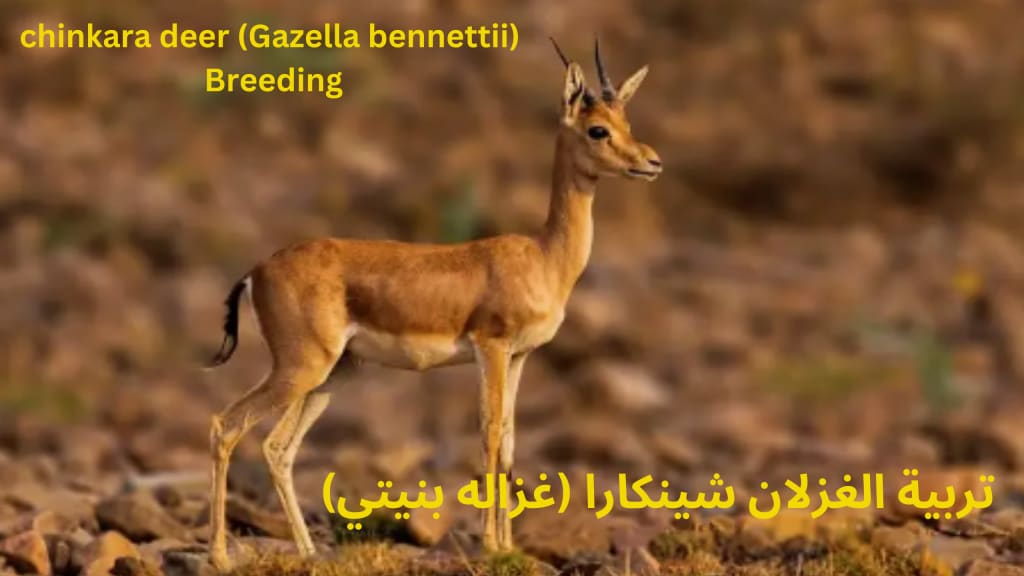
Captive Breeding Success of Gazelle Bennettii in Hot Climate Regions
Gazelle Bennettii, also known as the Indian gazelle, is a species of gazelle that is native to India and Pakistan. In recent years, there has been a growing interest in captive breeding programs for Gazelle Bennettii, particularly in hot climate regions. This article will provide a comprehensive overview of the captive breeding success of Gazelle Bennettii in hot climate regions, including the challenges and successes of these breeding programs, as well as the benefits and limitations of captive breeding for this species.
Challenges and Successes of Captive Breeding Programs for Gazelle Bennettii in Hot Climate Regions
Captive breeding programs for Gazelle Bennettii in hot climate regions are often faced with several challenges, including the high temperatures and lack of shade, which can lead to dehydration and other health problems for the animals. Additionally, the gazelles may experience stress and anxiety in captive environments, which can negatively impact their breeding success.
Despite these challenges, captive breeding programs for Gazelle Bennettii in hot climate regions have experienced a great deal of success. In many cases, these programs have been able to maintain stable populations of the species, even in areas where the wild population has declined. This has been attributed to the ability of captive breeding programs to provide more consistent and controlled conditions for the gazelles, which can help to minimize stress and other health problems.
One of the key successes of captive breeding programs for Gazelle Bennettii in hot climate regions has been the development of new techniques for maintaining the health and well-being of the animals. This has included the use of shade structures, misting systems, and other cooling mechanisms to help reduce heat stress and other health problems. Additionally, many captive breeding programs have been able to provide the gazelles with access to high-quality food and veterinary care, which has improved their overall health and well-being.
Quantitative Data and Charts
To better understand the success of captive breeding programs for Gazelle Bennettii in hot climate regions, it is important to consider the available quantitative data and charts. One useful chart is a population growth curve, which plots the number of gazelles in a captive breeding program over time. This data can show trends in the population size, as well as the impact of different management strategies and interventions on the population.
Another useful chart is a survival rate curve, which plots the percentage of gazelles that survive over a given period of time. This data can help to identify any trends or patterns in the mortality rates for the gazelles, and can also be used to evaluate the effectiveness of different management strategies for improving the survival rate.
Quantitative data can also be used to evaluate the reproductive success of Gazelle Bennettii in captive breeding programs. This can include metrics such as the number of offspring produced per breeding pair, the success rate of pregnancy and parturition, and the neonatal survival rate of the young gazelles. These data can provide important insights into the health and well-being of the breeding animals, as well as the conditions that are most conducive to successful breeding.
Benefits and Limitations of Captive Breeding for Gazelle Bennettii in Hot Climate Regions
Captive breeding programs for Gazelle Bennettii in hot climate regions offer several key benefits, including the ability to maintain stable populations of the species in areas where the wild population has declined. Additionally, captive breeding programs can provide a controlled environment that is more conducive to successful breeding, as well as access to high-quality food and veterinary care that can improve the health and well-being of the animals.
About the Creator
Wildlife Topics and Articles
I have spent countless hours exploring the wild and observing the incredible diversity of species that call it home.
My goal is to share this knowledge and inspire others to appreciate the beauty and significance of the natural world.
Enjoyed the story? Support the Creator.
Subscribe for free to receive all their stories in your feed.
Comments
There are no comments for this story
Be the first to respond and start the conversation.