
Can a Non-Muslim Perform Umrah? Exploring Rules and Perspectives
Umrah, often referred to as the “lesser pilgrimage,” is a deeply spiritual act of worship performed by Muslims in the holy cities of Mecca and Medina.
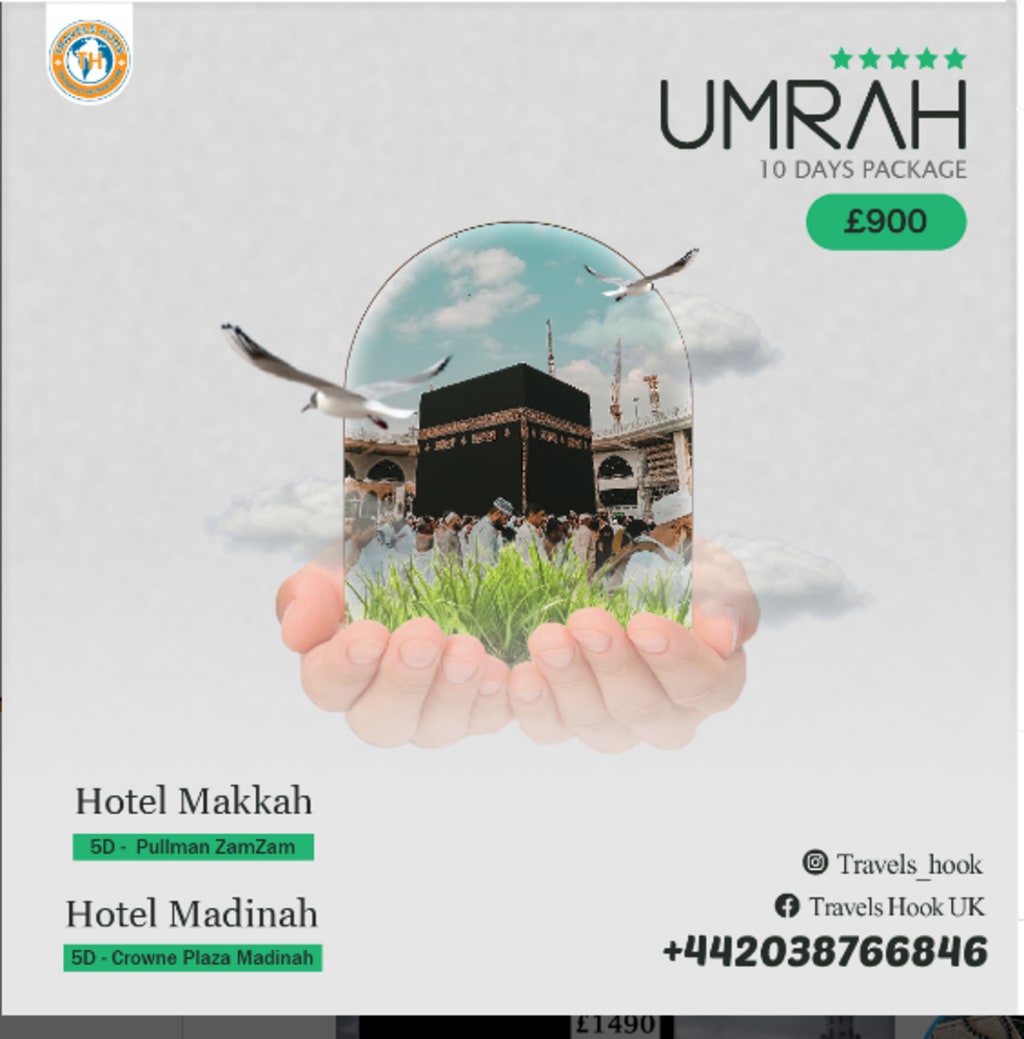
Umrah, often referred to as the “lesser pilgrimage,” is a deeply spiritual act of worship performed by Muslims in the holy cities of Mecca and Medina. It involves a series of rituals aimed at cleansing the soul, seeking forgiveness, and reaffirming one’s devotion to Allah. A question that often arises is whether non-Muslims can perform Umrah. This article explores the religious, historical, and cultural perspectives on this topic, delving into the rules set by Islamic law and the broader implications of these restrictions.
Understanding Umrah: A Spiritual Journey
Before addressing whether non-Muslims can perform Umrah, it is essential to understand the significance of this pilgrimage in Islam.
1. What is Umrah?
Umrah is a voluntary pilgrimage to Mecca that can be undertaken at any time of the year, unlike Hajj, which is performed during specific dates in the Islamic calendar.
The rituals of Umrah include:
Ihram: Entering a state of spiritual purity.
Tawaf: Circumambulating the Kaaba seven times.
Sa’i: Walking between the hills of Safa and Marwah.
Tahallul: Shaving or trimming the hair to signify completion.
2. Spiritual Importance of Umrah
Umrah is an act of devotion and submission to Allah, often described as a means to purify the soul and seek forgiveness.
It holds immense spiritual rewards and serves as a reminder of the unity and equality of all Muslims.
Islamic Rules Regarding Non-Muslims in Mecca and Medina
Islamic law provides clear guidelines regarding the presence of non-Muslims in the holy cities of Mecca and Medina. These rules are rooted in the Quran, Hadith, and centuries of Islamic tradition.
1. Quranic Prohibition
The Quran explicitly restricts non-Muslims from entering the sacred areas of Mecca and Medina. Surah At-Tawbah (9:28) states:
“O you who have believed, indeed the polytheists are unclean, so let them not approach al-Masjid al-Haram after this, their [final] year.”
This verse is interpreted by scholars as a prohibition against non-Muslims entering the sacred mosque (Masjid al-Haram) and, by extension, the entire city of Mecca.
2. Historical Context
The restriction was established during the time of the Prophet Muhammad (peace be upon him) to preserve the sanctity of the holy sites.
These rules aim to ensure that the acts of worship performed in these cities remain solely dedicated to Allah.
3. Legal Enforcement
Saudi Arabia, the custodian of Islam’s two holiest cities, enforces strict regulations prohibiting non-Muslims from entering Mecca and Medina.
Checkpoints are set up to verify the religious identity of those entering these areas.
The Philosophy Behind the Restriction
The prohibition against non-Muslims performing Umrah or entering the holy cities is not rooted in hostility but in the unique spiritual significance of these sites.
1. Preservation of Sanctity
Mecca and Medina are considered sacred spaces where acts of worship are dedicated exclusively to Allah.
Restricting access to Muslims ensures that these sites remain places of pure monotheistic worship.
2. Unity of the Muslim Community
The rituals of Umrah and Hajj symbolize the unity and equality of Muslims, transcending race, nationality, and social status.
Allowing only Muslims to participate reinforces this sense of shared identity and purpose.
3. Respect for Religious Boundaries
Just as other religions have sacred spaces reserved for their followers, Islam designates Mecca and Medina as exclusive to Muslims.
This boundary is seen as a way to honor the spiritual significance of these locations.
Can Non-Muslims Experience Aspects of Umrah?
While non-Muslims cannot perform Umrah or enter the holy cities, there are ways they can learn about and appreciate the spiritual and cultural aspects of this pilgrimage.
1. Understanding Islam
Non-Muslims are encouraged to study Islamic teachings, including the significance of Umrah and Hajj.
Books, documentaries, and lectures provide insights into the rituals and their spiritual meaning.
2. Visiting Islamic Cultural Sites
Non-Muslims can visit other Islamic historical and cultural sites outside Mecca and Medina, such as:
The Islamic Arts Museum in Riyadh.
Historic mosques open to visitors in countries like Turkey and the UAE.
3. Interfaith Dialogues
Engaging in interfaith dialogues allows non-Muslims to ask questions and learn about the importance of Umrah from Muslim scholars and practitioners.
Debates and Discussions Around the Restriction
The prohibition of non-Muslims from performing Umrah has been a topic of discussion in academic and interfaith circles. While the rules are clear in Islamic law, different perspectives exist:
1. Support for the Restriction
Many Muslims believe the restriction is essential to maintain the sanctity and spiritual focus of the holy sites.
They view it as a divine command that must be respected and upheld.
2. Calls for Greater Inclusivity
Some interfaith advocates suggest that limited access could foster greater understanding and respect between religions.
They argue that witnessing the rituals of Umrah could dispel misconceptions about Islam.
3. Balancing Tradition and Modernity
The discussion often revolves around balancing the preservation of Islamic traditions with the realities of a globalized world.
While the rules remain unchanged, efforts to educate non-Muslims about Umrah and its significance have increased.
Respecting the Rules as an Act of Understanding
For non-Muslims, respecting the prohibition against entering Mecca and Medina or performing Umrah is an act of understanding and goodwill. It acknowledges the importance of these rules to the Muslim community and fosters mutual respect.
1. Recognizing Sacred Spaces
Just as non-Muslims expect their sacred spaces to be respected, they are encouraged to honor the sanctity of Mecca and Medina.
2. Building Bridges
Respecting religious boundaries can serve as a foundation for building stronger interfaith relationships.
It opens the door for dialogue and mutual learning.
Conclusion
In Islam, the holy cities of Mecca and Medina hold unparalleled spiritual significance, and access to these sites is reserved exclusively for Muslims. The prohibition against non-Muslims performing Umrah is deeply rooted in Islamic teachings and reflects the desire to preserve the sanctity of these sacred spaces. While non-Muslims cannot partake in Umrah, they can still appreciate its spiritual and cultural dimensions through education and interfaith engagement. By respecting these boundaries, we can foster mutual understanding and celebrate the rich tapestry of global religious traditions.
Click here: For Affordable umrah packages
About the Creator
Travelshook
From travel planners to Umrah & Hajj services, Travels Hook emerged over two decades ago. We are dedicated to enhancing every pilgrim’s experience, offering hassle-free journeys for spiritual fulfillment.
Enjoyed the story? Support the Creator.
Subscribe for free to receive all their stories in your feed.
Comments
There are no comments for this story
Be the first to respond and start the conversation.