
Business Analytics for Environmental Monitoring in Mumbai
Business Analytics for Environmental Monitoring in Mumbai
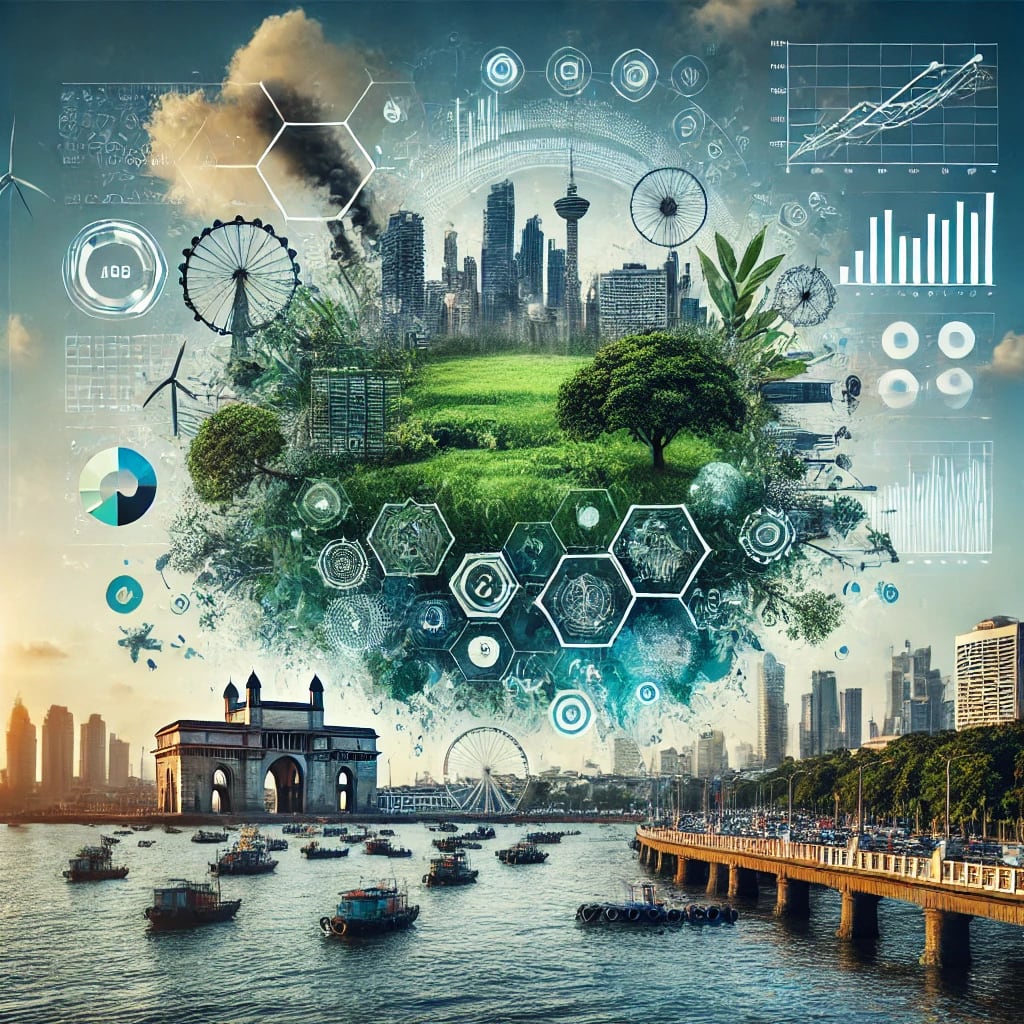
Introduction
Mumbai is important for India's financial and entertainment industry, which confirms this country’s rapid development. However, a relatively new issue is the question of the environmental sustainability of this development in the city. Environmental challenges include air and water pollution, unsustainable waste disposal, and noise pollution, which are factors that dampen the quality of life for their citizens. Solving these problems calls for out-of-the-box thinking—and this is the strength that business analytics brings into the mix.
Business analytics employs analytic solutions for tracking parameters in the business environment, improving technological systems of pollution control, and contributing to the formulation of sustainable business practices. Comment: Armed with knowledge acquired from a Business Analytics Course in Mumbai, such professionals are now at the forefront of spearheading this call toward tackling environment-related questions.
Mumbai’s Environmental Challenges
Mumbai’s dense population and industrial activities have created a unique set of environmental issues, including:
Air Pollution
It is not rare that the city experiences a bad breath of air; most of the time, car exhaust and dust from construction sites are to blame.
Water Pollution
Polluted waters include sewage and industrial effluents that color rivers, such as the Mithi River and the Arabian Sea.
Solid Waste Management
The city produces well over 11,000 tons of waste daily, and the proper collection, sorting, and disposal of waste are significant issues.
Noise Pollution
Due to complaints about regular traffic disturbances and construction in Mumbai, Noise pollution emerges as a major public health issue.
These are not tasks that can be handled only by conventional methods; they need an analytical solution to apply the right solution on a large scale.
The Role of Business Analytics in Environmental Monitoring
Environmental information is first converted into an easy-to-understand format through business analytics, therefore aiding policymakers and organisations. Here are key applications:
1. Air Quality Monitoring and Analysis
Air quality information from sophisticated sensors spread out across Mumbai is analysed to determine emission sources and patterns.
Such information supports the formulation of appropriate strategies, including controlling emissions during rush hour traffic.
Fortunately, some of the people who complete a business analyst course in Mumbai with placement are creating visualisation dashboards to provide timely information to the authorities for better decision-making.
2. Water Quality Assessment
Business analytics ensures regular surveillance of water reservoirs while displaying the degree of pollution and identifying polluters.
Predictive analytics also helps to predict such incidents and events as an increase in waterborne diseases with the onset of monsoons.
The analyses make it possible for a person, who studied at the Business Analytics Institute in Mumbai, to suggest the right amendments to the policy.
3. Waste Management Optimization
It helps to find the most efficient route to collect waste by organising the waste collection areas and estimating future requirements for landfills from waste production trends.
Working in parallel with smart bins with real-time data, analytics professionals minimize operational costs and enhance recycling.
4. Noise Pollution Mapping
Business analytics indicates areas with high noise levels by analyzing noise sensor data.
Information gathered from such studies may then be used to implement noise ordinances provided in residential or sensitive areas.
Data-Driven Pollution Control Strategies
Policy Formulation and Evaluation
Policies that deal with particular types of environmental problems involve data analytics in their development. For instance:
Traffic Regulation: Data analytics provide results about traffic and pollution patterns, which facilitates recommendations for measures such as green zones involving no automobiles.
Industrial Audits: Reviewing emissions data is also useful for identifying industries that emit too much, therefore, making the rules more stringent.
Public Awareness Campaigns
People’s involvement is important in combating pollution. Through analytics, audiences can be grouped into subgroups based on their behavior to promote awareness of goals to be accomplished.
This may range from raising awareness on ways to dispose of waste, making citizens sort their waste properly, or even persuading people to take public transport.
Emergency Response Systems
About environmental emergencies, predictive analytics notifies the authorities about likely toxic gas leakage or overflow from clogged drainage systems.
By so doing, the response teams can act appropriately as they reduce the threats posed to public health.
Case Studies: Real-World Impact
1. Air Quality Control in Urban Areas
Metropolitan areas such as Delhi have invested in sophisticated procedures for monitoring air quality with the help of real-time performance indicators. This model can be replicated in Mumbai by taking professionals through a business analyst course in Mumbai with placement meant to handle such systems.
2. Efficient Waste Management in Indian Cities
Recycling rates have been positively affected due to the efficiency of the waste management strategy that is comprised of data analytics in Pune city. The same solutions can then be implemented in Mumbai since the city faces increasing waste problems as well.
The Growing Demand for Skilled Professionals
Mumbai must have well-trained people who can work with vast amounts of data and use analytic tools to capitalize on business analytics fully. The Business Analyst Institute in Mumbai offers training programs.
Benefits of Enrolling in Business Analytics Programs
Industry-Relevant Curriculum: All courses include tools like Python, R, and Tableau that are critically important in the analysis of environmental data.
Hands-On Projects: Case studies contribute to awareness in the firm offering actual problems that have to be solved.
Placement Assistance: Organisations providing a business analyst course in Mumbai with placements ensure that their students are placed in organisations that are sustainability and analytics-based.
Future Scope of Business Analytics in Pollution Control
The analytic capability of business analytics is steadily evolving due to conception in the creation of new technology. Some future applications include:
IoT Integration
Sensors connected to maintenance analytics software can give details on the quality of the air, water, and noise being produced by a factory.
Machine Learning Models
Prediction models can be more useful, like extrapolating additional effects of urbanization on the environment.
Citizen Science Initiatives
The use of mobile apps to involve the public in supplying data can improve surveillance and increase participation within society.
Final Thoughts
In turn, business analytics is being found very useful in helping Mumbai combat its environmental problems. In this way, it helps convert data into useful insights and hence frame effective pollution control policies and aid in the growth of sustainable urbanization.
One can achieve this mission from the comfort of their city, in this case, Mumbai, by taking a business analytics course or joining an institute in Mumbai. This means that if the right skill sets are given, they can contribute towards making Mumbai a cleaner, greener, and better place for the generations to come.
About the Creator
Enjoyed the story? Support the Creator.
Subscribe for free to receive all their stories in your feed.
Comments
There are no comments for this story
Be the first to respond and start the conversation.