
Building Affordable Housing: Key Elements of Successful Design and Build Projects
Achieving Efficiency, Quality, and Sustainability in Affordable Housing Projects
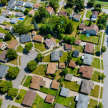

Affordable housing projects are critical in addressing the growing demand for affordable living spaces in urban and suburban areas. To ensure these projects are successful, it is essential to focus on the key elements of design and build. Successful affordable housing projects strike a balance between cost-effectiveness, quality construction, and community impact, while also being sustainable and efficient. This article will outline the key elements that make these projects successful, including innovative design, careful planning, collaboration, and the use of creative techniques.
Clear and Practical Design
The first element of a successful affordable housing project is a clear and practical design. In affordable housing, functionality is the top priority, followed closely by cost-efficiency. The design should meet the needs of the residents while being adaptable to future changes. Clever design involves creating layouts that maximize the use of space while ensuring the comfort and safety of the occupants.
For example, an open floor plan can make small spaces feel larger and provide more versatility in how rooms are used. Design also includes planning for energy efficiency, such as installing windows that reduce heat loss or incorporating natural lighting. By designing homes that are easy to maintain and optimize the use of space, developers can provide better housing for less money, which is a key to the success of affordable housing projects.
Community Engagement and Feedback
Another essential element of successful affordable housing design is community engagement. The people who will live in these homes must be involved in the planning process. By gathering feedback from future residents and local community members, designers and developers can create homes that suit the needs of the people they are intended for.
Community input can encompass everything from the design of shared spaces to the building's location and surroundings. Listening to residents helps prevent issues down the line and ensures the project truly meets the community’s needs. For instance, some communities may need additional green spaces or childcare facilities. By understanding the community's priorities, developers can design homes that foster a sense of belonging and promote the well-being of residents, which makes the project more successful in the long run.
Effective Project Planning and Budgeting
Effective planning and budgeting are crucial to any successful design and build project, especially in affordable housing. These projects often have tight budgets and need to meet cost targets without compromising on quality. Proper planning ensures that every phase of the construction process runs smoothly and stays within budget.
This phase includes estimating the costs of materials, labor, and other expenses early on. It also involves coordinating the schedule to avoid delays and cost overruns. By planning effectively, developers can avoid unexpected financial burdens and ensure that the project is completed on time. Additionally, choosing cost-effective construction methods and materials, such as prefabricated panels or recycled materials, can help reduce costs without sacrificing quality.
Collaboration with Stakeholders
Collaboration is another key element of successful affordable housing projects. Multiple stakeholders, including architects, contractors, engineers, and government agencies, must collaborate to achieve the project's objectives. This collaboration ensures that every aspect of the project is considered, from the technical details of construction to the aesthetic qualities of the design.
Effective communication between all parties involved is essential to ensure that the project progresses smoothly. Any issues that arise, such as design changes or delays, can be quickly addressed through open collaboration and communication. Additionally, stakeholders can offer valuable insights and expertise that may help reduce costs, improve sustainability, and streamline the construction process.
Sustainable Construction Practices
Sustainability is becoming a central focus of affordable housing design and construction. To create homes that are not only affordable to build but also affordable to live in, developers must incorporate sustainable building practices. This includes using energy-efficient materials and appliances, minimizing waste during construction, and ensuring that the finished buildings are environmentally friendly.
For example, many affordable housing projects today include solar panels, high-efficiency heating and cooling systems, and water-saving fixtures. These sustainable features reduce the long-term operating costs for residents by lowering their utility bills. Additionally, sustainable construction practices benefit the environment by reducing the carbon footprint of buildings. By incorporating green building strategies, developers can ensure that affordable housing projects are not only cost-effective but also environmentally responsible.
Flexibility and Adaptability in Design
A successful affordable housing project must also include flexibility and adaptability in its design. The needs of residents and communities can change over time, so it’s important to create homes that can easily accommodate these shifts. For example, a building's layout should be adaptable to different family sizes or living arrangements, allowing for future changes without requiring costly renovations.
Incorporating multifunctional spaces or modular designs into the layout can provide residents with the flexibility to utilize the space in various ways. This flexibility is essential for ensuring that affordable housing remains viable and functional in the long term. Additionally, designing homes with the potential for future upgrades or improvements can help the property evolve to meet new needs or standards without incurring significant additional costs.
Innovation in Building Materials and Construction Techniques
Innovation is key to the success of affordable housing projects, especially when it comes to materials and construction techniques. In 2025 and beyond, new building methods and materials are becoming more accessible, enabling developers to reduce costs and construction time without sacrificing quality. Techniques like modular construction, 3D printing, and the use of recycled or locally sourced materials can help make affordable housing projects more cost-effective.
For instance, using prefabricated components enables faster on-site assembly, which reduces labor costs and shortens the overall construction timeline. Similarly, 3D printing technology can create custom building components at a fraction of the cost and time of traditional methods. By staying on top of emerging construction trends and utilizing the latest technologies, developers can build affordable homes that meet the needs of modern communities while staying within budget.
About the Creator
Perry Greene
Perry Greene is the President of Taylor Commercial, leading major Southeastern projects, growing revenues to over $ 45 million, and supporting communities through service, mentorship, and family values.
Portfolio: http://perry-greene.com/
Enjoyed the story? Support the Creator.
Subscribe for free to receive all their stories in your feed.
Comments