
Boost Emotional Skills with Our Fun SEL Class for Kids
The Importance of Social-Emotional Learning (SEL) in Elementary Students: A Problem-Solving Approach

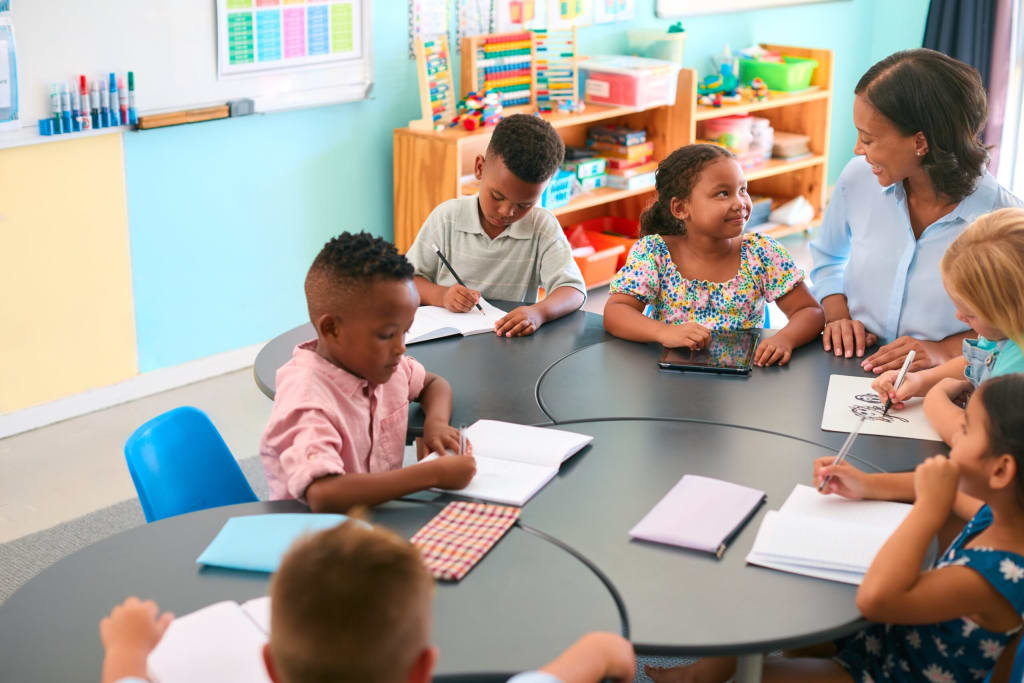
Social-emotional learning (SEL) is critical in fostering the development of children, particularly at the elementary level. At this stage, children are exploring not only academic concepts but also how to manage their emotions, build healthy relationships, and make sound decisions. These skills are foundational not just for academic success but for life-long well-being and the development of a positive, compassionate society. This article takes a problem-solving approach to explore the challenges children face in developing social and emotional skills and how tools like SEL books, toys, and meditation audios can help. Finally, we’ll look at the humanKIND Curriculum, which offers a structured program that promotes SEL through engaging, hands-on activities.
The Problem: Lack of Social-Emotional Skills in Elementary Students
Elementary school is a time of rapid growth and development. Children are learning to navigate not only academic challenges but also their interactions with peers, teachers, and family members. Yet, many children face difficulties when it comes to understanding their emotions and relating to others in a positive way. For example:
- Emotional regulation: Children often struggle with controlling their feelings, especially in situations that cause frustration, sadness, or anger.
- Social challenges: Making friends, resolving conflicts, and showing empathy are critical skills that many children find difficult.
- Decision-making: Children are still developing the ability to make responsible decisions, often leading to impulsive behaviors or poor choices.
These problems can hinder a child’s success both academically and socially, and in extreme cases, lead to behavioral issues, low self-esteem, or difficulty forming lasting relationships.
The Solution: Social-Emotional Learning (SEL)
Social-emotional learning (SEL) focuses on helping children develop key skills in five core areas: self-awareness, self-management, social awareness, relationship skills, and responsible decision-making. By incorporating SEL into the daily curriculum, we can equip children with the necessary tools to manage their emotions, make thoughtful decisions, and engage in positive social interactions.
SEL is not just about teaching students how to manage their emotions. It also involves helping them develop empathy, understand different perspectives, and interact with others in healthy, respectful ways. These skills are vital for success in school, relationships, and life.
The Role of SEL Books in Teaching Emotional Intelligence
One of the most effective ways to teach SEL to elementary students is through books. SEL-focused books help children explore their emotions, understand the feelings of others, and develop problem-solving skills. Books are especially powerful because they provide children with relatable characters, situations, and scenarios that teach key emotional lessons.
For instance, books like The Color Monster by Anna Llenas or How Full Is Your Bucket? For Kids by Tom Rath and Mary Reckmeyer, offer simple yet profound insights into emotional regulation and positive behavior. The Color Monster helps children identify and label their emotions, while How Full Is Your Bucket? teaches the concept of kindness and the idea that positive actions can fill others’ "buckets."
By reading these books, children not only learn how to identify their own feelings but also gain a better understanding of how others might feel. This is crucial for developing empathy, a core component of SEL. In addition, teachers and parents can use the storylines in SEL books as starting points for discussions about emotions, behaviors, and conflict resolution. These conversations reinforce the lessons learned in the books and encourage children to think critically about their own actions and interactions.
The Impact of SEL Toys on Emotional and Social Growth
Toys designed specifically for emotional growth can be incredibly helpful for children, particularly when it comes to learning SEL skills. Interactive toys provide children with a safe space to practice emotional regulation, empathy, and social skills through play. By using toys in SEL activities, children can role-play different social situations, explore different emotions, and work through challenges with a hands-on approach.
For example, plush toys such as Little Dude and Bird dolls provide a platform for children to practice empathy and problem-solving. Children can engage in imaginative play, using the dolls to express their own emotions or act out scenarios involving conflict resolution. The tactile nature of plush toys also makes them ideal for younger children who are still learning to express themselves verbally. Through interaction with the dolls, children can practice understanding different perspectives and finding solutions to problems in a non-threatening way.
Other types of interactive toys for kids, such as board games and puzzles, can encourage teamwork, communication, and collaboration. Many of these toys require children to cooperate with others to solve problems, helping them learn essential social skills like sharing, taking turns, and negotiating. As children engage with these toys, they develop the relationship skills necessary for building positive, healthy friendships.
Meditation Audios: Fostering Mindfulness and Emotional Regulation
Another powerful tool for supporting SEL is meditation audios. Mindfulness practices, including meditation and breathing exercises, are incredibly effective in helping children develop self-awareness and self-management skills. Meditation audios for children guide calming exercises that help them focus on the present moment, regulate their emotions, and reduce stress.
Children often experience emotional overload, especially when faced with challenging situations like peer conflicts or academic pressure. Meditation helps children calm down, reflect on their emotions, and develop the ability to respond rather than react impulsively. This can be especially beneficial in managing anger, anxiety, or frustration.
For example, guided meditations that focus on deep breathing or visualizations can help children develop relaxation techniques that they can use when they feel overwhelmed. These practices can also help children build resilience, enabling them to bounce back from setbacks and handle difficulties in a calm and composed manner.
Mindfulness and meditation also encourage empathy, as children are encouraged to reflect on their own feelings and the feelings of others. This heightened emotional awareness leads to greater understanding and compassion, both of which are core elements of SEL.
Introducing the humanKIND Curriculum for Social and Emotional Learning
While books, toys, and meditation audios are all valuable tools for supporting SEL, having a structured curriculum can provide a comprehensive approach to teaching these skills. The humanKIND Curriculum is an excellent resource for parents, teachers, and caregivers who want to engage children in meaningful social and emotional learning activities.
The humanKIND Curriculum is designed for children ages 3-7, making it an ideal resource for elementary students in early grades. It focuses on building kindness, respect, and emotional intelligence through fun, hands-on activities that engage children in learning SEL concepts. The curriculum includes interactive lessons, games, and projects that teach children how to recognize and manage their emotions, communicate effectively, and make responsible decisions.
One of the strengths of the humanKIND Curriculum is its focus on empathy and kindness. The curriculum encourages children to think about how their actions affect others and provides them with the tools to act with compassion and understanding. By engaging children in creative activities that promote SEL, the humanKIND Curriculum helps them develop strong emotional and social skills that will serve them well throughout their lives.
Conclusion
Social-emotional learning (SEL) is a vital aspect of elementary education that lays the foundation for emotional intelligence, positive social interactions, and responsible decision-making. By integrating SEL-focused books, toys, and meditation audios into the learning process, children are equipped with the skills they need to manage their emotions, build strong relationships, and solve problems effectively.
To support the development of these critical skills, the humanKIND Curriculum offers a comprehensive, engaging, and hands-on approach to SEL. Designed for children ages 3-7, this curriculum encourages kindness, respect, and emotional growth through fun, interactive activities. Download the humanKIND Curriculum today and empower your child with the tools to navigate their emotions and relationships with confidence and compassion.
About the Creator
Big World of Little Dude
Big World of Little Dude is a leading educational platform offering social emotional learning for kids aged 3-7. Through engaging books and the humanKIND Curriculum, we empower children with essential social and emotional skills.
Enjoyed the story? Support the Creator.
Subscribe for free to receive all their stories in your feed.
Comments
There are no comments for this story
Be the first to respond and start the conversation.