


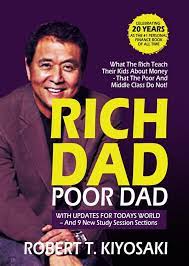
Rich Dad Poor Dad
"Rich Dad Poor Dad" is a personal finance book written by Robert Kiyosaki. It was first published in 1997 and has since become a bestseller, known for its straightforward and unconventional advice on wealth creation and financial independence.
The book revolves around Kiyosaki's childhood experiences with his two fathers: his biological father, referred to as the "Poor Dad," and his best friend's father, referred to as the "Rich Dad." Through contrasting their perspectives and attitudes towards money, Kiyosaki presents various financial lessons and principles.
Some key concepts explored in "Rich Dad Poor Dad" include:
Assets vs. Liabilities: Kiyosaki emphasizes the importance of understanding the difference between assets and liabilities. According to him, an asset is something that generates income or appreciates in value, while a liability is something that incurs expenses or loses value.
The Cash Flow Quadrant: Kiyosaki introduces the Cash Flow Quadrant, which categorizes individuals into four groups: employees, self-employed individuals, business owners, and investors. He encourages readers to strive to move from the left side of the quadrant (employees and self-employed) to the right side (business owners and investors), where financial independence and wealth-building opportunities are more abundant.
Mindset and Education: The book emphasizes the importance of having a strong financial mindset and continually educating oneself about money and investing. Kiyosaki argues that traditional schooling often fails to teach essential financial skills, and individuals need to seek out financial education on their own.
Real Estate and Investing: "Rich Dad Poor Dad" promotes investing in real estate and other income-generating assets as a means of achieving financial independence. Kiyosaki encourages readers to develop a strong understanding of investing principles and to take calculated risks in pursuit of financial growth.
It's important to note that while "Rich Dad Poor Dad" has resonated with many readers and inspired them to take control of their finances, the book has also faced criticism for its oversimplification of complex financial concepts and its promotion of real estate as the primary path to wealth.
Ultimately, "Rich Dad Poor Dad" serves as a motivational and educational tool, encouraging readers to question traditional beliefs about money, wealth, and success and to adopt a more entrepreneurial and financially savvy mindset.
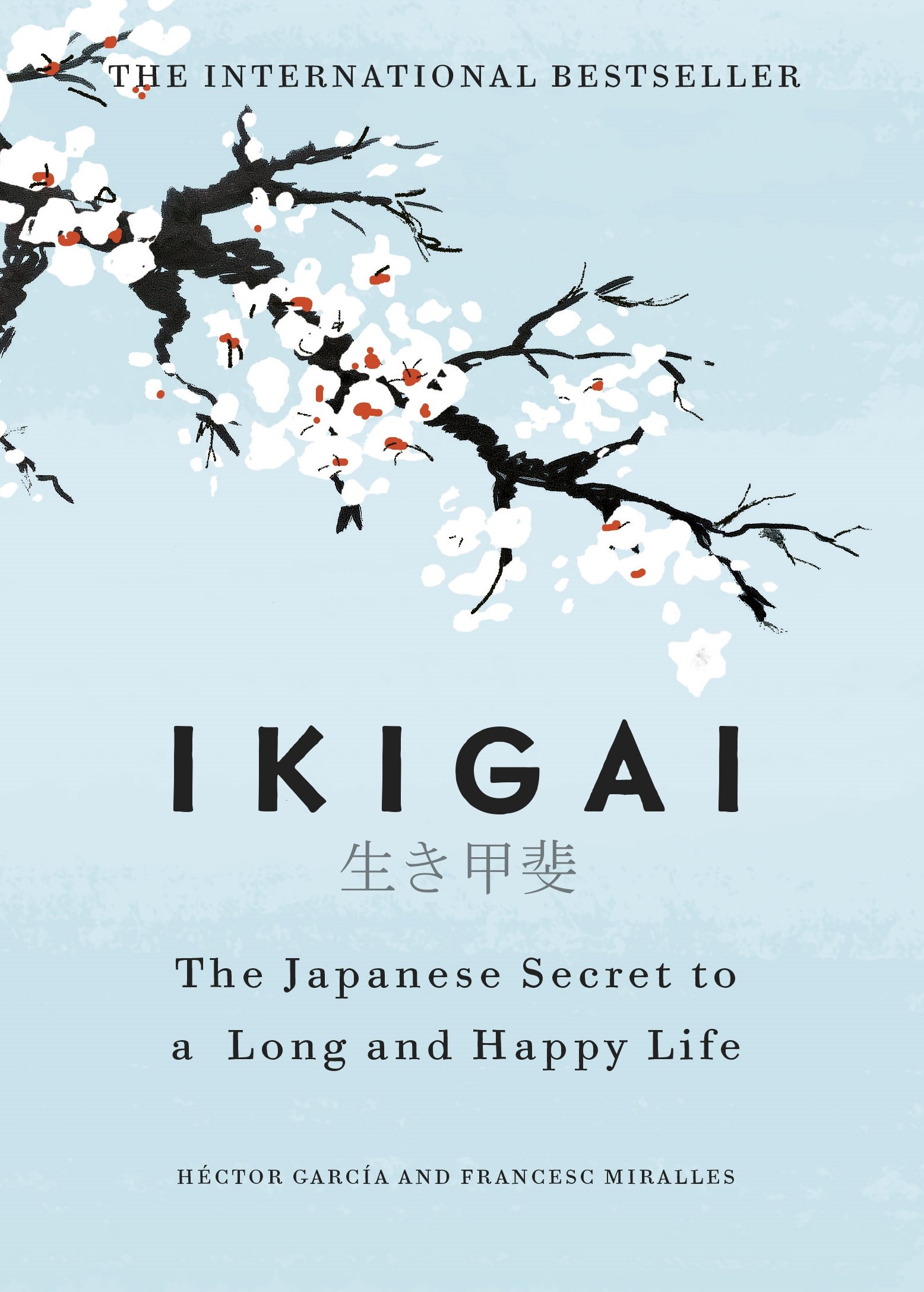
Ikigai
Ikigai is a Japanese concept that roughly translates to "reason for being" or "the happiness of always being busy." It represents a combination of four elements: what you love, what you are good at, what the world needs, and what you can be paid for. It is often depicted as a Venn diagram with overlapping circles.
The four components of Ikigai are:
Passion (What you love): This refers to the activities, interests, and hobbies that bring you joy and fulfillment. It involves identifying the things that you are truly passionate about and that ignite your enthusiasm.
Profession (What you can be paid for): This aspect relates to the skills, expertise, and competencies that you have developed over time. It involves finding work or a vocation where you can utilize your abilities and be rewarded financially.
Vocation (What the world needs): Vocation refers to the contribution you can make to the world and society. It involves identifying the needs, problems, or causes that resonate with you and finding ways to address them.
Mission (What you are good at): Mission relates to your sense of purpose and the meaningful impact you can have. It involves understanding your strengths, values, and personal goals and aligning them with a broader vision.
The idea behind Ikigai is that true fulfillment and happiness can be found at the intersection of these four elements. By pursuing activities and endeavors that encompass all aspects of Ikigai, individuals can lead a purposeful and satisfying life.
Ikigai encourages individuals to explore their passions, develop their skills, make a positive impact on the world, and find financial stability. It promotes a holistic approach to living, where work and personal aspirations are integrated, and individuals are motivated by a deep sense of purpose.
It's important to note that Ikigai is a personal journey, and finding one's Ikigai may require self-reflection, exploration, and sometimes making changes in various areas of life. It's not necessarily a single destination but rather an ongoing process of discovering and nurturing one's purpose and fulfillment.
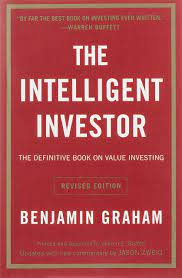
The Intelligent Investor
"The Intelligent Investor" is a highly regarded investment book written by Benjamin Graham, often considered the father of value investing. First published in 1949, the book provides timeless insights and principles for investing in the stock market.
Graham's investment philosophy centers around the concept of value investing, which involves buying stocks at a price below their intrinsic value and holding them for the long term. The book emphasizes the importance of fundamental analysis, financial discipline, and a margin of safety when making investment decisions.
Key concepts and principles covered in "The Intelligent Investor" include:
Mr. Market: Graham introduces the concept of "Mr. Market," an imaginary character who represents the stock market. Mr. Market's moods fluctuate, sometimes offering stocks at attractive prices and other times at inflated prices. Graham advises investors to take advantage of Mr. Market's irrational behavior by buying when prices are low and selling when they are high.
Margin of Safety: Graham stresses the importance of a margin of safety in investing. This means buying stocks at a significant discount to their intrinsic value to protect against downside risk. By purchasing stocks with a margin of safety, investors can minimize potential losses and increase their chances of long-term success.
Fundamental Analysis: The book emphasizes the need for thorough analysis of a company's financial statements, earnings, assets, and liabilities. Graham encourages investors to focus on the underlying value of a business rather than short-term market fluctuations.
Stock Selection: Graham differentiates between two approaches to stock selection: defensive (passive) and enterprising (active). Defensive investors are more risk-averse and opt for diversified portfolios of low-cost index funds or exchange-traded funds (ETFs). Enterprising investors are more active and seek out undervalued individual stocks through in-depth analysis.
Market Fluctuations: Graham highlights the importance of understanding and managing emotions during market fluctuations. He advises against speculative behavior and timing the market, instead advocating for a disciplined, long-term investment approach.
"The Intelligent Investor" has had a significant influence on many successful investors, including Warren Buffett, who considered Graham his mentor. The book promotes a conservative and disciplined approach to investing, focusing on long-term wealth creation and risk management.
It's worth noting that "The Intelligent Investor" was written several decades ago, and while the core principles remain relevant, the investing landscape has evolved since then. Investors should consider additional sources of information and adapt their strategies to current market conditions and advancements in financial analysis.
About the Creator
Enjoyed the story? Support the Creator.
Subscribe for free to receive all their stories in your feed.
Comments
There are no comments for this story
Be the first to respond and start the conversation.